Hyundai Motor Group’s Chung Euisun Drives Innovation: EV Strategy, Robotics, and Global Collaboration Unveiled at Revamped HQ
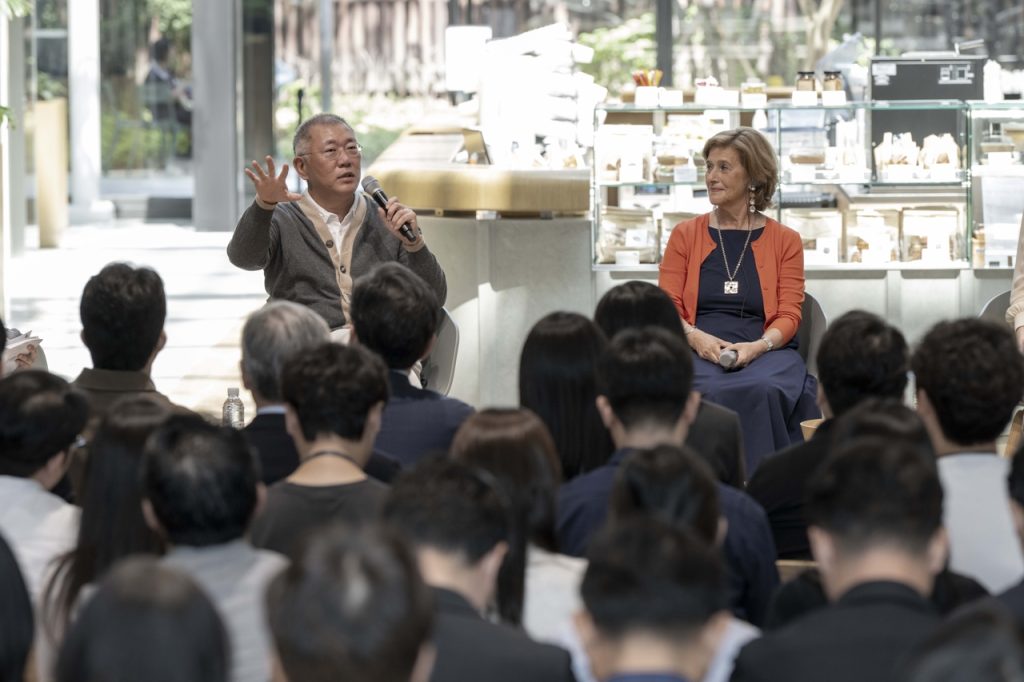
Hyundai Motor Group Executive Chair Chung Euisun recently emphasized communication and collaboration as crucial catalysts for innovation, marking the grand unveiling of the auto giant’s significantly renovated global headquarters in Yangjae, southern Seoul. This strategic transformation aims to redefine the company’s future in the competitive automotive landscape.
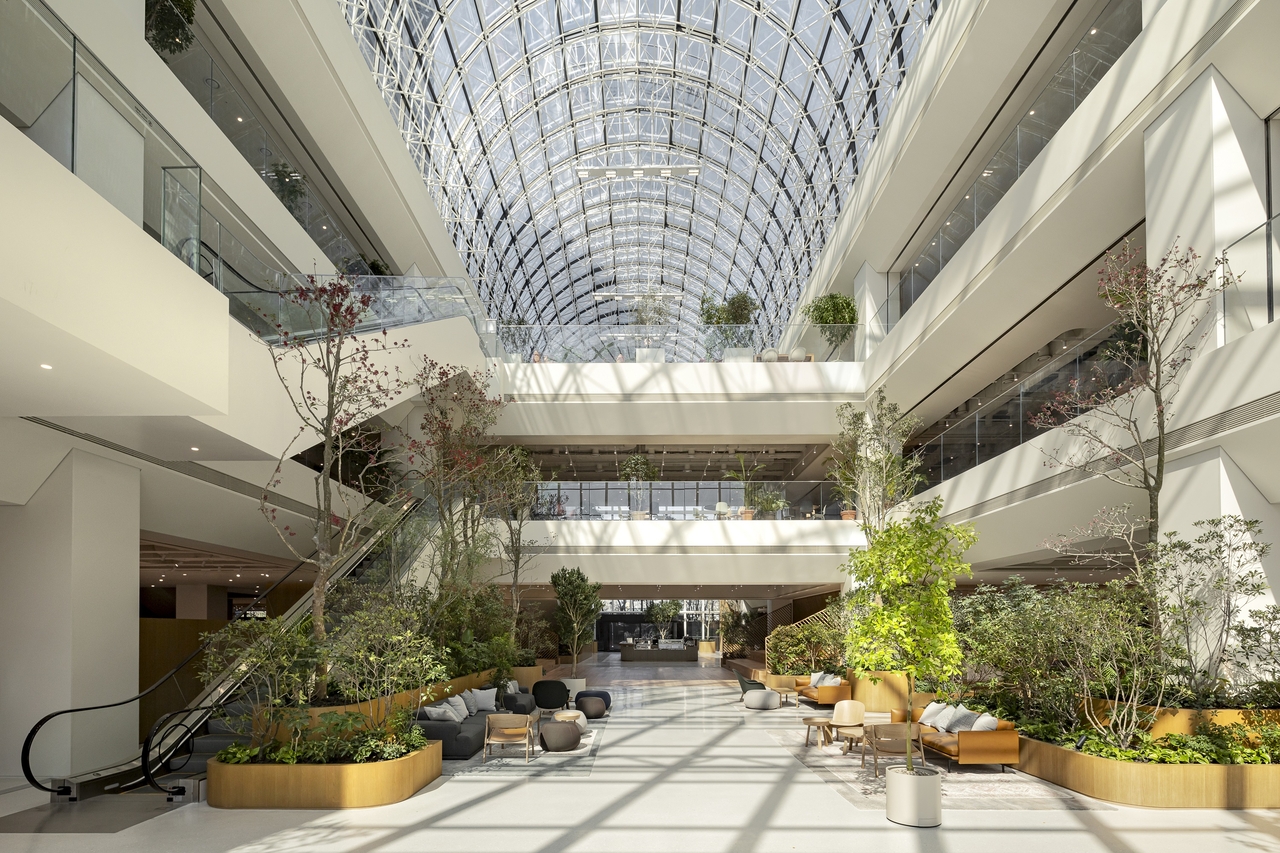
Addressing a pivotal company town hall meeting celebrating the extensive revamp, Chung detailed the new headquarters’ lobby as an expansive, open-concept environment specifically engineered to foster dynamic interaction among employees, facilitate the free exchange of innovative ideas, and cultivate a highly agile working culture. This significant event brought together Hyundai’s top executives and dedicated workforce.
Chung articulated that the core motivation underpinning this ambitious lobby transformation was to forge an environment where “communication can flourish more freely and comfortably than ever before,” directly supporting Hyundai’s innovation goals.
“Envisioning a space where both office professionals and engineers can collaborate effectively, we recognize the multitude of collaboration forms,” Chung stated. “Our paramount objective was determining how Hyundai Motor Group could optimally support this essential communication by meticulously crafting the ideal physical environment within our upgraded headquarters.”
He further elaborated that enhanced face-to-face meetings, robust idea exchange, and the cultivation of mutual understanding are fundamental to refining Hyundai’s product offerings and ultimately delivering superior value to its global customer base.
“The significance of face-to-face communication remains paramount,” Chung asserted. “Irrespective of global technological advancements, genuine human interaction will not diminish; rather, it will become increasingly vital for fostering innovation and strong company culture.”
The extensively renovated Hyundai headquarters lobby officially reopened in March, concluding a year and 11 months of meticulous construction. This impressive transformation now encompasses approximately 36,000 square meters – an area comparable to five soccer fields – sprawling from the basement level up to the fourth floor, signifying Hyundai’s commitment to cutting-edge corporate infrastructure.
At its heart, the renovated space features a distinctive stepped lounge christened Agora, drawing inspiration from the historic public squares of ancient Greece. This innovative central hub seamlessly connects to modern meeting lounges, dynamic exhibition areas, contemporary cafes, and tranquil gardens, all strategically designed to profoundly encourage organic interaction and cross-functional collaboration among Hyundai employees.
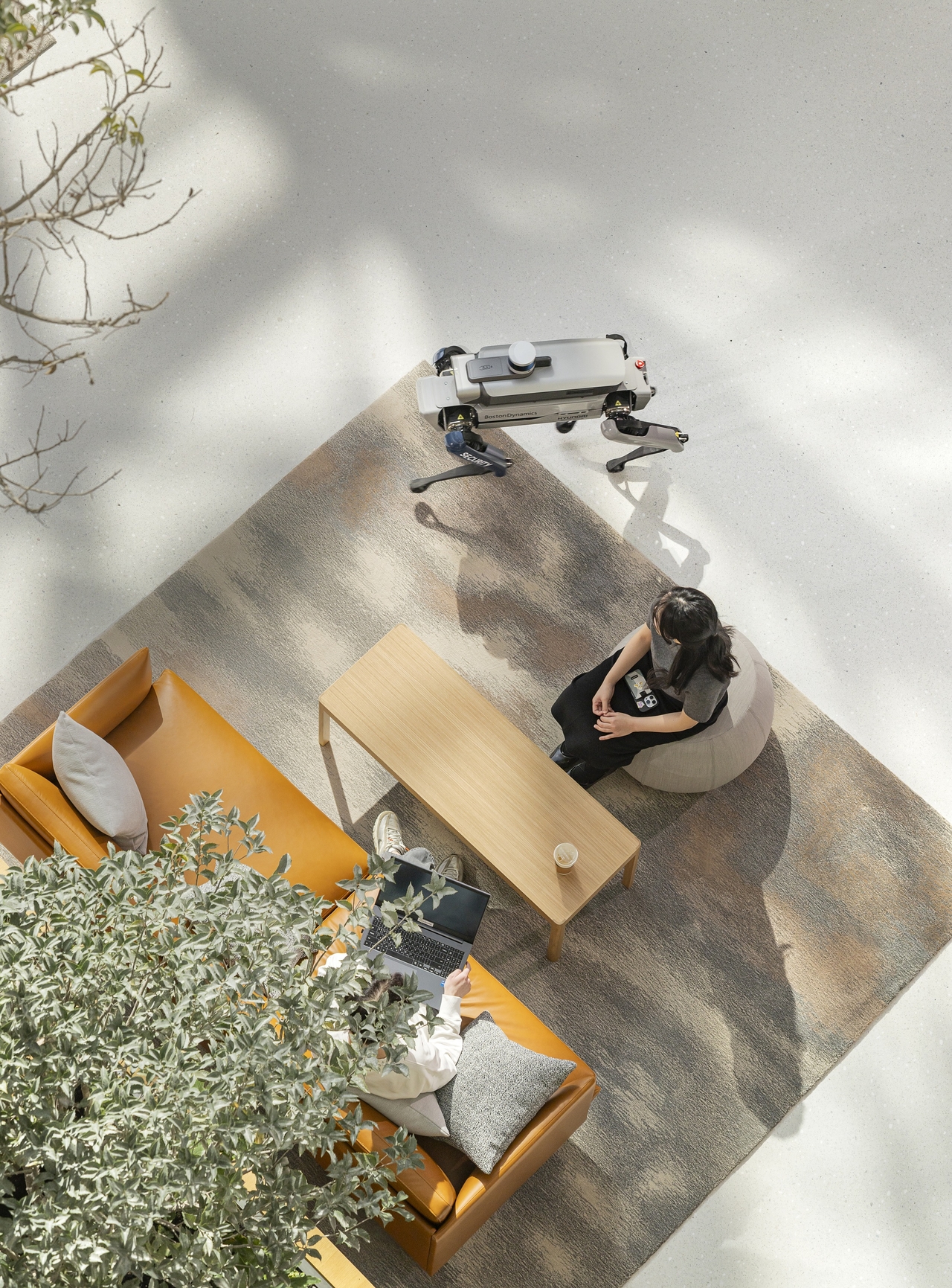
Further underscoring its commitment to future mobility, Hyundai Motor Group has seamlessly integrated advanced robotics technology throughout its revamped headquarters. This deployment is a tangible demonstration of the group’s aggressive push into physical AI and state-of-the-art robotics solutions. A sophisticated fleet of service robots, featuring Hyundai’s DAL-e Delivery and DAL-e Gardner, alongside Boston Dynamics’ renowned Spot robot, are actively engaged in diverse roles from efficient deliveries and plant care to advanced security patrols, showcasing the practical application of AI in the modern workplace.
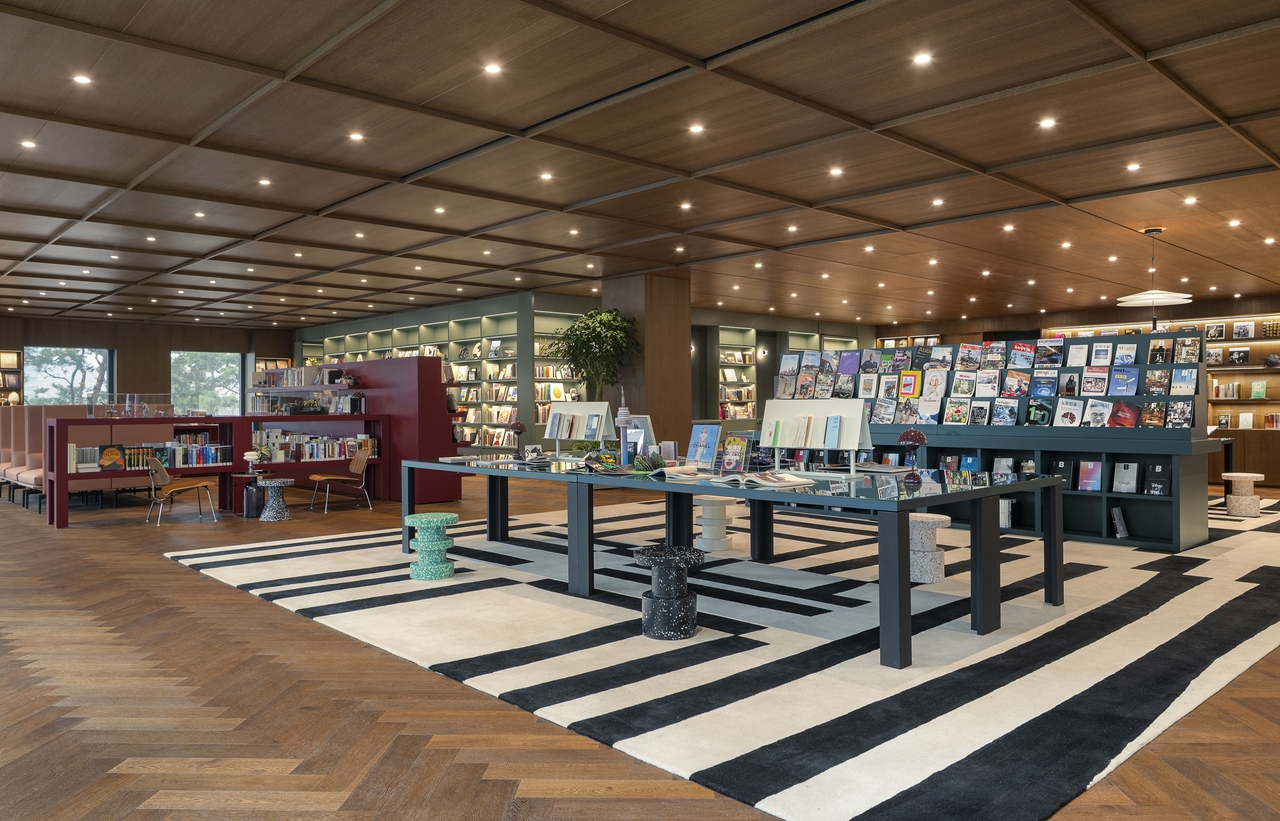
Beyond collaborative spaces and robotics, the comprehensively renovated Hyundai complex also boasts significantly expanded meeting rooms, a meticulously redesigned in-house library conceptualized in partnership with Japan’s CCC (operators of Tsutaya Bookstore), a cutting-edge learning center, comprehensive fitness facilities, and serene outdoor gardens, all contributing to a holistic and inspiring work environment.
Prior to the landmark town hall event, Executive Chair Chung Euisun engaged with reporters, delving into a comprehensive array of critical topics. Discussions spanned the intensifying global Electric Vehicle (EV) competition, Hyundai’s advancements in autonomous driving technology, and the broader implications of current geopolitical risks on the automotive industry.
Addressing the escalating global popularity of leading EV manufacturers like Tesla and BYD, Chung characterized the dynamic landscape as a pivotal “important opportunity” for Hyundai Motor Group. He articulated the group’s strategic objective: “Our unwavering goal is to meticulously learn from these trends, absorb as much knowledge as possible, and consequently develop innovative EV products and features that will resonate even more deeply with our discerning customers.”
“Every company globally presents valuable learning opportunities,” he further asserted. “While we acknowledge the significant competitive tension within the EV market, we simultaneously view this environment as a robust opportunity, fostering a sense of gratitude for the impetus it provides towards continuous innovation.”
Reflecting specifically on the recent Auto China 2026 exhibition in Beijing, Chung conveyed that he “gained profound insights.” He particularly lauded the remarkable speed and agility of China’s burgeoning EV ecosystem and the fervent interest of Chinese consumers in cutting-edge automotive technology, highlighting its global impact.
“The pace of innovation in China is notably accelerating beyond ours,” he observed, attributing this rapid progress to robust government support and an unparalleled drive for innovation within the country’s automotive sector. “This experience reaffirmed the critical importance of not only moving swiftly but also with unwavering accuracy in our strategic developments,” Chung emphasized.
Addressing Hyundai Motor Group’s pioneering development of the advanced humanoid robot Atlas, in collaboration with Boston Dynamics, Chung acknowledged the iterative nature of innovation. He stated that the company is progressing through a systematic process of trial and error. “Achieving a harmonious balance between sophisticated software and robust hardware is paramount,” he noted, “alongside the critical task of seamlessly integrating employees from diverse mindsets and cultural backgrounds into our robotics development teams.”
Regarding the crucial field of autonomous driving technology, Chung Euisun unequivocally affirmed Hyundai’s steadfast commitment to prioritizing safety above all else. This strategic stance remains firm, even amidst the aggressive and rapidly evolving competitive landscape presented by global players such as China, Tesla, and Waymo.
“While technological disparities can ultimately be bridged, safety remains our utmost priority,” Chung declared. “Even if it means a slightly more deliberate pace, our strategic plan is to significantly heighten our focus and investment in ensuring unparalleled safety across all our autonomous driving solutions.”
Chung additionally expressed significant concerns regarding the escalating geopolitical tensions within the Middle East region. He indicated that the ongoing conflicts could potentially delay Hyundai’s critical Saudi Arabian manufacturing plant project, which is currently targeted for a fourth-quarter opening.
“Our strategic plant construction in Saudi Arabia faces potential delays,” he confirmed, adding that “sales across the Middle East market have also experienced a notable decline.” Chung concluded, “While conflicts eventually resolve, our imperative is to meticulously prepare our operations to ensure effective sales and market re-engagement once regional stability is fully restored.”
sahn