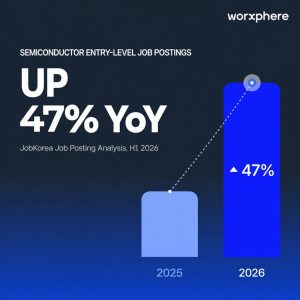
South Korea’s economy is now forecast to grow a robust 2.5 percent in 2026, driven by an impressive surge in the semiconductor industry and a significant rebound in domestic consumption, according to a recent report from a prominent state-run think tank.
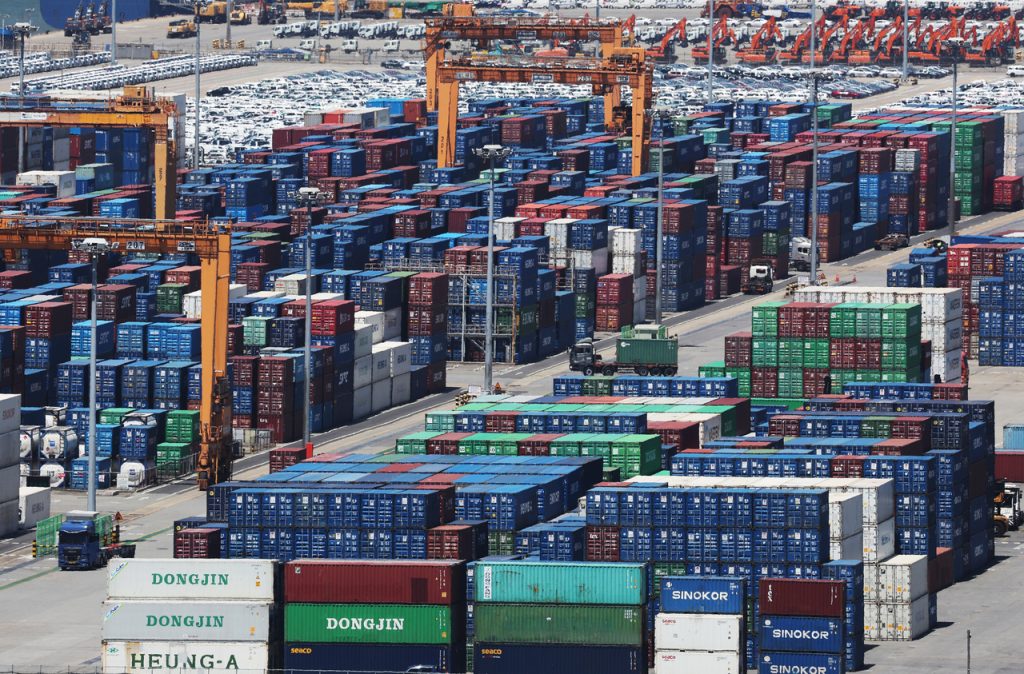
The Korea Development Institute (KDI) has notably revised its 2026 economic growth forecast upwards from 1.9 percent, initially projected in February. This optimistic revision underscores South Korea’s sustained solid export performance, predominantly fueled by its powerful semiconductor sector, even amidst a challenging global business environment, particularly concerning Washington’s tariff policies.
Furthermore, the KDI anticipates domestic consumption to climb by 2.2 percent in 2026, significantly bolstered by the government’s strategic subsidy policies, then moderating to a still positive 1.5 percent increase in 2027.
Facility investment, a crucial indicator, is also forecast for substantial growth, expanding by 3.3 percent in 2026 and 2.4 percent in 2027, primarily propelled by the ongoing boom in the semiconductor industry.
Regarding inflation, consumer prices are projected to rise by 2.7 percent in 2026, mainly attributed to elevated crude oil prices, before easing to a more stable 2.2 percent in the subsequent year.
Overall, the KDI projects the South Korean economy to continue its expansion into 2027, with a growth rate of 1.7 percent.
The think tank highlighted that South Korea’s economic growth trajectory could accelerate even further if domestic chipmakers expediently expand their production capacity to meet global demand.
As the report emphasized, “Amid the sharp rise in demand for semiconductors, improvements in the country’s semiconductor production capacity could lead to stronger economic growth.”
Conversely, potential risks such as a prolonged crisis in the Middle East could significantly elevate production costs and consequently dampen overall economic growth.