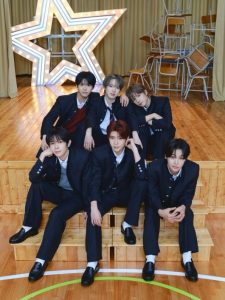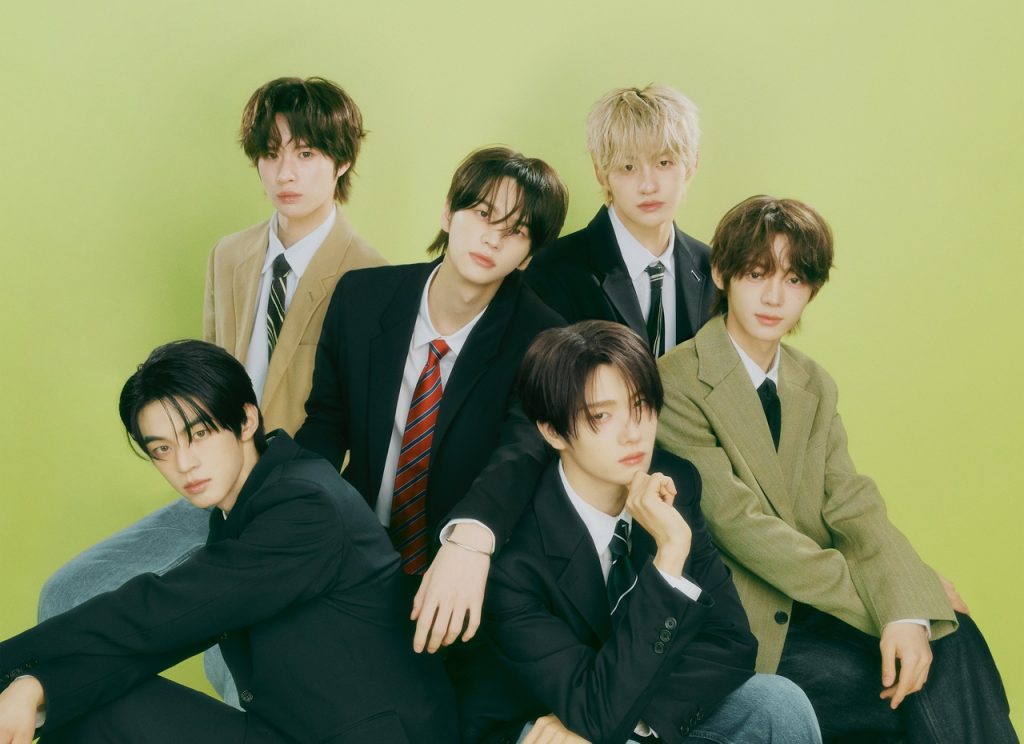
In the burgeoning K-pop scene, youth concepts are emerging as a dominant trend among boy groups, offering both emotional resonance and an accessible sound.
An increasing number of rookie K-pop boy groups are wholeheartedly embracing concepts of youthfulness, marking a notable shift from the more intense, powerful styles often associated with earlier generations of K-pop acts.
Often described as refreshing, this youth-driven concept emphasizes bright, emotionally sincere imagery and boyish innocence expressed through both music and visuals.
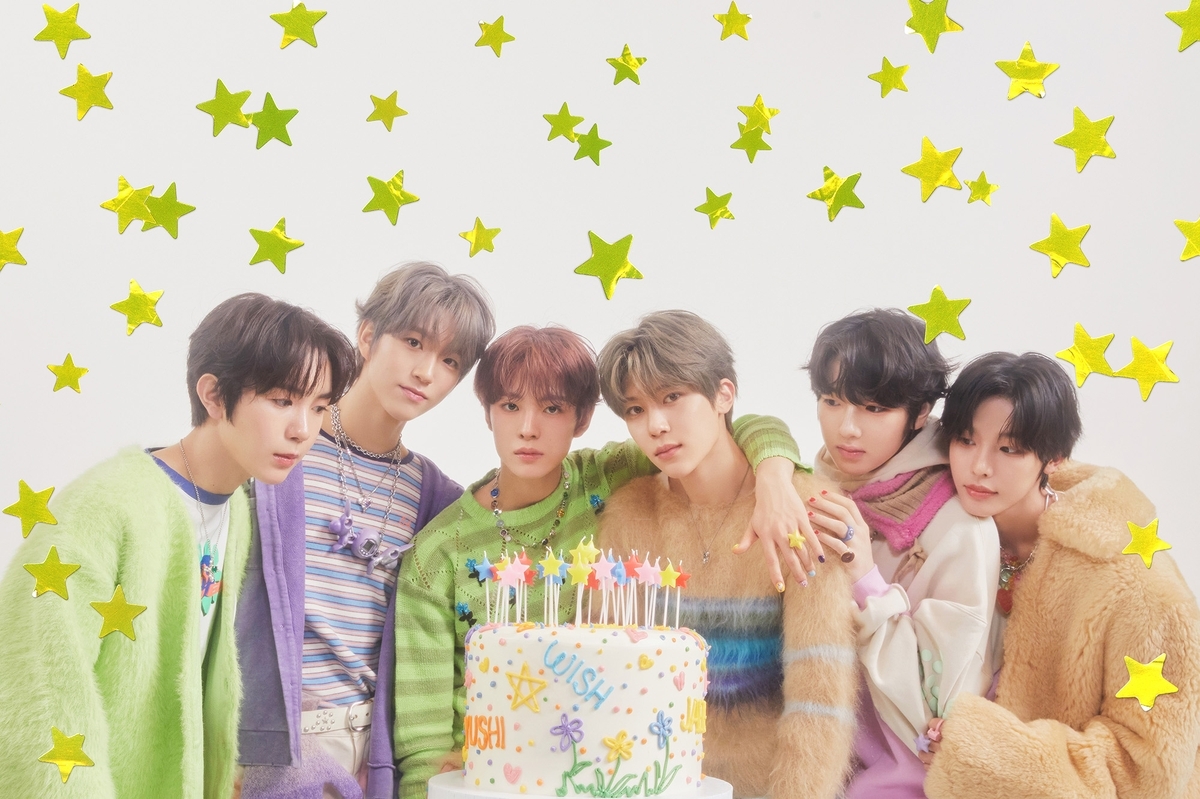
Notable examples include K-pop groups TWS and NCT Wish, both of whom have built their identities around youth-centric storytelling and approachable aesthetics.
TWS, for instance, has rapidly gained popularity through its compelling portrayal of youth and coming-of-age narratives. Since their January 2024 debut, the boy group has meticulously crafted a cohesive storyline revolving around school life – from the thrill of new beginnings in their debut EP “Sparkling Blue” to summer friendships in “Summer Beat!” and heartfelt graduation themes in “Last Bell.”
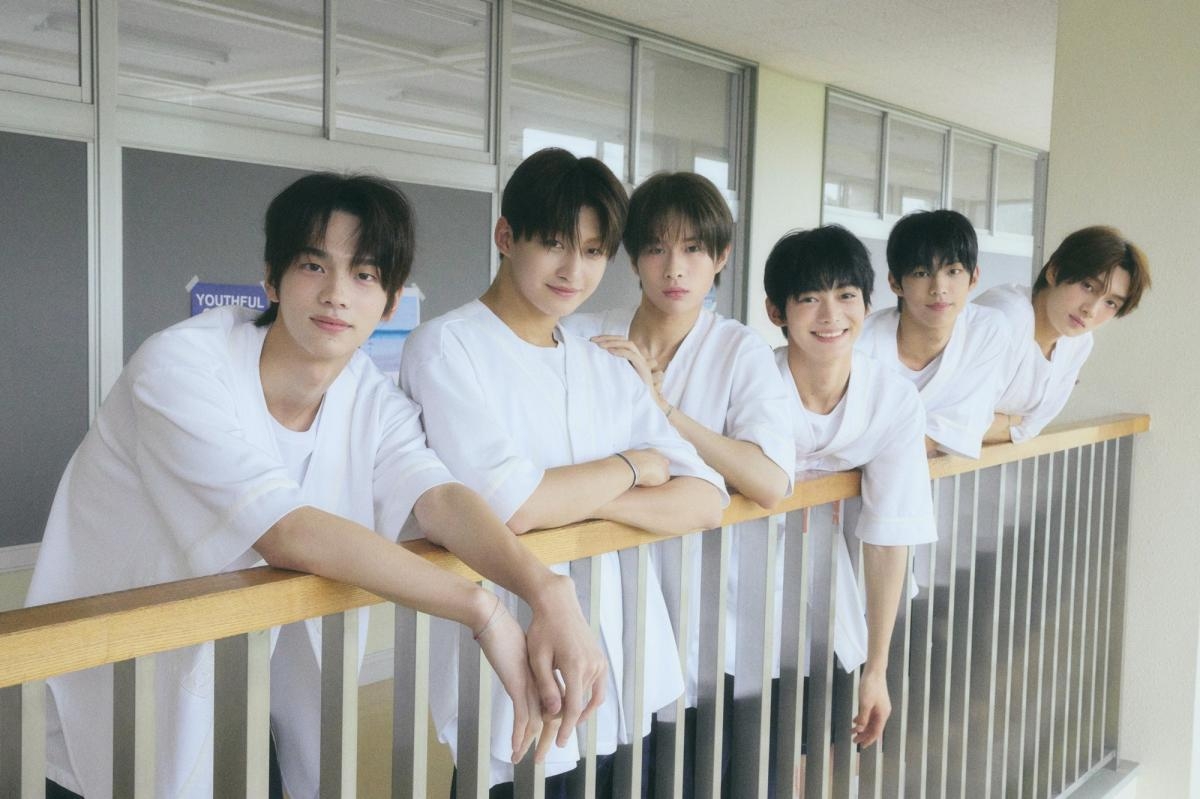
The K-pop group continued this narrative arc in 2025 with “Try With Us,” which explored life as young adults after graduation, and “Play Hard,” which expanded its image to reflect a more passionate and driven form of youth. Its latest release, “No Tragedy,” captures the intensity and determination of pursuing love. The album topped charts on its release day and recorded over 830,000 copies in first-day sales, marking a new career high for TWS.
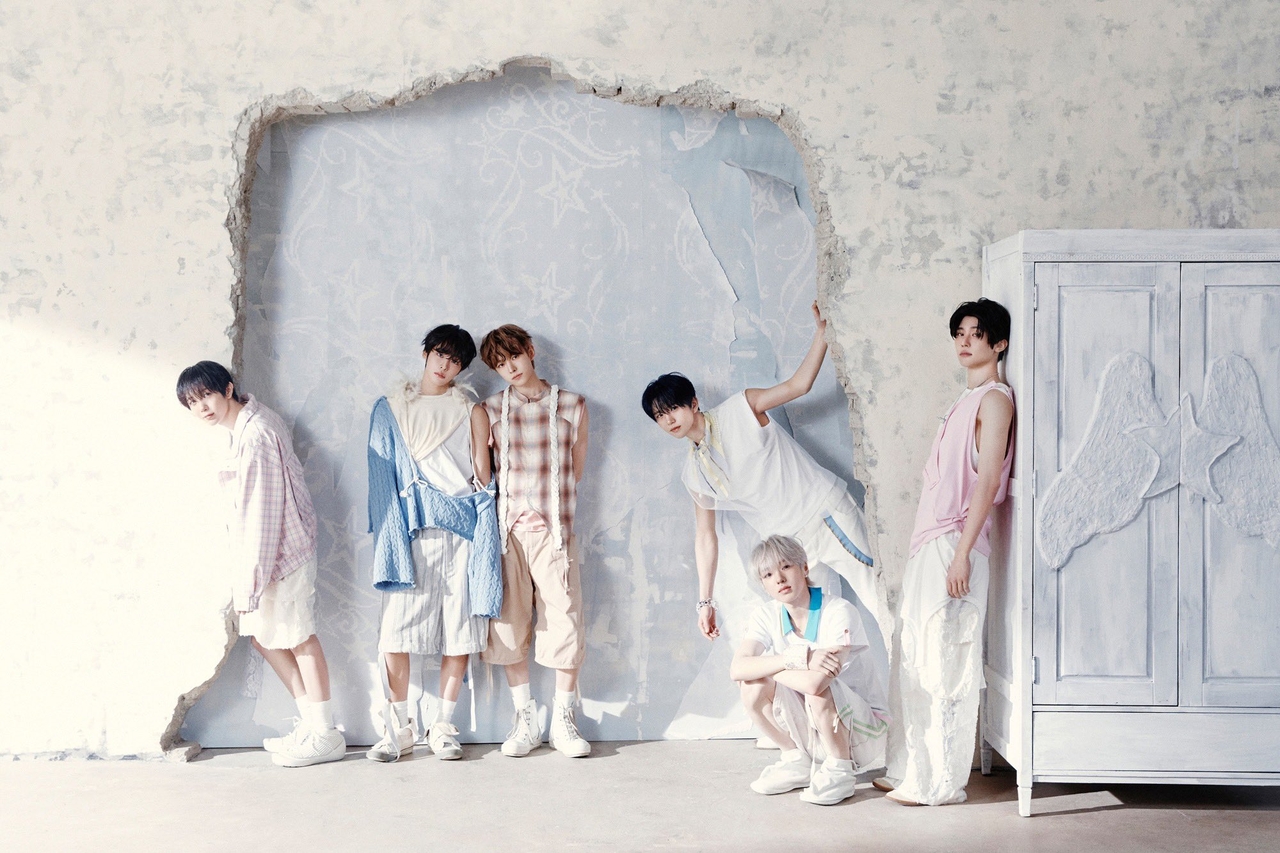
NCT Wish, meanwhile, has carved out a unique niche within this conceptual space, offering a slightly different interpretation of youth. This K-pop boy group stands as a rarity within SM Entertainment’s roster, which has historically leaned towards more robust, masculine concepts. Through bold, often feminine styling and recurring motifs like wings and stars, NCT Wish has cultivated a distinctly soft, dreamy aesthetic, affectionately dubbed “Wish-core” by their growing fanbase.
Their commitment to embracing this identity has set them apart even within the broader NCT brand, which has historically leaned toward more intense and experimental concepts. The group recently surpassed 1.82 million in first-week sales for its first album, “Ode to Love,” marking a career high.
Industry experts point to two key reasons behind the growing popularity of such youthful K-pop concepts: nostalgia and relatability.
“The image of youth highlights a sense of excitement and innocence that can only exist at a certain stage of life,” explained culture critic Kim Heon-sik, adding that the appeal lies in “nostalgia and emotional comfort.”
“While younger fans may relate directly to the image being portrayed, many fans in their 20s and 30s are drawn to it because it offers a sense of healing and nostalgia.”
This sentiment is echoed by fans. Lee Da-yeon, a 33-year-old fan of TWS, told The Korea Herald that watching TWS reminds her of her own school days.
“TWS brings back memories of a time when everything felt possible — when I was a little unsure of myself, but still innocent and pure,” said Lee. “Of course, I like their music and visuals but I find that their songs also give me a new form of energy.”
Furthermore, this trend aligns with a broader industry shift towards easy listening music and wider public appeal, as audiences increasingly move away from the overly complex, lore-heavy concepts that previously dominated much of K-pop.
“Groups with intricate fictional universes and concepts that match them are becoming less effective as a marketing tactic,” music critic Lim Hee-yun told The Korea Herald. “Instead, concepts that are easy to understand at a glance, paired with accessible melodies and relatable lyrics, are gaining traction within the K-pop landscape.”
Despite its current popularity, the youthful K-pop concept has limitations: a group’s strong association with youth is difficult to sustain effectively over time.
As K-pop group members age, maintaining a purely youthful image can create a disconnect for fans. Groups like Tomorrow X Together, Cravity and NCT Dream — all of which previously leaned heavily into youthful concepts — have gradually evolved their images to reflect more mature identities and narratives.
Kim suggests that careful storytelling, as seen in TWS’ coming-of-age narrative, can help ease such transitions for K-pop groups.
“If a group is strongly identified with a certain image, a sudden shift to a different one can be difficult for fans to accept,” said Kim. “Gradual changes and developments to the group’s concept, supported by narrative development, can help make that transition feel natural.”