
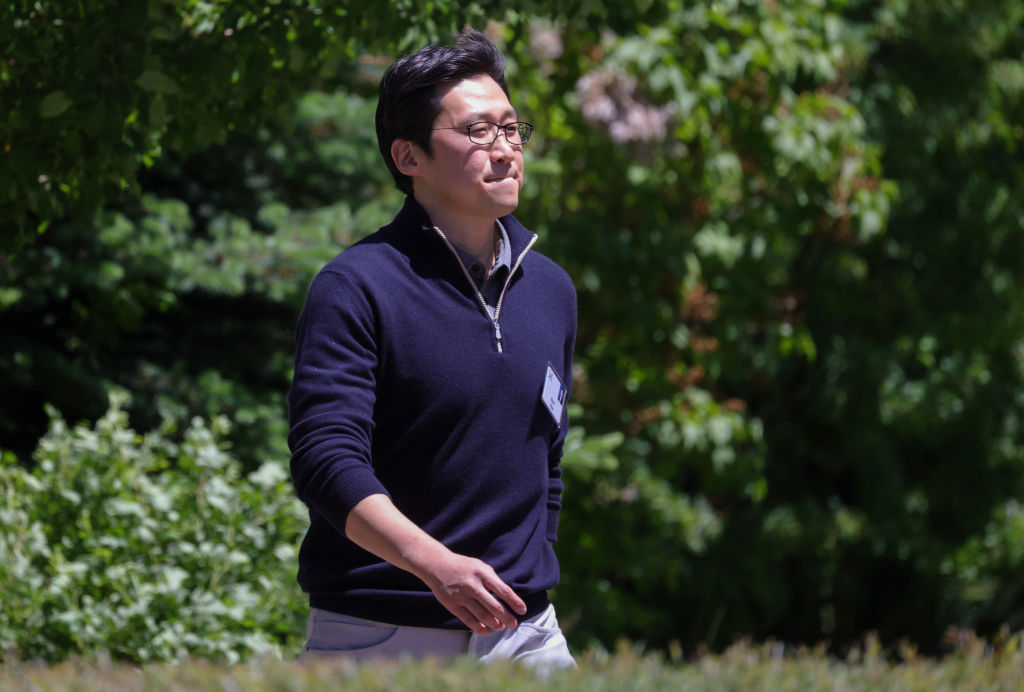
South Korea FTC Designates Coupang Founder Bom Kim as Controlling Figure, Intensifying Regulatory Scrutiny
South Korea’s antitrust regulator, the Fair Trade Commission (FTC), officially designated Coupang founder Bom Kim (Kim Bom-suk) as the group’s “controlling figure” on Wednesday. This landmark decision significantly escalates regulatory scrutiny on Kim and his family, particularly concerning family ties, related-party transactions, and overseas affiliates. The move comes amidst diplomatic pressure from the United States regarding alleged discriminatory practices against the US-listed e-commerce giant.
This crucial change replaces Coupang Inc. with Bom Kim as the designated “same person” for the group under South Korean antitrust law. This reclassification mandates broader disclosure requirements and enforces stricter rules on related-party transactions. In essence, the “same person” designation identifies the group’s ultimate effective controller, forming the legal foundation for monitoring and preventing potential self-dealing practices.
Previously, for five years since 2021, regulators had maintained Coupang’s corporate designation, asserting a lack of evidence regarding family involvement in the company’s control. However, renewed scrutiny was sparked by an investigation following a major data breach impacting approximately 33.7 million users. During this probe, clear signs emerged of significant managerial involvement by Kim Yoo-seok, Coupang’s Vice President and the founder’s younger brother.
“We confirmed that Kim Yoo-seok exercised de facto influence over key business operations,” an FTC official stated during a media briefing on Wednesday. The official elaborated that Kim Yoo-seok occupied a high position within Coupang’s corporate hierarchy, received executive-level compensation and substantial perks, and presided over hundreds of critical meetings concerning logistics and delivery policy, demonstrating his pivotal role.
In terms of financial remuneration, Kim Yoo-seok received approximately 3 billion won (equivalent to $2 million USD) in salary last year. Additionally, between 2021 and 2024, his total compensation, including stock incentives, amounted to roughly $1.53 million, underscoring his executive status and influence.
This FTC decision imposes significantly heavier obligations on Bom Kim and his extended family. These new requirements include the mandatory disclosure of all overseas affiliates where they hold a qualifying stake. Furthermore, the ruling strictly prohibits any transactions designed to confer undue benefits upon related parties. An official clarified, “Overseas affiliates in which Kim Bom-suk holds a 20 percent or greater stake will be immediately subject to comprehensive disclosure requirements.”
Coupang promptly disputed the FTC’s designation, asserting that its transparent ownership structure inherently prevents self-dealing. The e-commerce giant also argued that its listing on a US stock exchange already subjects it to stringent oversight and robust disclosure regulations mandated by the US Securities and Exchange Commission (SEC), rendering additional Korean regulations redundant.
Coupang further clarified its position, stating, “Kim’s brother is not classified as an executive under existing Korean antitrust law and possesses no equity holdings in domestic affiliates.” The company also announced its intention to formally challenge the FTC’s decision through administrative litigation, signaling a prolonged legal battle.
This contentious decision threatens to exacerbate an already tense diplomatic standoff between Seoul and Washington. The United States has voiced concerns over alleged discriminatory regulatory actions targeting Coupang, a significant US-listed entity. Notably, Coupang itself has invested over $1 million in US lobbying efforts during the first quarter of this year, engaging directly with the White House and Congress to advocate for its interests.
Just last week, US lawmakers escalated these concerns, characterizing regulatory actions against Coupang and other American-linked technology firms as discriminatory treatment. This sentiment was conveyed in a formal letter addressed to South Korean Ambassador to the US, Kang Kyung-wha, highlighting growing bilateral friction.
The impactful letter, authored by 54 Republican lawmakers from the influential Republican Study Committee, issued a stark warning against the “systematic targeting of American companies.” It specifically named major tech players like Apple, Google, Meta, and Coupang, underscoring Coupang’s critical role as a primary conduit for US investment and exports into the South Korean market.
The letter further detailed Coupang’s economic significance, stating, “Coupang has consistently been the largest source of US foreign direct investment into Korea over the past decade. Furthermore, it annually facilitates the sale of billions of dollars in US goods and agricultural products to Korean consumers,” emphasizing its substantial contribution to bilateral trade.
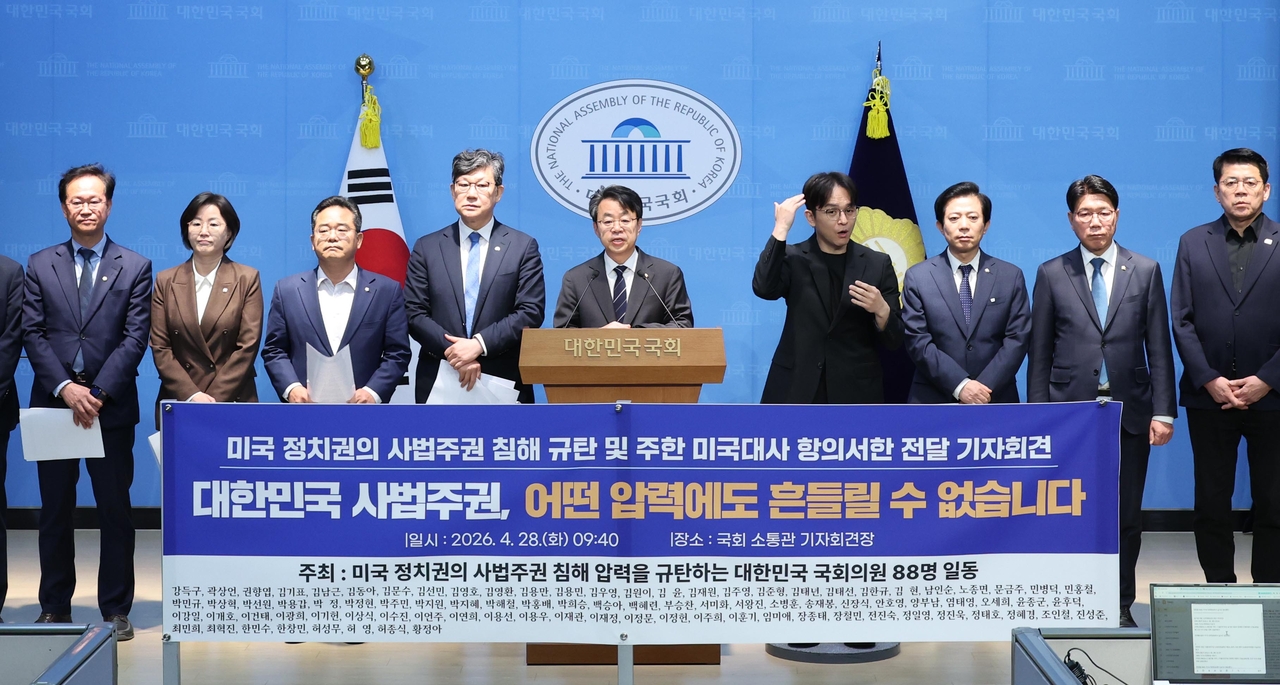
In a direct counter-response, 90 South Korean liberal lawmakers addressed the US Congress in a letter on Tuesday, urging respect for South Korea’s judicial sovereignty. Their correspondence explicitly countered claims of discriminatory treatment in the ongoing investigation into Coupang, asserting, “No individual or corporation can stand above or outside its legal system,” thereby defending their nation’s regulatory authority.
Critics caution that this new regulatory framework could significantly undermine predictability for businesses and potentially deter future foreign investment in South Korea. The Center for Free Enterprise, a prominent local think tank, notably described the “same person” system as an anachronism. They argued it is deeply rooted in outdated ownership structures from the 1980s and 1990s, making it fundamentally ill-suited for the complexities of modern, globally integrated corporations like Coupang.
The potential investor fallout from this decision could be far-reaching, possibly implicating additional major Coupang investors like Greenoaks and Altimeter Capital. These firms have already initiated investor-state dispute settlement proceedings against the Korean government in January, citing concerns stemming from the aforementioned data breach. Reflecting market anxieties, Coupang’s stock closed at approximately $20 on Tuesday, representing a substantial decline of roughly 30 percent since the data breach disclosure.
Concurrently, on the same day as the Coupang designation, the FTC also undertook a broader reshuffling of “same person” designations across various other South Korean conglomerates, indicating a comprehensive regulatory review.
Among these, Dunamu, which had been approved for corporate designation alongside Coupang under the revised 2024 rules, successfully continued to meet the established criteria and thus retained its status. In another notable change, Jungheung Construction saw a shift in control to Jung Won-ju, a transition prompted by the passing of its founder, Jung Chang-sun.
Overall, the total number of officially designated business groups in South Korea increased to 102, encompassing 3,538 affiliates. This marks a significant rise from 92 groups and 3,301 affiliates recorded just a year prior. New prominent entrants to this list include Kolmar Korea, the fintech platform Toss, and the food conglomerate Orion.


