Hyundai’s ‘In China, For China’ Strategy Powers New Ioniq EV Lineup in China
Hyundai Motor is embarking on its most ambitious strategy in years to reclaim market share among Chinese consumers, placing a significant bet on its new China-tailored Ioniq electric vehicle (EV) lineup to drive a robust comeback in the world’s largest and most competitive automotive market.
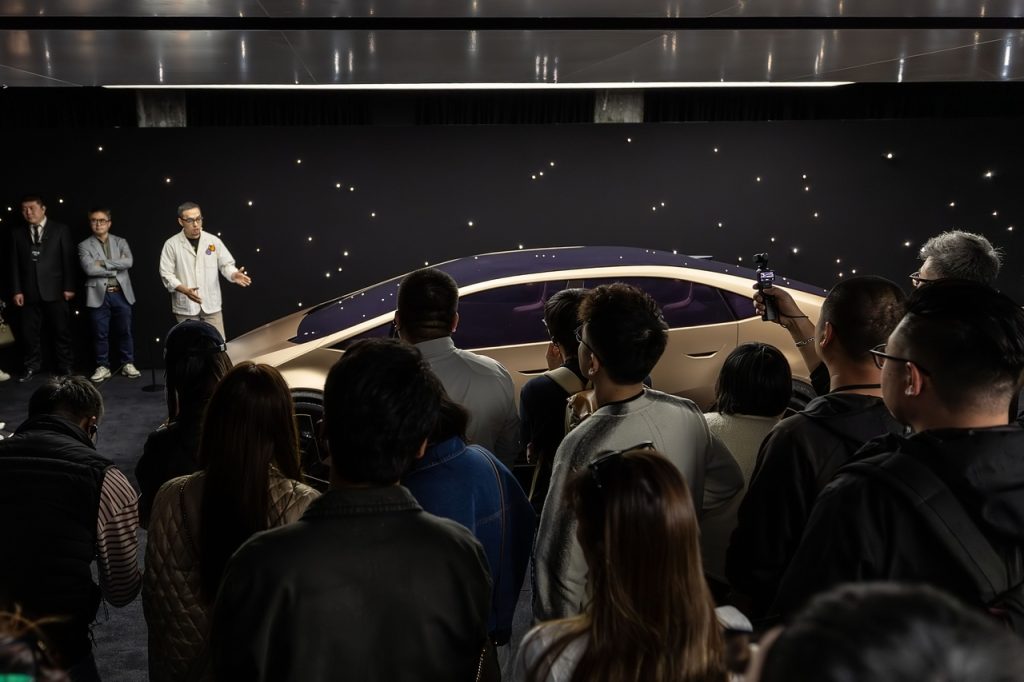
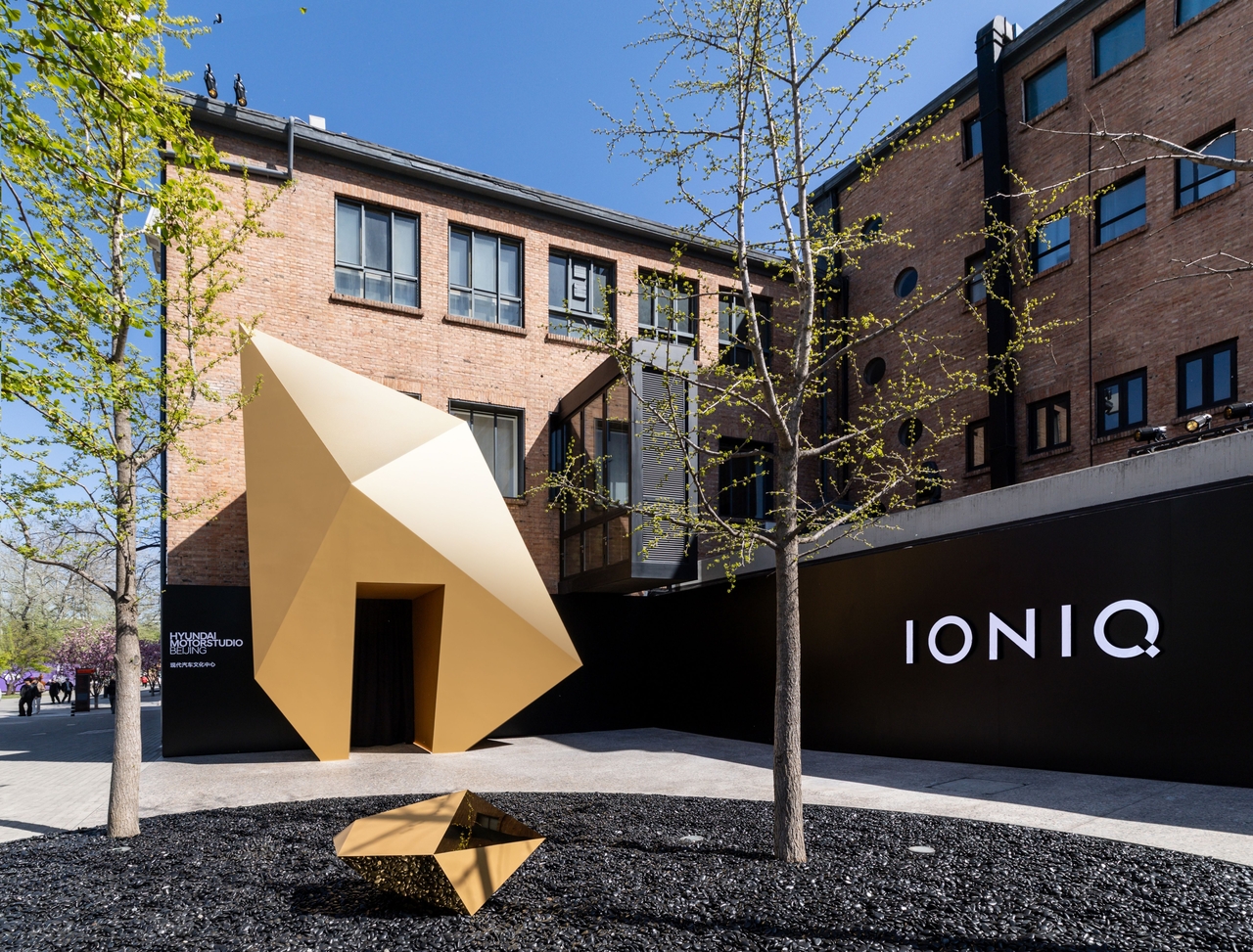
Just last week, Hyundai officially launched its flagship EV brand, Ioniq, in the Chinese market. The event saw the unveiling of two innovative concept cars: the Ioniq Venus sedan and the Ioniq Earth sport utility vehicle. Hyundai is now poised to roll out a comprehensive electrification strategy, with the highly anticipated debut of its mass-production Ioniq model scheduled for later this month at Auto China 2026, which runs from April 24 to May 3.
“The newly introduced Ioniq brand in China is designed to evolve beyond a traditional product lineup, transforming into a broader mobility ecosystem,” the company stated in a recent press release. “While leveraging our strong global experience, Ioniq has been meticulously shaped specifically for the Chinese market, integrating advanced local technologies and strategic partnerships with Hyundai’s renowned standards of safety and quality.”
Li Fenggang, president of Beijing Hyundai Motor — the joint venture between Hyundai and BAIC Motor — affirmed that, starting with these two concept cars, Hyundai is committed to continuously introducing products that “reflect deep insight into Chinese customer preferences and our genuine commitment to this crucial market.”
Li’s appointment as the head of Hyundai’s Chinese operations in November was widely interpreted as a clear signal of this renewed focus. By naming a Chinese national to lead the joint venture for the first time in its 23-year history, Hyundai underscored its dedication to deeper localization and empowering local leadership with greater strategic authority within one of the world’s most fiercely competitive automotive landscapes.
With this invigorated EV push, Hyundai is strategically betting it can recapture its former prominence in China, a market that was once counted among the carmaker’s most lucrative and vital regions.
Why Hyundai Remains Committed to the Chinese Market
Between 2010 and 2016, Hyundai consistently sold over 1 million cars annually in China, reaching an impressive peak of 1.1 million units in 2016. During this period, China stood as the carmaker’s largest global market, even surpassing its home market of South Korea. However, Hyundai’s fortunes dramatically shifted following a diplomatic dispute between Seoul and Beijing concerning the 2017 deployment of THAAD, an advanced US anti-missile system, in Korea.
Annual sales plummeted by 30 percent to 785,000 units in 2017 and continued to decline, falling to approximately 440,000 units by 2020. The downturn has yet to stabilize; by 2025, annual sales had dwindled to roughly 130,000 units, leaving Hyundai with less than 1 percent of the total market share.
This decline was further accelerated by China’s aggressive push into electric vehicles, which fueled the rapid growth of homegrown brands and steadily eroded market share from established foreign automakers. Chinese brands, spearheaded by industry leaders like BYD and Geely, now command nearly 70 percent of China’s vast auto market, which sees over 34 million units sold annually.
While many global automakers struggle to compete with local EV manufacturers — who benefit from substantial state subsidies, attractive tax incentives, and a robust local battery supply chain driving down prices — some have chosen to reduce investments or withdraw entirely from the Chinese market. Hyundai, however, is taking a contrasting approach, doubling down on the market with its strategic “In China, For China, To Global” initiative.
“Hyundai cannot afford to abandon China, despite the market becoming considerably more challenging,” commented Kim Pil-su, an automotive engineering professor at Daelim University.
Professor Kim explained that even a marginal 0.5 percentage point gain in China could translate to over 1 million additional vehicle sales. “That underscores why it remains such a profoundly critical market, and why Hyundai believes that, with effective execution, it still has a significant opportunity.”
Hyundai Motor CEO Jose Munoz outlined in a March shareholder letter that the carmaker plans to launch 20 new models over the next five years, with a strategic goal of achieving 500,000 annual sales in China.
Hyundai Embraces Chinese Design and Technology Preferences
To achieve these ambitious targets, Hyundai is meticulously rebuilding its China strategy by customizing designs, technological features, and services to align with local preferences. This marks a departure from its previous reliance on imported models or globally developed products merely adapted for Chinese buyers.
For its China-specific Ioniq models, Hyundai plans to implement an innovative new naming system based on planets, moving away from the numerical labels such as Ioniq 5 and Ioniq 6 used in other global markets.
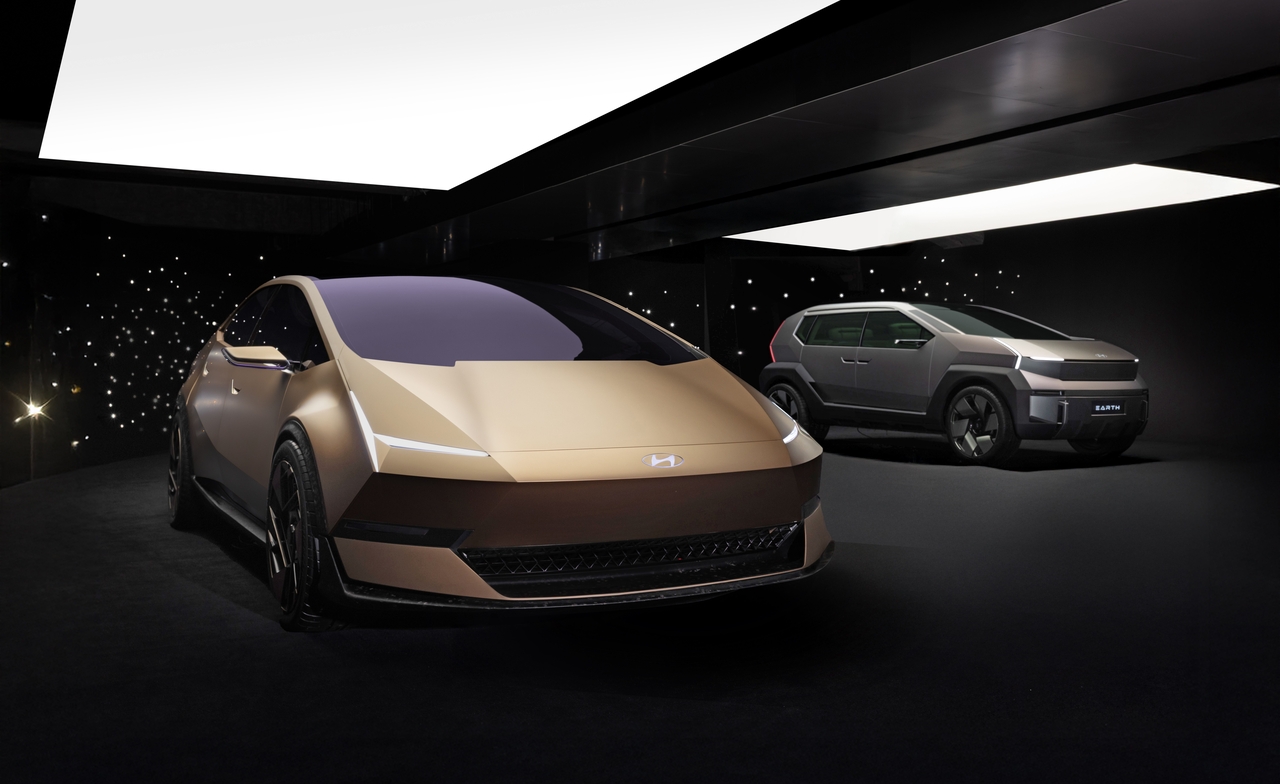
Beyond aesthetics, Hyundai is also deeply localizing the underlying vehicle technology.
The company announced a collaboration with Chinese autonomous-driving startup Momenta to develop advanced driver-assistance features specifically tailored to local road conditions. This partnership is deemed crucial for effectively competing with established Chinese EV brands.
In addition to its pure battery-electric models, Hyundai plans to introduce extended-range EVs (EREVs) to China for the first time. This powertrain combines an electric motor with a gasoline engine that recharges the battery on the go, a move widely perceived as an effort to cater to one of the most popular powertrain preferences within the Chinese market.
All eyes are now focused on whether Hyundai’s new Ioniq models can gain significant traction and recapture a meaningful share of the Chinese market, which has solidified its position as the world’s largest for EVs, accounting for over half of all global EV sales.
To reach its ambitious target of 500,000 annual sales by 2030, observers suggest Hyundai will need to more than triple its current volume. This requires successfully persuading Chinese consumers that its next-generation EVs offer compelling advantages that homegrown alternatives do not.
“Hyundai and Kia vehicles are typically priced slightly above many Chinese brands, so the pivotal question is whether consumers perceive they are receiving superior value in return,” commented Professor Kim.
He further clarified that this doesn’t necessarily imply Hyundai must slash prices. “The true issue revolves around value for money: an optimal combination of price, advanced features, cutting-edge technology, reliable quality, and a strong brand image.”
“Hyundai’s success in China will ultimately hinge on its ability to effectively integrate three key elements: a product specifically tailored to Chinese tastes, exceptional value for money, and a distinct brand identity that clearly differentiates it from its formidable Chinese rivals,” he concluded.