
Specialized Real Estate Workouts: Essential for Korean Investors Managing Distressed Overseas Property
Facing a surge in distressed overseas real estate assets, South Korean institutional investors are increasingly reliant on specialized real estate workout capabilities for effective asset recovery, a critical service highlighted by industry expert Tailwind Real Estate Partners.
Prior to the Covid-19 pandemic, local institutional investors aggressively expanded their overseas real estate exposure, acquiring high-profile properties in the US, such as trophy office assets in Manhattan.
However, the dramatic increase in interest rates and significant structural shifts within the commercial office sector transformed these once-prized assets into distressed real estate investments.
Against this challenging backdrop, Tailwind Real Estate Partners, a firm specializing in real estate loan workouts and distressed asset management, empowers investors to recover maximum value from their troubled holdings.
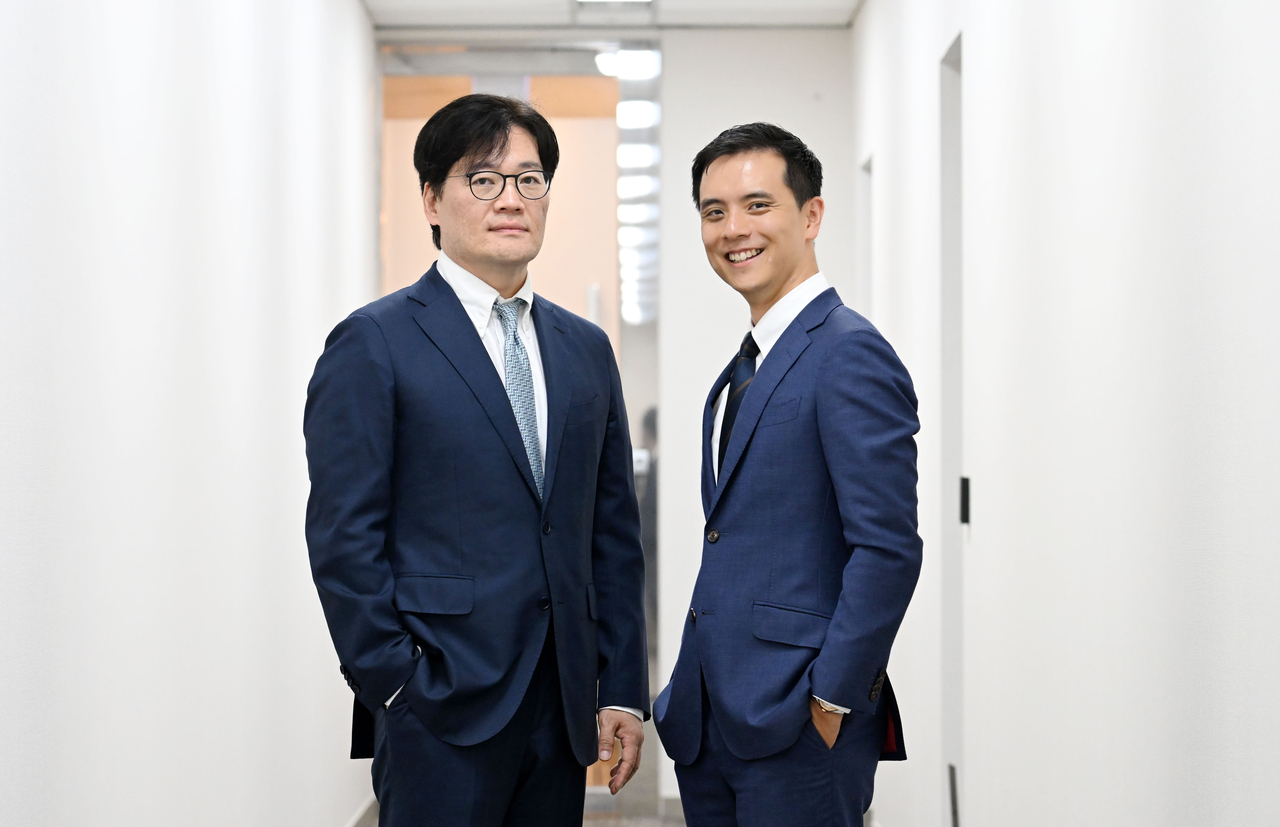
“Our core role at Tailwind is to represent the Korean institutional investors we advise, guiding them through the complex process of recovering as much of their invested principal as possible. Our mission involves strategic negotiations on their behalf to maximize asset recovery and simultaneously minimize potential losses,” stated Oh Jong-yoon, Managing Partner at Tailwind, during an interview with The Korea Herald at the firm’s Seoul office on Wednesday.
Oh Jong-yoon explained that the root cause of these challenges in overseas real estate investments often stems from their intricate structuring. Instead of direct property acquisition, many institutions invested through loans secured by underlying assets, frequently utilizing subordinated debt or mezzanine financing, which carry higher risks in a downturn.
When these real estate loans became non-performing, Korean investors often faced a significant disadvantage in workout scenarios due to their limited familiarity with the complex US restructuring process — a critical knowledge gap that Tailwind Real Estate Partners is specifically designed to bridge.
Distinguishing itself from many advisory firms that merely relay proposals between parties, Tailwind emphasizes a more proactive, hands-on approach. The firm prioritizes thoroughly understanding its clients’ specific objectives and priorities to achieve optimal outcomes in real estate restructuring.
“Many traditional advisors simply relay market developments in the US to Korean institutional investors, presenting them with a ‘take it or leave it’ proposition regarding proposed deals,” Oh Jong-yoon observed.
“Tailwind, however, transcends mere updates, actively working to secure the most favorable real estate workout outcomes possible for our clients, ensuring their interests are robustly represented.”
To streamline and optimize the real estate workout process, Tailwind Real Estate Partners has forged an exclusive partnership with CWCapital, a leading US special servicer in the commercial mortgage-backed securities (CMBS) sector. This collaboration enables comprehensive oversight of restructurings, complex negotiations, and strategic asset dispositions.
A significant divergence between real estate workout processes in Korea and the US lies in the fundamental communication dynamics between lenders and distressed borrowers, noted Kim Seung-hyun, Managing Partner based at Tailwind’s New York office, who also participated in the interview.
“In the US, distressed borrowers typically benefit from a crucial window of time before formal foreclosure proceedings. This period allows them to engage in active negotiations with lenders and explore various comprehensive restructuring strategies,” Kim Seung-hyun elaborated.
“Crucially, the ultimate outcome for a distressed real estate asset can vary significantly based on the strategic management and proactive handling of the situation from its earliest stages.”
Currently, Korean institutional investors’ post-pandemic exposure to the US real estate market largely comprises indirect investments via fund-of-funds structures, as opposed to direct ownership of underlying commercial properties.
However, Tailwind Real Estate Partners anticipates a resurgence in investment activity once the current distressed cycle concludes, creating fresh opportunities for astute real estate investors.
The advisory firm aims to strategically leverage the robust relationships cultivated through its distressed asset workout expertise to seamlessly connect Korean investors with lucrative future investment opportunities as the real estate market inevitably recovers.
“Distressed real estate assets are inherently cyclical, meaning the window for non-performing loans and special situations investments is naturally finite. To perceive the current surge in distressed assets merely as a short-term business opportunity would be a fundamentally short-sighted approach,” Kim Seung-hyun emphasized.
“Our overarching goal is to effectively utilize the deep expertise and strategic relationships we’ve forged through our comprehensive real estate workout advisory services. This enables us to become indispensable, trusted partners for our clients as new, profitable investment opportunities emerge following the conclusion of this market cycle.”
Both Oh Jong-yoon and Kim Seung-hyun are seasoned veterans in the field of real estate finance. After distinguished careers at BridgeRock Capital, a prominent New York-based commercial real estate investment firm, they co-founded Tailwind Real Estate Partners earlier this year, bringing their extensive experience to the fore.
silverstar