Korean Brands Flourish in Ulaanbaatar: K-Culture Fuels Retail Boom from Convenience Stores to Coffee
Ulaanbaatar, the vibrant capital of Mongolia, has affectionately earned the Korean moniker “Mongtan.” This unique nickname, a blend of Mongolia and Dongtan (a major planned city south of Seoul), reflects the city’s burgeoning Korean influence and cultural resonance.
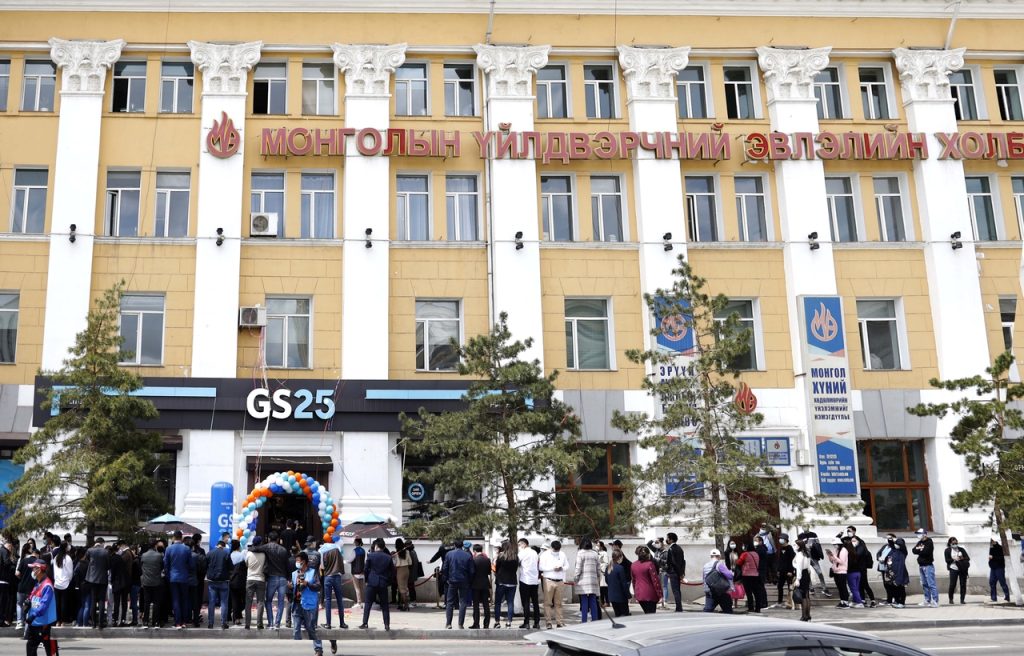
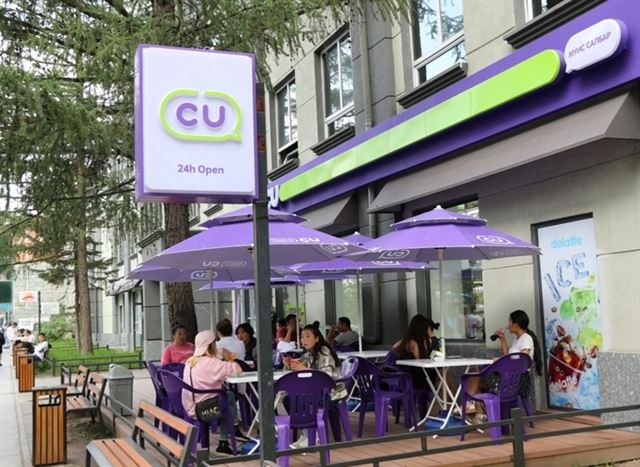
As home to approximately half of Mongolia’s 3.5 million residents, Ulaanbaatar’s urban landscape is increasingly dotted with Korean storefronts. The capital now boasts a remarkable concentration of Korean businesses, making it feel akin to a Korean suburb. Shoppers can find major Korean convenience store chains competing on street corners, alongside an array of popular Korean bakeries and burger establishments lining the sidewalks.
Highlighting this significant trend, President Lee Jae Myung recently addressed the phenomenon at a Korea-Mongolia business forum. He emphasized Mongolia’s rapid retail boom as a key indicator of a broader surge in demand for Korean consumer goods across the region.
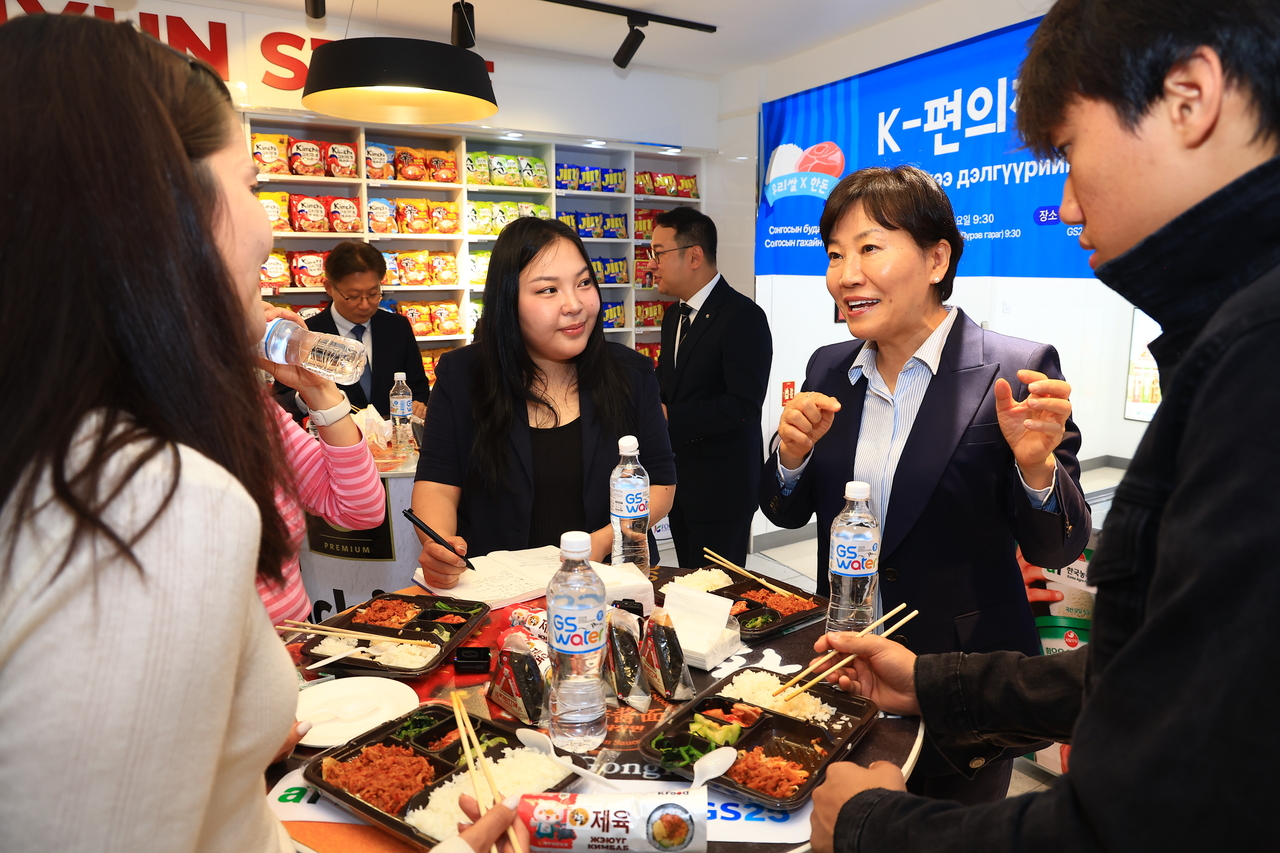
Mongolia’s escalating interest in K-food presents a substantial opportunity for expanded Korean food exports, according to the Ministry of Agriculture, Food and Rural Affairs. This growing demand signals a market with significant potential for Korean agricultural and food products.
Agriculture Minister Song Mi-ryung personally championed this perspective during her recent visit to Mongolia. She specifically toured the highly successful convenience store sector, which currently commands over 90 percent of the local market, underscoring its pivotal role in the K-food expansion.
“Mongolia represents a market with genuine growth potential, where Korean convenience stores have already firmly established themselves,” Minister Song observed. She further added that K-food products are well-positioned to satisfy Mongolian consumers’ desires for both convenience and wholesome, flavorful options.
Citing a remarkable doubling of K-food exports to Mongolia over the past five years, the Agriculture Minister reiterated the ministry’s unwavering commitment to fully supporting and accelerating the growth of K-food exports in this promising market.
Among the leading Korean retail brands, CU stands out, having recently celebrated the opening of its 600th Mongolian store last week. This milestone marks CU as the first Korean retailer to achieve such a widespread presence in any single overseas market, a feat accomplished just eight years after its 2018 entry. GS25 has also made significant inroads, operating approximately 300 stores of its own. Concurrently, E-mart expanded its footprint by opening its largest overseas No Brand store in Ulaanbaatar last week, further solidifying the Korean retail presence.
An official from CU emphasized that the chain’s extensive network in Mongolia extends beyond mere retail ambition.
“Mongolia’s existing social infrastructure, particularly the lack of dedicated rest stops, has allowed CU to effectively fill this gap, especially as tourist demand in the country continues to rise,” the official explained. The official also noted that CU’s strategic growth mirrors Ulaanbaatar’s broader economic expansion, highlighting that the 600th store is strategically located along a major road leading into a smaller city.
Young Consumers Drive K-Food and K-Culture Demand
Industry experts attribute the burgeoning demand for Korean brands and K-food in Ulaanbaatar to its unique demographics. With a median age of around 25.6 years, the city boasts a young, dynamic population that is highly receptive to embracing Korean culture and trends.
“While Mongolia was historically viewed primarily as an export destination, companies are now actively working to establish long-term foundations here,” an industry official stated. This shift reflects the market’s strong receptiveness to Korean food culture and its valuable role as a proving ground for localization strategies, making it an ideal hub for Korean brands seeking international expansion.
The beer market offers a compelling example of this thriving trend. Mongolia has emerged as Korea’s largest overseas market for beer, with exports reaching an impressive 31,033 metric tons in 2025, according to data from the Korea Customs Service.
Leading this charge is Oriental Brewery’s iconic Cass beer, which first entered the Mongolian market in 1999 during a period when local brewing capacity was limited. Cass has since successfully surpassed local competitors, firmly establishing itself as a beloved fixture in Mongolian consumer tastes.
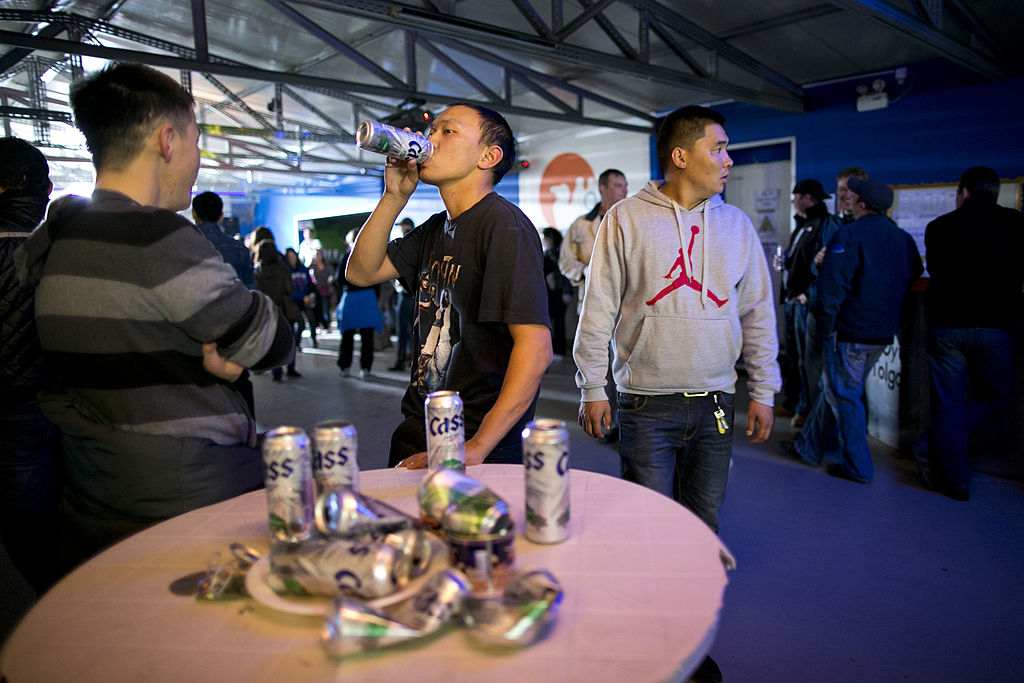
Lotte Chilsung Beverage’s Crush, a newer entrant, joined the import beer market in 2024. Meanwhile, HiteJinro reported a substantial 54 percent year-on-year increase in its Mongolian beer exports for 2025, driven by the strong performance of its flagship products, Terra and Kelly.
“We are meticulously segmenting consumers and implementing tailored marketing strategies for each of our brands,” a HiteJinro official explained. The official further added that Terra, along with their popular soju label Jinro, has already achieved widespread distribution across most small shops throughout Ulaanbaatar.
This wave of K-culture popularity has also been successfully ridden by other Korean food and beverage chains.
CJ Foodville’s Tous Les Jours made history as the first Korean brand to enter Ulaangom, just six months after its successful launch in Darkhan. SPC’s acclaimed Paris Baguette operates a prominent Ulaanbaatar location, with plans for a second store by the end of the year. Lotteria maintains a strong presence with five stores renowned for their delicious beef and chicken burgers. Mom’s Touch, which entered the market in 2023, rapidly expanded to 18 locations by the end of last year.
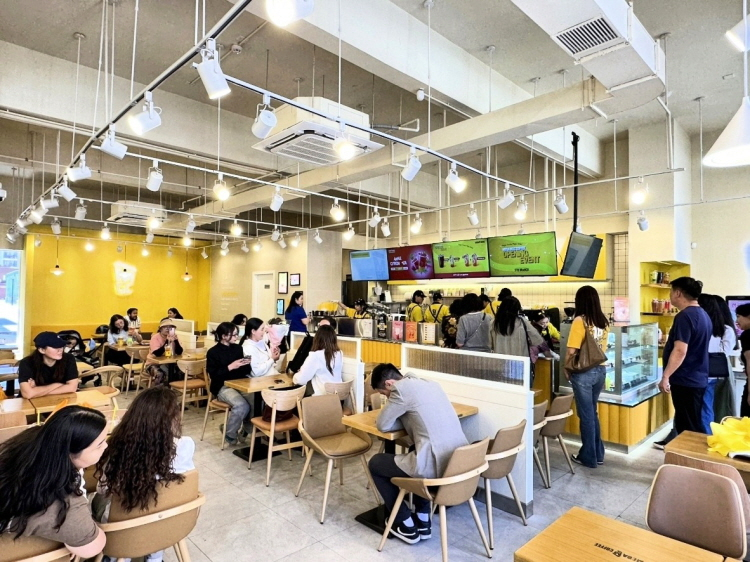
Mega MGC Coffee, Korea’s largest budget-friendly coffee franchise, inaugurated its first Ulaanbaatar store in 2024 and has since rapidly expanded to seven locations, with an eighth and ninth store currently in the pipeline. “The consumer response here has significantly surpassed our initial expectations, prompting us to accelerate our store rollout plan well beyond our original projections,” a company official enthusiastically remarked.