Korean Air-Asiana Merger Stalled: Separate Mileage Programs Risk Fines, High Costs, and Accounting Woes
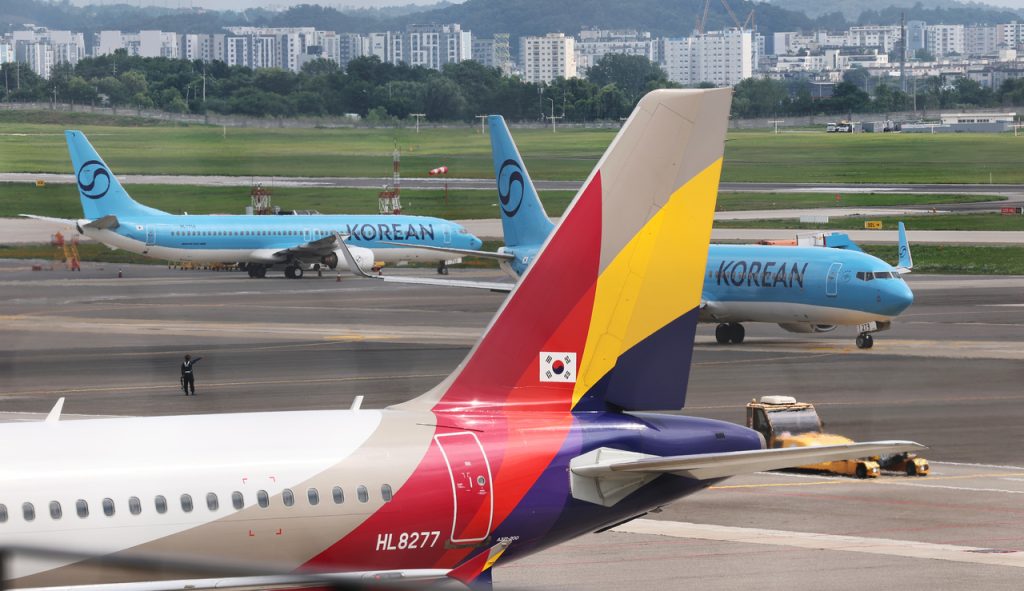
Korean Air may be forced to manage two distinct mileage programs well after its planned merger with Asiana Airlines, set for December 17. This situation arises because South Korea’s antitrust regulator has yet to approve the critical integration plan.
In a recent securities filing, Korean Air, the nation’s flag carrier, indicated that without the Fair Trade Commission’s (FTC) green light before the merger date, it “may need to maintain and operate the existing Korean Air and Asiana Airlines mileage systems separately.” This step is crucial to ensure that consumer benefits, particularly mileage programs, do not become less favorable than they were at the close of 2019.
The year 2019 acts as a benchmark established by the FTC when it granted conditional approval to the Korean Air-Asiana merger in 2022. Korean Air had committed to guaranteeing that all consumer-facing terms, including valuable mileage benefits, would not drop below levels seen just before the COVID-19 pandemic significantly impacted the global airline industry.
The FTC has already rejected Korean Air’s proposed mileage integration plan twice, first in June 2025 and again in December. The regulator cited insufficient safeguards for mileage points slated to expire under the new combined system.
According to Korean Air’s current proposal, miles earned directly from flights would convert on a one-to-one basis. However, miles accrued through partner airline programs would convert at a ratio of 0.82 Asiana miles to 1 Korean Air mile. Importantly, Asiana Airlines members would retain access to their existing miles for a full decade.
Korean Air has issued a stark warning that a prolonged separation of these mileage systems could lead to substantial regulatory fines and severely diminish the core synergies anticipated from the merger.
If regulators determine that operating two separate systems leaves customers in a worse position than under the 2019 terms, Korean Air could face daily fines reaching approximately 925 million won (about $620,000). Furthermore, running parallel systems would necessitate duplicate information technology infrastructure and staffing, inevitably delaying the crucial synergies the airline expects from the acquisition.
“Should the integration plan’s specifics, including the critical mileage conversion ratio, undergo changes during the commission’s ongoing review, this could significantly impact our accounting treatment and overall financial condition, particularly how we assess deferred mileage revenue,” Korean Air elaborated in its filing.
Highlighting the scale of the challenge, Korean Air’s total outstanding mileage liability reached a staggering 2.93 trillion won in the first quarter of this year, representing an 11.9 percent increase from the previous year.
Industry experts suggest that the ultimate resolution hinges on Korean Air’s ability to alleviate concerns regarding its potential dominant market position. With the merger, customers would no longer have the option of switching to another major domestic carrier. The FTC has consistently emphasized that any new system must genuinely meet public expectations, not merely serve the airline’s financial bottom line.
“Addressing worries about reduced consumer benefits stemming from increased market dominance is paramount for the success of this integration,” an industry official commented, underscoring Korean Air’s complex predicament balancing mileage redemption commitments with revenue objectives.