
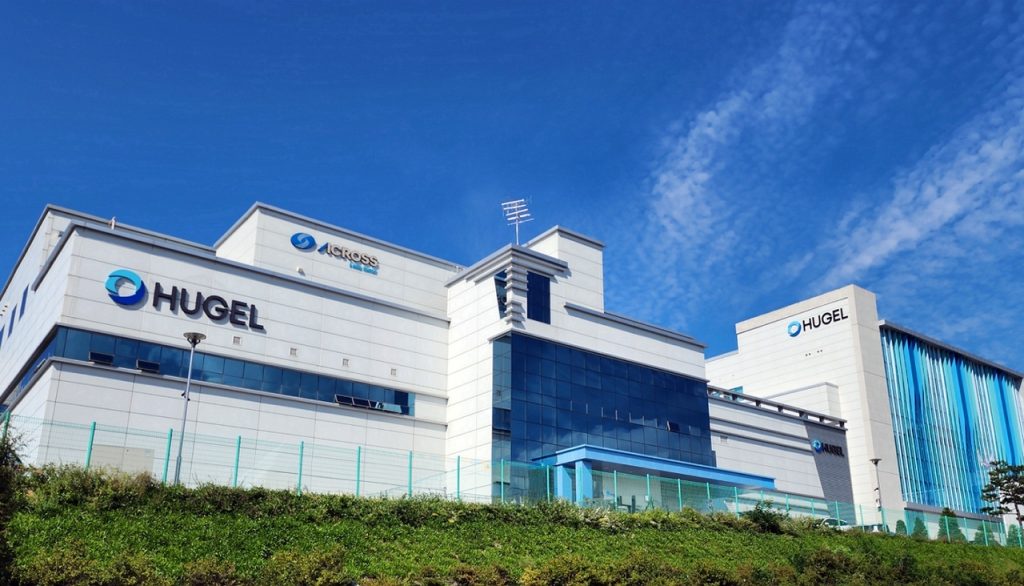
Unveiling Hugel’s Success: How Precision Manufacturing, Robust Security, and Expanded Capacity Propel Korea’s Botulinum Toxin Leader to Global Dominance
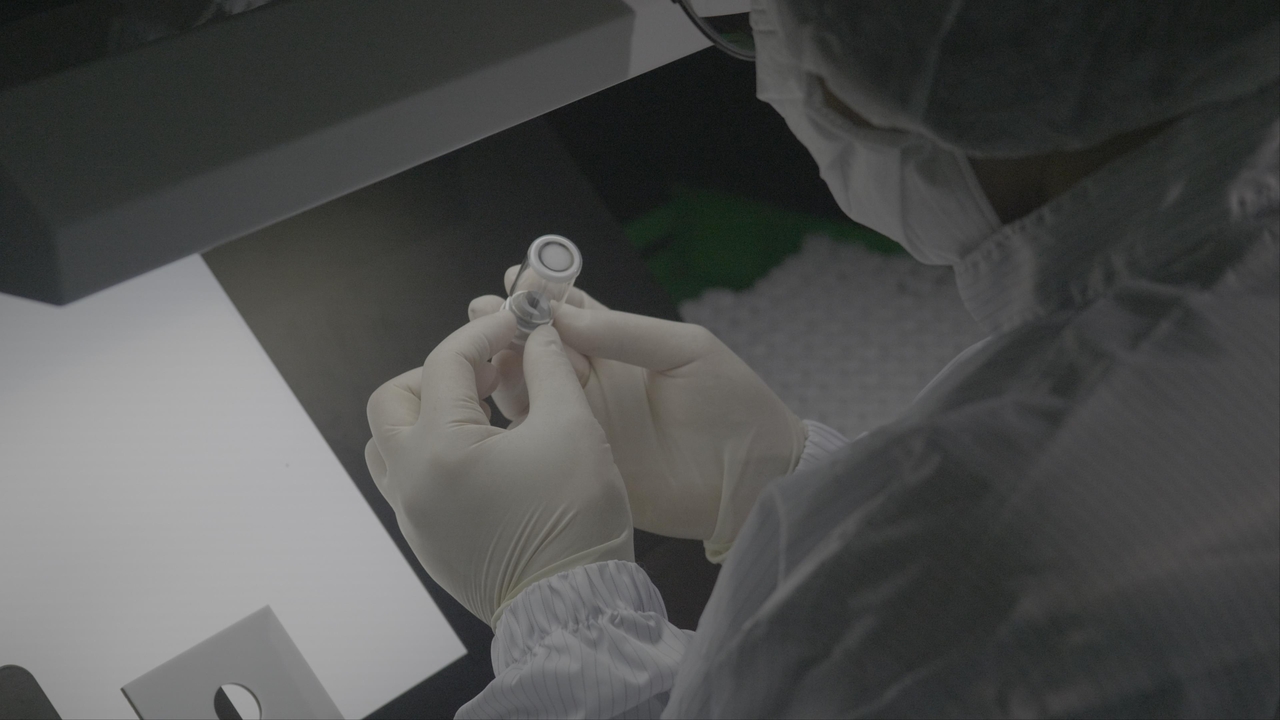
CHUNCHEON, Gangwon Province – At Hugel’s advanced Geodu factory in Chuncheon, Gangwon Province, a critical element of its global success lies secured within an ultralow-temperature freezer. A tube, no bigger than a thumb, holding a few drops of clear liquid, is meticulously stored at minus 80 degrees Celsius in Building A. This potent concentrate serves as the foundational material for producing over 25,000 vials of botulinum toxin, underscoring the immense value and precision inherent in Hugel’s manufacturing process.
“That tiny tube is enough to produce more than 25,000 vials of botulinum toxin,” explains Seol Hee-soo, managing director at Hugel. This remarkable yield highlights the company’s efficient and high-capacity botulinum toxin production capabilities.
The minute vial represents one of Hugel’s most stringently protected assets within its manufacturing complex. Comprehensive security measures, including advanced biometric access controls, multi-layered sterilization protocols, and extensive surveillance, safeguard what South Korea designates as a national core technology. The National Intelligence Service even oversees the critical toxin storage room, demonstrating the paramount importance of Hugel’s botulinum toxin production.
“Only 18 specially certified employees are authorized to enter the botulinum toxin production facility,” Seol affirmed. He detailed the stringent access controls, which include fingerprint and iris recognition systems regulating entry into all sensitive areas. Furthermore, robust contamination prevention protocols are maintained through multiple physical and biological containment measures, ensuring the integrity and safety of Hugel’s pharmaceutical products.
A tour of the facility vividly illustrates why botulinum toxin production transcends mere large-scale manufacturing. Each stage, from the initial cultivation of bacterial strains and meticulous toxin purification to the precise freeze-drying, packaging, and storage, demands near-perfect consistency and rigorous quality control. This unwavering commitment to consistency is a cornerstone of Hugel’s operations, especially as the company aggressively pursues its global market expansion strategy.
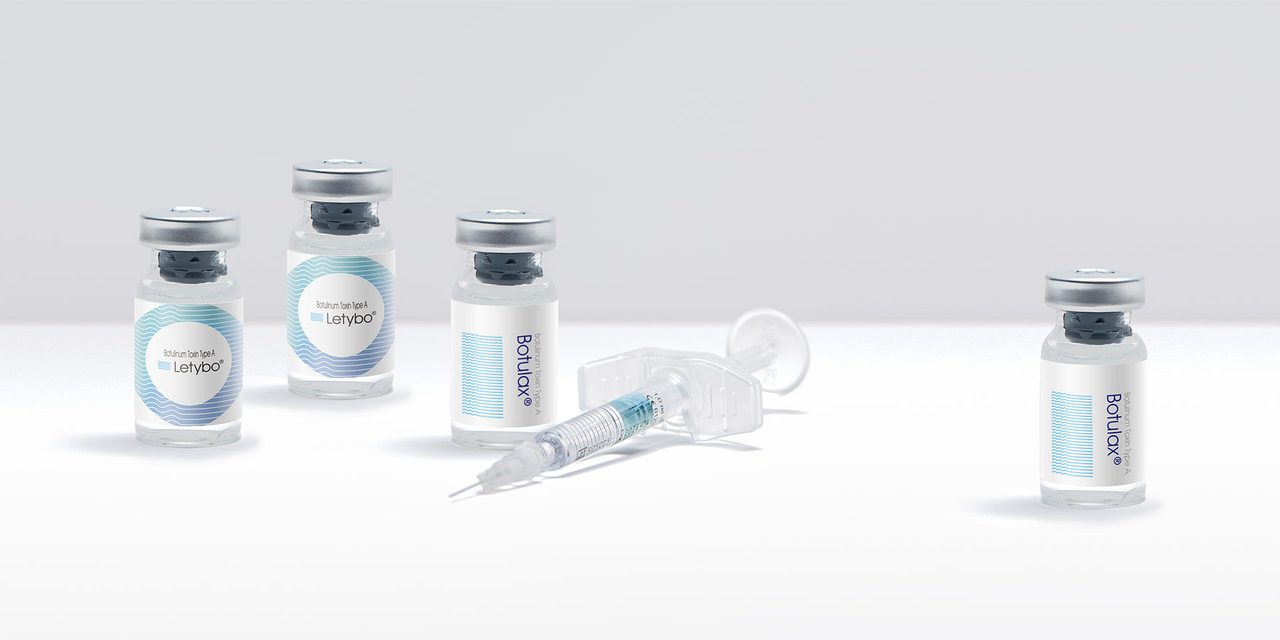
Hugel now distributes its flagship botulinum toxin product, Botulax (known as Letybo in key markets such as the United States), to over 70 countries worldwide. This extensive reach follows successful regulatory approvals across major regions including the US, Europe, and China, solidifying Hugel’s position as a leading global botulinum toxin supplier.
Overseas sales now constitute approximately 69 percent of Hugel’s total toxin revenue, clearly demonstrating the company’s successful transition from a prominent domestic aesthetics manufacturer to a powerhouse global botulinum toxin supplier. In 2025, Hugel reported impressive sales of 425.1 billion won ($279 million) and an operating profit of 200.9 billion won. The firm has consistently achieved an average compound annual growth rate of 16.4 percent over the last five years, showcasing robust and sustained financial performance in the competitive aesthetic market.
Market intelligence from Pristine Market Insights confirms Hugel’s significant ascent, establishing it as the world’s fifth-largest player in the rapidly expanding global botulinum toxin market. The company now stands shoulder-to-shoulder with multinational pharmaceutical giants like AbbVie and Galderma, underscoring its impressive market penetration and strategic growth.
To effectively manage its accelerating cross-border expansion and burgeoning global demand, Hugel initiated commercial production at Building B of its Geodu factory in April of the previous year. This strategic expansion more than doubled its annual botulinum toxin production capacity, reaching an impressive 13 million vials – with 5 million vials from the original Building A and an additional 8 million from the advanced new facility. This significant capacity increase positions Hugel to meet escalating international market needs.
“At this moment, we are confident that we possess ample production capacity to stably meet current global demand for botulinum toxin,” Seol stated, assuring a consistent supply for Hugel’s international clients.
“However, as the global botulinum toxin market continues its robust expansion and Hugel maintains its strong growth trajectory, future capacity expansion remains a strategic consideration and a matter of optimal timing,” he added. “Our decision will be informed by a comprehensive review of global demand trends and anticipated market dynamics.”
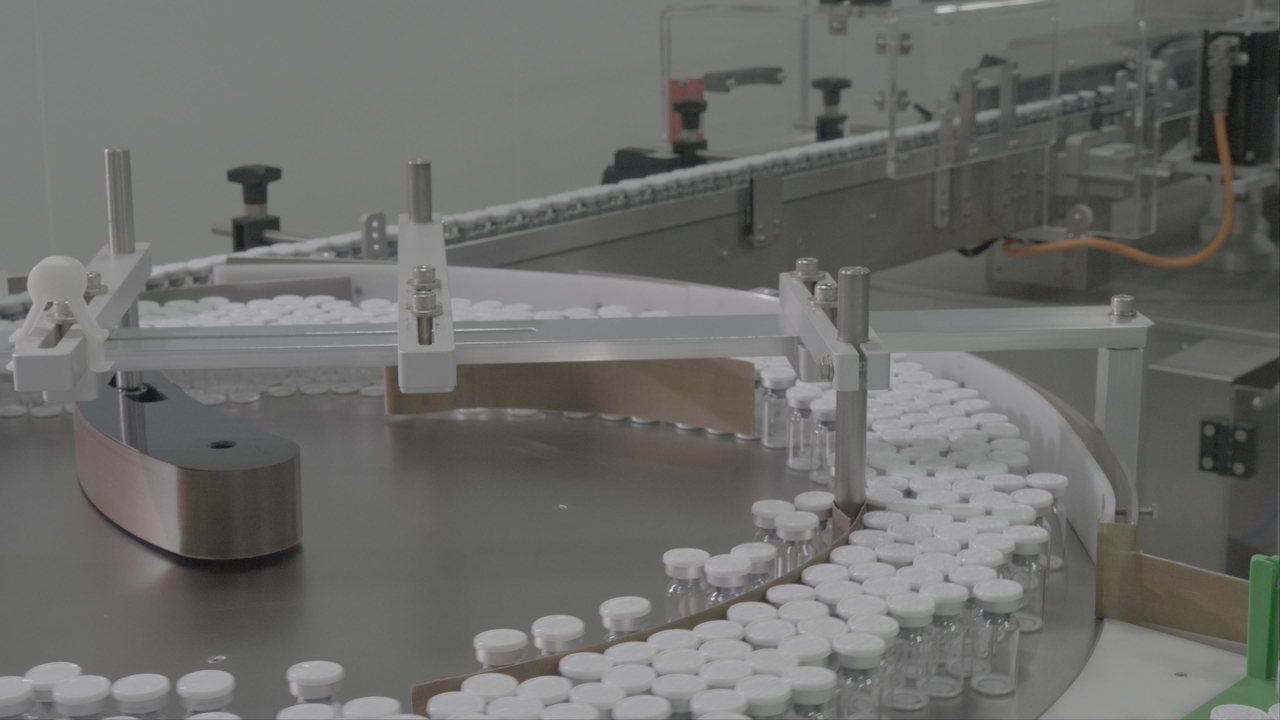
Within the highly controlled drug production environment, employees meticulously oversee the systemized filling process, complemented by automated guided vehicles that efficiently transport racked vials between various production stages. Hugel reports that approximately four hours are dedicated to filling around 25,000 vials before they proceed to freeze dryers for a 16-hour cycle, meticulously transforming the liquid botulinum toxin into its stable, familiar powder form – a testament to precise pharmaceutical technology.
“Building B significantly enhances our production capabilities, delivering approximately 1.6 times the output of Building A,” Seol emphasized. “This new facility is projected to shorten finished-product manufacturing time by about 40 percent, dramatically improving overall operational efficiency and accelerating our market supply.”
Seol confirmed that Hugel has already submitted a Prior Approval Supplement to the US Food and Drug Administration (FDA) to register the new manufacturing site. This is a crucial step in their global strategy, with plans to sequentially seek regulatory approvals in other major international markets starting next year, further broadening Hugel’s global footprint for botulinum toxin products.
In its pursuit of continuous innovation in pharmaceutical manufacturing, Hugel is also actively validating an advanced vacuum-drying process. The company intends to submit this for regulatory approval later this year. Hugel highlights that this novel vacuum drying technique could substantially reduce processing time and significantly enhance manufacturing efficiency compared to conventional freeze-drying methods, marking a potential breakthrough in botulinum toxin production technology.
Beyond its cutting-edge technology and robust production capabilities, Hugel demonstrates a strong commitment to ethical practices. The company holds an annual memorial ceremony to honor the laboratory animals utilized in potency testing. This solemn event brings together executives, veterinarians, and members of its independent animal ethics committee, who pay tribute to the animals that contribute to vital research and product safety.
“This ceremony,” Hugel emphasizes, “underscores a fundamental truth in biologics manufacturing: ultimate precision and reliability are not solely dependent on advanced machines, but equally on the dedicated people and the unwavering ethical principles that govern every aspect of our operations.” This statement reinforces Hugel’s holistic approach to high-quality pharmaceutical production.
hwkan


