HanmiGlobal Celebrates 30 Years with Global AI Summit on Advanced Project Delivery & Risk Management
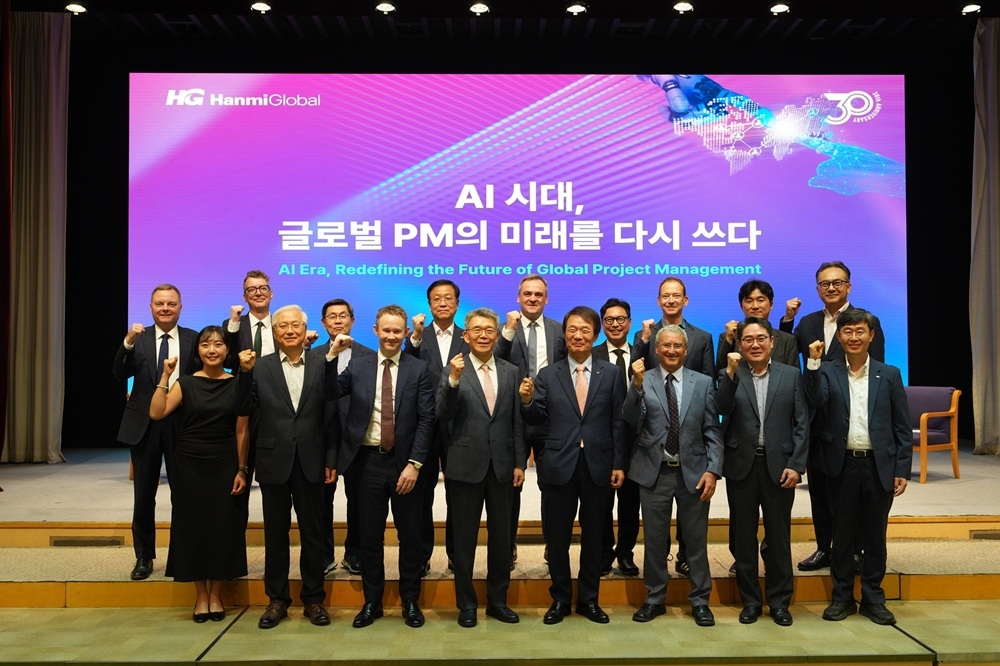
HanmiGlobal, a leading force in South Korea’s construction project management sector, marked its 30th anniversary by hosting a pivotal global summit. The event brought together international industry experts to explore the transformative impact of artificial intelligence (AI) on modern project management and the broader construction industry.
The 2026 Global PM Summit, convened at Seoul’s Posco Center Art Hall under the theme “Rewriting the Future of Global PM in the AI Era,” delved into how cutting-edge technologies can effectively address the persistent challenges facing the construction industry. Discussions focused on overcoming stagnant productivity, widespread labor shortages, escalating costs, and the increasing complexity of large-scale projects.
Renowned industry specialists highlighted key technological advancements such as AI-powered project controls, sophisticated digital twins, Building Information Modeling (BIM), and robotics. These innovations were underscored as essential tools for boosting operational efficiency, mitigating project risks, and ensuring long-term competitive advantage within the construction landscape.
HanmiGlobal Chairman Kim Jong-hoon emphasized that while AI is fundamentally reshaping how projects are meticulously planned, expertly executed, and strategically managed, the irreplaceable value of human expertise remains paramount.

“Technology alone cannot guarantee project success,” Kim stated, reiterating that human judgment, invaluable insights, and collaborative efforts will continue to form the central pillar of successful project delivery in the AI-driven future.
Delivering the keynote address, David Whysall, Chief Operating Officer of the global project management and quantity surveying giant Turner & Townsend, asserted that rapid AI integration is now critical for the industry’s sustained evolution and future viability.
“Our industry must swiftly embrace AI,” Whysall urged. “Organizations that wish to remain competitive and relevant in the next five years will find AI adoption to be non-negotiable.”
He elaborated on AI’s vast potential to significantly enhance productivity, attract a new generation of talent, and deliver unparalleled value to clients, moving beyond mere traditional efficiency gains.
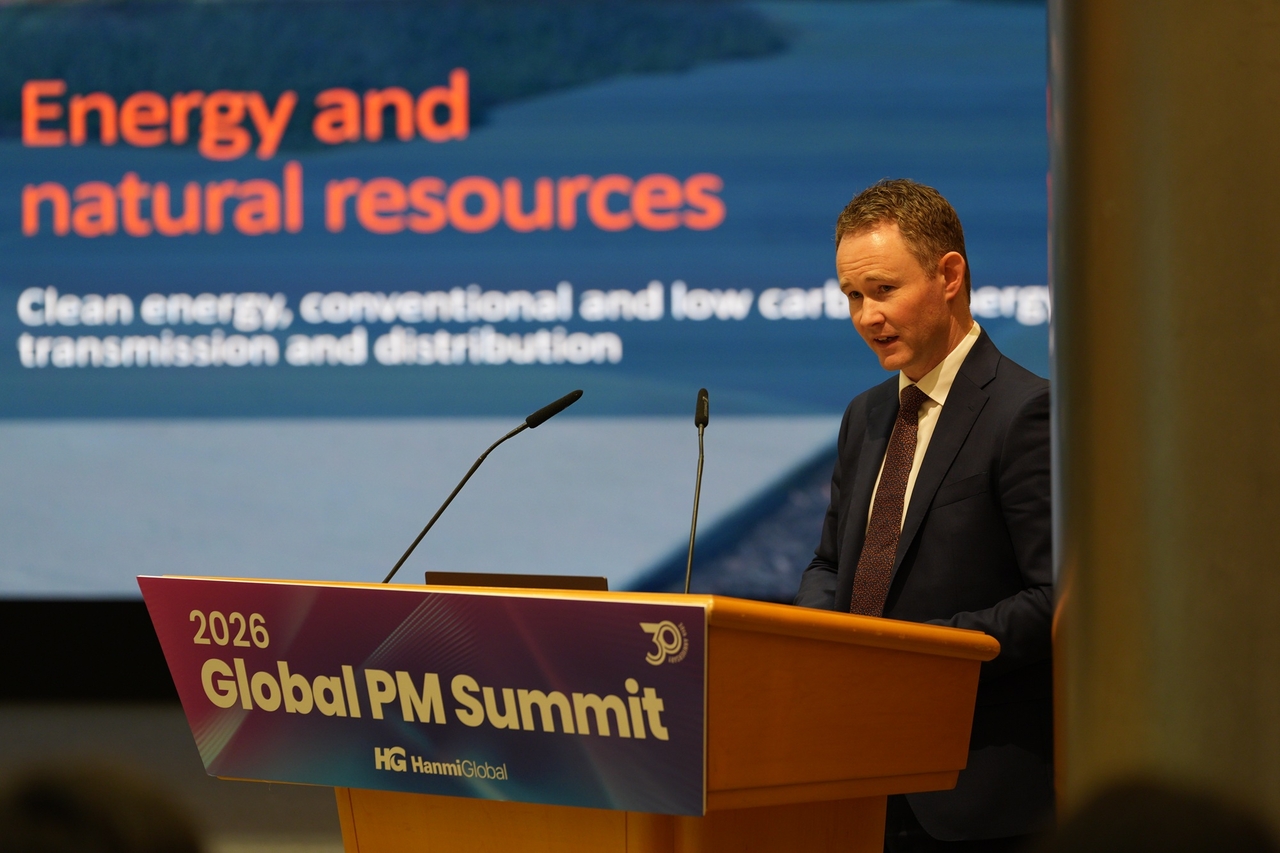
Whysall highlighted the emergence of advanced AI agents as a significant technological paradigm shift. Unlike conventional chatbots, these sophisticated AI agents possess the capability to interact seamlessly with software tools, reason through complex tasks, and continuously learn and adapt from their experiences.
“I view AI as a dynamic work in progress today,” he commented. “If AI were a person, it might currently be an intern. However, in just a few years, it will attain the same level of capability as some of the most experienced professionals present in this very room.”
Turner & Townsend, a firm generating annual revenues exceeding 5.7 billion pounds ($7.5 billion), is making substantial investments in cutting-edge technology and data capabilities as a cornerstone of its ambitious growth strategy. Whysall detailed the company’s objective to develop a leading data and knowledge platform, designed to bolster its cost, schedule, and risk management services while simultaneously laying the groundwork for future AI applications.
He also emphasized the necessity for organizations to cultivate a greater comfort level with experimentation and iterative failure as the pace of technological adoption continues to accelerate.
“While technology projects inherently carry a higher rate of failure, this is a concept we are unaccustomed to within traditional project management,” he remarked. “We must cultivate a mindset to learn quickly, adapt, and ‘fail fast’ to innovate effectively.”
In a compelling special lecture, Andre Borrmann from the Technical University of Munich demonstrated how AI is rapidly driving the convergence of BIM, digital twins, and robotics across the entire construction life cycle. He showcased innovative AI tools that can generate BIM models from simple text prompts, autonomously operate BIM software, and intelligently analyze site imagery in conjunction with comprehensive BIM data.
Professor Rafael Sacks of the Technion-Israel Institute of Technology presented a forward-thinking perspective, arguing that AI could fundamentally redefine existing project management business models, rather than merely improving operational efficiency. He posited that future industry competitiveness will increasingly hinge on effectively leveraging project intent and real-time site-status data to accurately predict outcomes and deliver advanced production control as a tailored service.
A dynamic panel discussion, expertly moderated by Yonsei University professor Lee Kang, explored critical topics. These included the evolving responsibilities of project managers in the AI era, strategic approaches for building robust data assets, establishing universal standards for data sharing, evaluating the return on investment (ROI) for AI implementations, and navigating the complex legal accountability associated with AI-driven decisions.
Further demonstrating its commitment to pioneering AI innovation, HanmiGlobal also announced the formal signing of Memorandums of Understanding (MOUs) with the Technical University of Munich’s prominent Construction AI Research Center and Technion’s esteemed National Building Research Institute. These strategic partnerships aim to foster collaborative joint research projects and significantly expand HanmiGlobal’s global AI research network.
shwang9