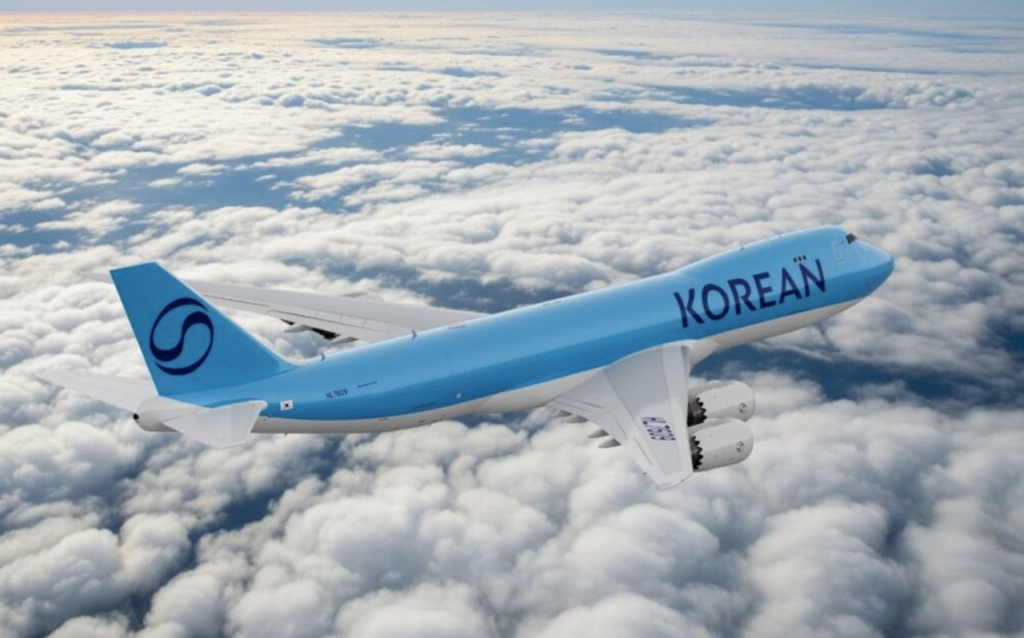
Korean Air announced Friday that the integration of Asiana Airlines is estimated to incur costs reaching up to 1 trillion won (approximately $654 million). However, the airline confidently projects that significant synergy effects from this strategic merger will fully offset these expenses as early as the end of 2028.
During a recent investor relations session held in Seoul, South Korea’s flag carrier unveiled its comprehensive post-merger integration (PMI) strategy. An in-depth analysis estimates the total integration costs will range between 900 billion won and 1 trillion won. Conversely, the annual synergy effects generated from the combined operations are projected to be around 300 billion won, underscoring the long-term financial benefits of the Korean Air-Asiana Airlines unification.
“We anticipate the actual synergy effects could surpass the initial projections from our PMI analysis,” stated Park Hee-don, a Senior Vice President at Korean Air. He added, “If our plans proceed smoothly, we believe the integration costs could be entirely offset sometime between late 2028 and early 2029, reinforcing the robust financial outlook of the merged entity.”
The ambitious plan targets the official launch of the integrated airline by December 17. With this major aviation industry consolidation, Korean Air aims to establish itself as a global top 10 airline, operating an extensive fleet of 230 aircraft and generating an impressive 23 trillion won in annual revenue, significantly enhancing its market position and service capabilities.