South Korea is set to explore significant income tax reductions for young professionals employed by small and medium-sized enterprises (SMEs), a key initiative aimed at stimulating regional economic growth, as announced by the nation’s finance minister.
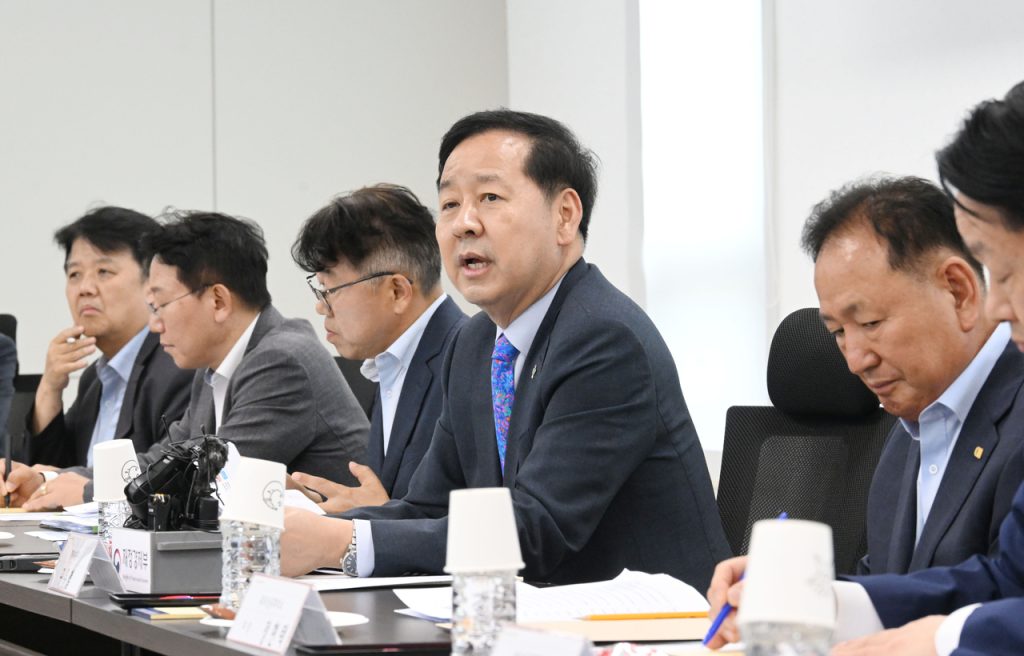
During a press briefing in Gwangju, the southwestern city, Finance Minister Koo Yun-cheol affirmed, “We will review applying differentiated income tax reduction rates and benefit periods specifically tailored for SME workers.”
He further elaborated, “To foster robust economic growth driven by regional development, we are considering offering preferential treatment through strategic tax policies for these areas.”
Currently, eligible young SME employees in South Korea benefit from a 90 percent income tax reduction over a five-year period. However, Minister Koo’s recent statements suggest the government plans to introduce enhanced incentives, particularly for those working outside the bustling greater Seoul metropolitan area.
Koo emphasized the focus: “Our priority is to deliver greater benefits to individuals located in regions farther from Seoul, where living conditions often present more challenges. Crucially, these benefits are intended to directly support workers, not just companies.”
Shifting to broader economic trends, Minister Koo identified the recent decrease in global crude oil prices as a “favorable indicator” for the economy.
He cautioned that a complete resolution hinges on several factors: “For the situation to fully stabilize, the Strait of Hormuz must be completely reopened, and a crucial agreement between the United States and Iran needs to be finalized. Following these developments, sustained monitoring of the market will be essential for a defined period.”
Regarding domestic policy, the finance minister confirmed that South Korea will meticulously monitor energy prices before making a decision on whether to discontinue the current fuel tax cut program. An announcement on this key decision is expected on Thursday.
Finally, addressing the significant additional tax revenue from chipmakers spurred by the artificial intelligence (AI) boom, Koo advocated for its strategic allocation. He stated this revenue should primarily be utilized to mitigate economic disparities, specifically targeting support for young workers, small business owners, and the self-employed.