US and Australian Officials Support Allied Critical Minerals Refining Partnership with Korea Zinc at its Core
As the world’s leading refined zinc smelter, Korea Zinc is actively considering a major expansion of its Australian refining capabilities. This move comes in response to increasing calls for a resilient, three-way critical minerals supply chain involving South Korea, the US, and Australia.
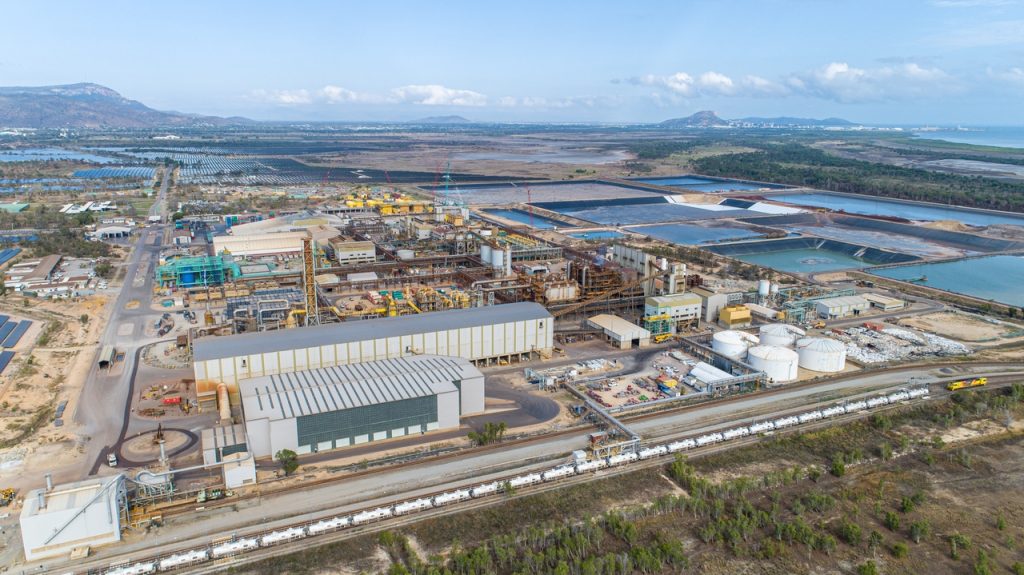
Reports from Australian local media on Wednesday highlight strong advocacy from political and business leaders in Townsville, North Queensland. They are urging Korea Zinc’s Australian subsidiary, Sun Metals Corporation (SMC), to evolve its operations into an integrated processing facility for critical minerals, including copper and lead, beyond its current zinc focus.
During the recent Townsville Enterprises 2026 Mining and Manufacturing Forum, SMC acknowledged these growing community demands for expanding its operations beyond traditional zinc refining. The company confirmed it would proceed with discussions regarding potential feasibility studies and future development plans for this expansion.
SMC CEO Ron Lee confirmed the company is “seriously considering a request to apply the advanced technological capabilities of Korea Zinc, honed at the Onsan Smelter, to North Queensland, building on the success of ‘Project Crucible.’”
Lee further stated, “This forum offers a vital opportunity to initiate concrete discussions aimed at strengthening Australia’s core mineral capabilities and fostering an allied critical minerals ecosystem.”
This expansion proposal aligns with Korea Zinc’s previous announcement last year of a significant $7.4 billion investment. This investment, backed by the US government, will establish a large-scale mineral processing facility in Tennessee under the strategic initiative “Project Crucible.”
Construction for the Tennessee facility is slated to begin in 2027, with full commercial operations anticipated by 2029. Upon completion, it will produce 13 different nonferrous metals, notably including 11 minerals critical to the US government’s strategic interests, alongside high-grade semiconductor sulfuric acid.
During the forum, US officials also strongly indicated their support for enhanced trilateral cooperation between South Korea, the US, and Australia in the critical minerals sector.
Jeremy Cornforth, the US Consul General in Australia, emphasized the potential for powerful synergies within allied supply chains. He highlighted that combining Australia’s rich mineral resources and advanced mining capabilities with US investment and Korea Zinc’s unparalleled industrial expertise would be transformative.
Despite being a global leader in lithium and rare earth materials production, Australia currently sees much of its raw critical minerals processed overseas, primarily in China. Concurrently, the US is aggressively investing in domestic refining and manufacturing capacity, driven by urgent needs to reduce its reliance on China amidst escalating trade tensions and secure its critical minerals supply.
Analysts anticipate that as discussions with Australian communities progress into concrete business agreements, the Korea-US-Australia trilateral framework for critical minerals will significantly deepen. Should this partnership fully materialize, its scope could expand into vital sectors such as defense, shipbuilding, and energy, thereby strengthening the economic and security alignment of these three nations.
Industry observers consistently point to Korea Zinc’s advanced nonferrous refining technology as a key factor, positioning the company as an indispensable partner in forging robust allied supply chain collaborations for critical minerals.
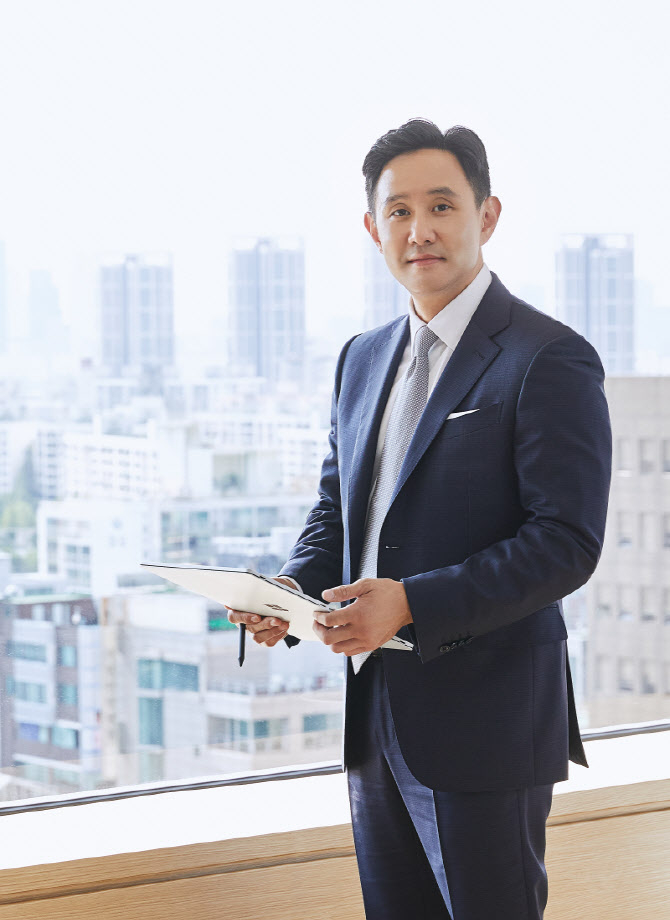
Korea Zinc Chairman Choi Yun-beom is widely recognized for his extensive and deep-rooted connections within Australia’s political and business communities, further solidifying the company’s position.
From 2014 to 2019, Chairman Choi notably served as CEO of SMC. During his tenure, he was instrumental in transforming the once loss-making operation into a profitable venture, concurrently spearheading the expansion of renewable energy and hydrogen-related projects across the region.
A significant achievement during his leadership was SMC’s completion of a 125-megawatt industrial solar power facility near the Townsville zinc smelter in 2018, which stood as Australia’s largest industrial-scale solar farm at that time, demonstrating a commitment to sustainable critical minerals production.
sahn