
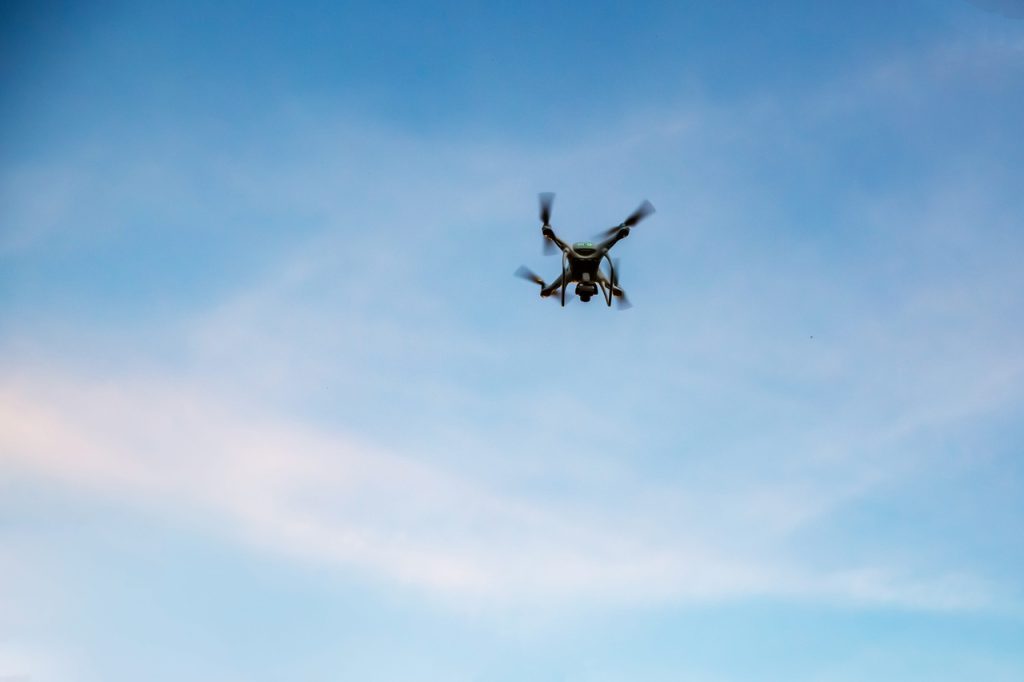
South Korea Forges Ahead with Innovative Interceptor Drone Defense System
South Korea has initiated the development of advanced interceptor drones specifically engineered to directly collide with and neutralize incoming medium-sized exploding drones. This groundbreaking project, announced by the state arms procurement agency, marks a significant leap in modern counter-drone defense capabilities.
The Defense Acquisition Program Administration (DAPA) is spearheading this initiative, recognizing the evolving threat posed by medium-sized exploding drones that are fundamentally altering the landscape of contemporary warfare. This rapid demonstration project aims to swiftly integrate cutting-edge civilian technologies into robust defense applications.
Under this innovative program, prototypes of critical weapons systems, even those without formally established military requirements, are developed first. This agile approach allows the armed forces to rigorously test their operational effectiveness and suitability through comprehensive performance trials before full-scale deployment.
Introducing the new “counter-drone hard-kill close-in protection system,” this sophisticated defense mechanism will employ its own integrated radar to detect approaching enemy exploding drones targeting friendly assets. Once an adversary drone enters a predefined range, a specialized interceptor drone will rapidly engage. Utilizing an infrared heat-seeking seeker, it will lock onto the target and ensure its destruction through a precise direct collision.
To confirm successful interception, the system integrates advanced electro-optical and infrared equipment. In the event of an initial failure, the system is designed for redundancy, dispatching another interceptor drone for a swift follow-up interception, as confirmed by the agency.
This critical project will enable the military to thoroughly verify the system’s efficacy against challenging medium-sized exploding drones, particularly those that exploit low-altitude flight paths to evade conventional air defense systems. DAPA also anticipates using this project to explore the potential for developing this system into a highly cost-effective and mass-producible weapon solution.
“Direct-collision interceptor drones offer a vital new response option for safeguarding high-value rear-area facilities,” stated Yoon Chang-moon, director general of DAPA’s Defense Technology Protection Bureau. “This includes critical infrastructure such as command headquarters, sprawling air bases, strategic missile bases, essential power plants, and bustling ports.”
He further elaborated, “Should this system be developed into a cost-effective defense solution capable of replacing more expensive traditional missiles, it could significantly contribute to reducing the defense budget while simultaneously bolstering our national protection capabilities.”
The Defense Rapid Acquisition Technology Research Institute, an esteemed affiliate of the Agency for Defense Development, will execute this pivotal two-year project with a substantial budget of 17 billion won (approximately $11.2 million USD).
Upon successful demonstration of the prototype’s operational usefulness through rigorous performance tests, the military will then evaluate the pursuit of a follow-up project. This decision will be made through established procedures, including the potential declaration of an urgent operational requirement, ensuring timely integration of this advanced drone defense technology.
flylikekite


