From chips to shipyards, unions push aggressive profit-sharing demands, fueling anxiety over wider labor unrest
South Korea’s vital industries are grappling with the most significant wave of labor unrest in years. This escalating tension sparks serious concerns about potential disruptions to critical global technology and automotive supply chains, arriving at a crucial juncture for the national economy.
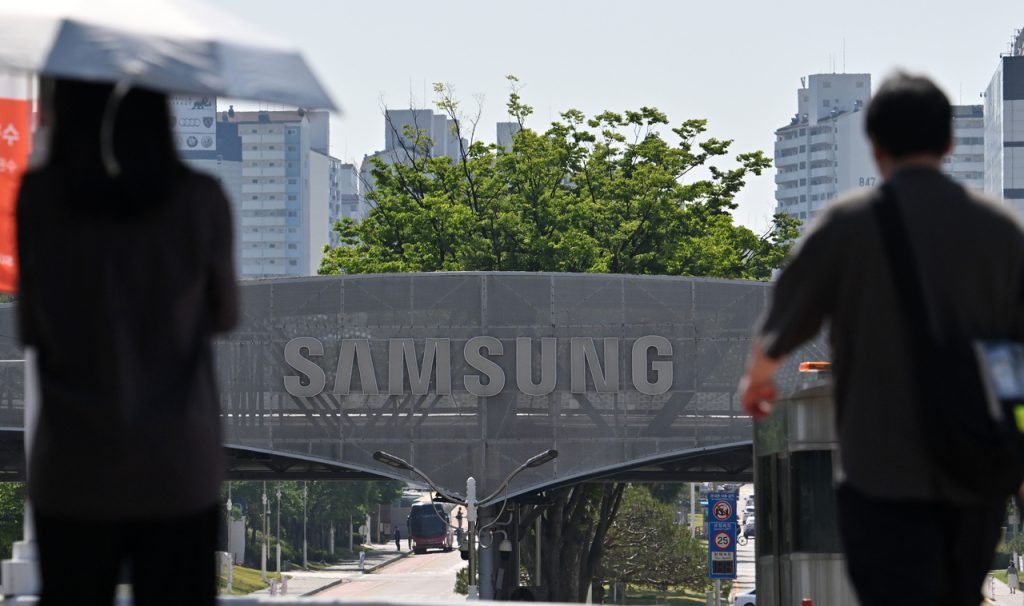
Central to these deepening tensions is Samsung Electronics, where employees are poised to begin an unprecedented 18-day strike this Thursday.
Samsung’s largest labor union is pushing for the elimination of current caps on performance bonuses and proposing a new profit-sharing system that would allocate up to 15 percent of the company’s operating profit directly to employees. Should Samsung achieve its estimated 300 trillion won ($199 billion) in annual operating profit this year, this formula could lead to staggering bonus payouts of up to 45 trillion won.
Conversely, Samsung management staunchly opposes institutionalizing such a rigid structure. They argue that fixed, uncapped profit-sharing models could significantly jeopardize long-term investment capabilities within the highly cyclical semiconductor industry, which demands extremely flexible financial management and substantial capital expenditure to maintain its competitive edge.
As of Tuesday, Samsung Electronics and its union were engaged in government-led mediation talks, representing a final attempt to avert what could become the largest strike in the history of the world’s leading memory chipmaker. The union has issued a stark warning that over 50,000 workers are prepared to participate if these crucial negotiations collapse.
Industry observers widely predict that the outcome of these pivotal Samsung negotiations will serve as a watershed moment, fundamentally reshaping labor-management relations across Korea Inc.
“Other companies and labor unions are closely monitoring this situation,” noted Hwang Yong-sik, a business administration expert at Sejong University. “Should Samsung establish a precedent, it could effectively set a new standard and reference point for wage and bonus demands across diverse industries.”
Hwang further cautioned that if Samsung’s union successfully institutionalizes a profit-sharing framework directly linked to operating profit, “the subsequent ripple effects across the entire South Korean industrial landscape could be truly enormous.”
Broader Labor Demands Ripple Across Korea’s Key Industries
The escalating concerns extend far beyond Samsung’s immediate dispute. Labor unions at major players like Hyundai Motor, HD Hyundai Heavy Industries, Hanwha Ocean, and prominent tech companies such as Kakao are significantly intensifying collective actions, pushing aggressive demands for higher wages and performance bonuses.
Recently, labor unions at both Hyundai Motor and Kia have submitted wage demands that notably include bonuses equivalent to 30 percent of the companies’ net profit. Similarly, unions at HD Hyundai Heavy Industries are now seeking bonuses valued at a minimum of 30 percent of operating profit, spurred by the shipbuilder’s recent record earnings.
Meanwhile, employees at Hanwha Ocean, Samsung Biologics, LG Uplus, and Kakao have also amplified their calls for compensation systems that are more directly and transparently tied to their respective companies’ financial performance.
Industry officials are issuing stern warnings that formalizing such fixed payout structures, especially when linked directly to operating profit, could severely impair companies’ crucial ability to sustain vital investments during economic downturns, particularly within capital-intensive sectors like semiconductors.
These concerns become even more acute for South Korea’s smaller suppliers and subcontractors, entities that typically operate on significantly thinner profit margins compared to the major conglomerates.
An industry official highlighted the potential domino effect, stating, “If fixed-ratio bonus systems become normalized within large corporations, smaller firms will inevitably face similar pressures from their workers, demanding comparable arrangements despite often lacking the financial capacity to absorb such costs.”
Anxieties have been further exacerbated by recent revisions to South Korean labor laws, popularly known as the “Yellow Envelope Law.” These legislative changes have significantly expanded protections for union activities and broadened collective bargaining rights, extending them to subcontractors.
Critics contend that these changes could potentially accelerate the frequency and intensity of labor disputes across complex subcontracting networks and entire industrial supply chains.
Professor Hwang emphasized this point, noting, “Subcontractors will inevitably demand compensation and conditions similar to those enjoyed by main contractors. Consequently, parent companies will find themselves increasingly drawn into direct negotiations they previously managed to avoid.”
These escalating labor tensions emerge at an especially delicate period for South Korea’s export-driven economy. The nation is already grappling with intensifying competition from Chinese rivals across critical industries, including semiconductors, electric vehicles, shipbuilding, and advanced batteries.
Industry officials caution that prolonged labor instability could further accelerate the ongoing trend of investment and production shifting overseas. This is particularly relevant as Korean companies continue to strategically expand their manufacturing operations across the US, Southeast Asia, and Europe, primarily to mitigate mounting geopolitical and operational risks.
sahn