South Korea experienced its slowest job growth in 16 months during April, adding just 74,000 positions. This significant deceleration is primarily attributed to the ripple effects of the Middle East conflict, which has fueled rising oil prices and subsequently dampened consumer sentiment, according to data released Wednesday.
The nation’s total employed population reached 28.96 million in April, marking an increase from 28.88 million recorded a year prior, as reported by the Ministry of Data and Statistics.
This figure represents the weakest job market performance since December 2024, when South Korea saw an on-year decline of 52,000 jobs.
In contrast, South Korea’s job growth figures had previously shown stronger momentum, expanding in the 200,000 range during both February and March.
Despite the slowdown in job creation, the nation’s jobless rate remained stable at 2.9 percent in April, consistent with the previous year. The total number of unemployed individuals decreased slightly by 2,000, reaching 853,000 last month.
The Ministry noted shifts in age-group specific unemployment, with rates declining for individuals in their 20s and 50s, while rising for those in their 30s.
South Korea’s employment rate for individuals aged 15 to 64 registered 70 percent in April, a modest decrease of 0.1 percentage point year-on-year.
For the broader demographic of South Koreans aged 15 and above, the employment rate stood at 63 percent, down 0.2 percentage points.
Analyzing sectoral employment trends, the health and social welfare services sector demonstrated significant growth, adding 261,000 jobs year-on-year. The arts, sports, and recreation-related services sector also saw an increase of 54,000 positions, alongside the real estate sector, which expanded by 49,000 jobs.
Conversely, some key sectors faced job losses. The science and technical services sector experienced a notable reduction of 115,000 jobs, while the crucial manufacturing sector saw a decrease of 55,000 positions.
The Ministry attributed the record decline in the science sector — a category first tracked separately in 2013 — primarily to a base effect, following a period of robust job growth in previous years.
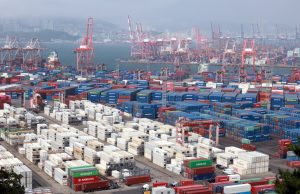
Job creation in the transportation and storage industry also slowed considerably, adding 18,000 positions in April, a sharp drop from the 75,000 jobs added in March.
“The transportation and storage industry includes parcel and delivery services, which were affected by higher oil prices. Export and import volumes also declined from a year earlier,” a senior official at the data ministry said.
The number of economically inactive individuals rose by 174,000 year-on-year. Specifically, those reporting they were neither working nor actively seeking employment, choosing to simply rest, increased by 63,000, reaching 2.49 million, as per the latest findings.
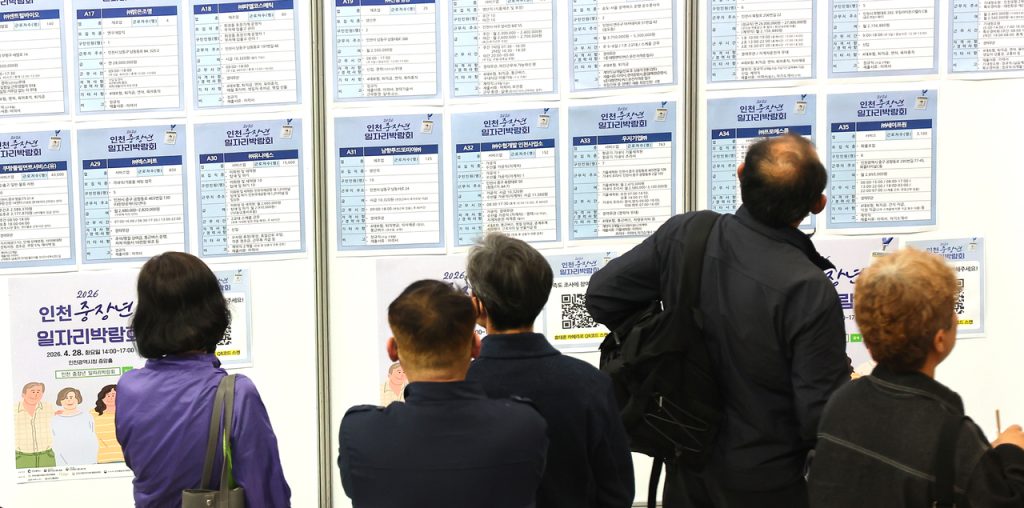
In a separate announcement, the Ministry of Finance and Economy outlined government plans to implement tailored support measures aimed at bolstering job security for both young people and senior citizens.
The finance ministry emphasized its commitment to “closely monitor employment conditions within the private sector and develop proactive countermeasures to address industrial transitions, particularly those driven by the adoption and advancement of artificial intelligence technology.”
Furthermore, the finance ministry indicated that initiatives such as cash handouts designed to alleviate the financial burden on citizens impacted by soaring fuel prices, alongside other projects outlined in the supplementary budget, are anticipated to contribute positively to future employment figures.