South Korea’s leading convenience store chains achieved unprecedented quarterly revenue in the first quarter, strategically prioritizing enhanced profitability over aggressive expansion in an environment of high inflation. This strong performance underscores their resilient business models.
BGF Retail, the operator behind the popular CU convenience stores, announced a revenue of 2.12 trillion won ($1.44 billion), marking a 5.2 percent increase year-over-year. Even more impressively, its operating profit surged by a remarkable 68.6 percent to 38.1 billion won, highlighting significant operational efficiency improvements.
The company attributed this robust financial outperformance to its successful range of popular exclusive products and more streamlined store operations. Notably, private label brands and innovative dessert items, such as the distinctive Dubai-style chewy cookies and butter rice cakes, along with a focus on affordable meal options, resonated strongly with consumers.
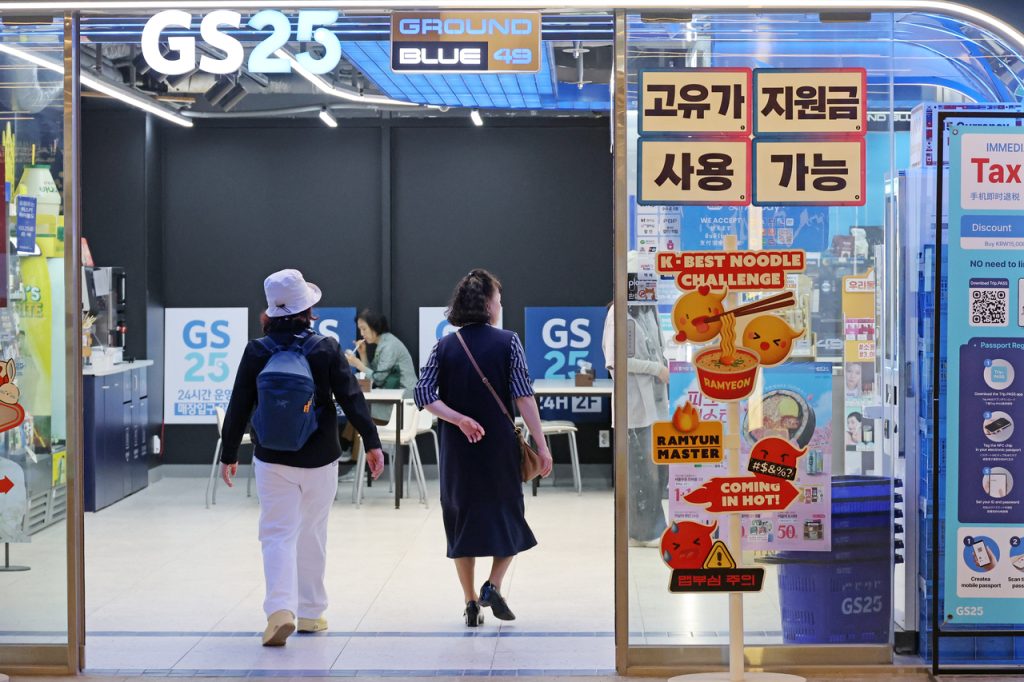
CU has strategically continued to roll out specialty stores, adopting a more selective approach. These outlets are specifically designed for high-traffic locations and cater to younger shoppers and foreign visitors, offering concepts centered around running, specialized ramyeon, and unique desserts.
However, industry officials cautioned that a recent trucking union strike could impact this positive momentum. They anticipate potential pressure on both revenue and profit margins, which may extend into the second-quarter earnings report.
In response to the disruption, BGF Retail promptly announced compensation measures, offering up to 1 million won per store to cover inventory shortages and losses from disposals caused by the strike.
Meanwhile, GS25 also reported strong Q1 results, with revenue climbing 3.7 percent to 2.09 trillion won. Operating profit for the chain rose 23.8 percent to 21.3 billion won. This growth was driven by a focused strategy of closing underperforming outlets and strategically relocating others to prime commercial areas, optimizing its retail footprint.
GS25 further boosted its performance through an array of exclusive merchandise and engaging pop culture collaborations, including notable tie-ins with chefs featured on Netflix’s “Culinary Class Wars.” Its specialized fresh-food-focused stores, which totaled 836 by the end of the first quarter, proved highly successful, generating daily sales approximately 1.6 times higher than standard outlets.
A significant uplift also came from foreign tourists, with sales to international visitors experiencing a substantial 73 percent year-over-year increase, reflecting growing international interest in Korean convenience offerings.
As both major chains now look towards their next phase of expansion and innovation, increasing attention is being placed on integrating unique content strategies into their operations.
An industry expert noted, “The evolving challenge for convenience stores is to transform into distinctive retail platforms that seamlessly blend artificial intelligence with engaging content, redefining the customer experience.”