
Coinbase Singapore Head: Won Stablecoins Best Positioned for Korean Domestic Payments, Not Global Dollar Token Rivalry
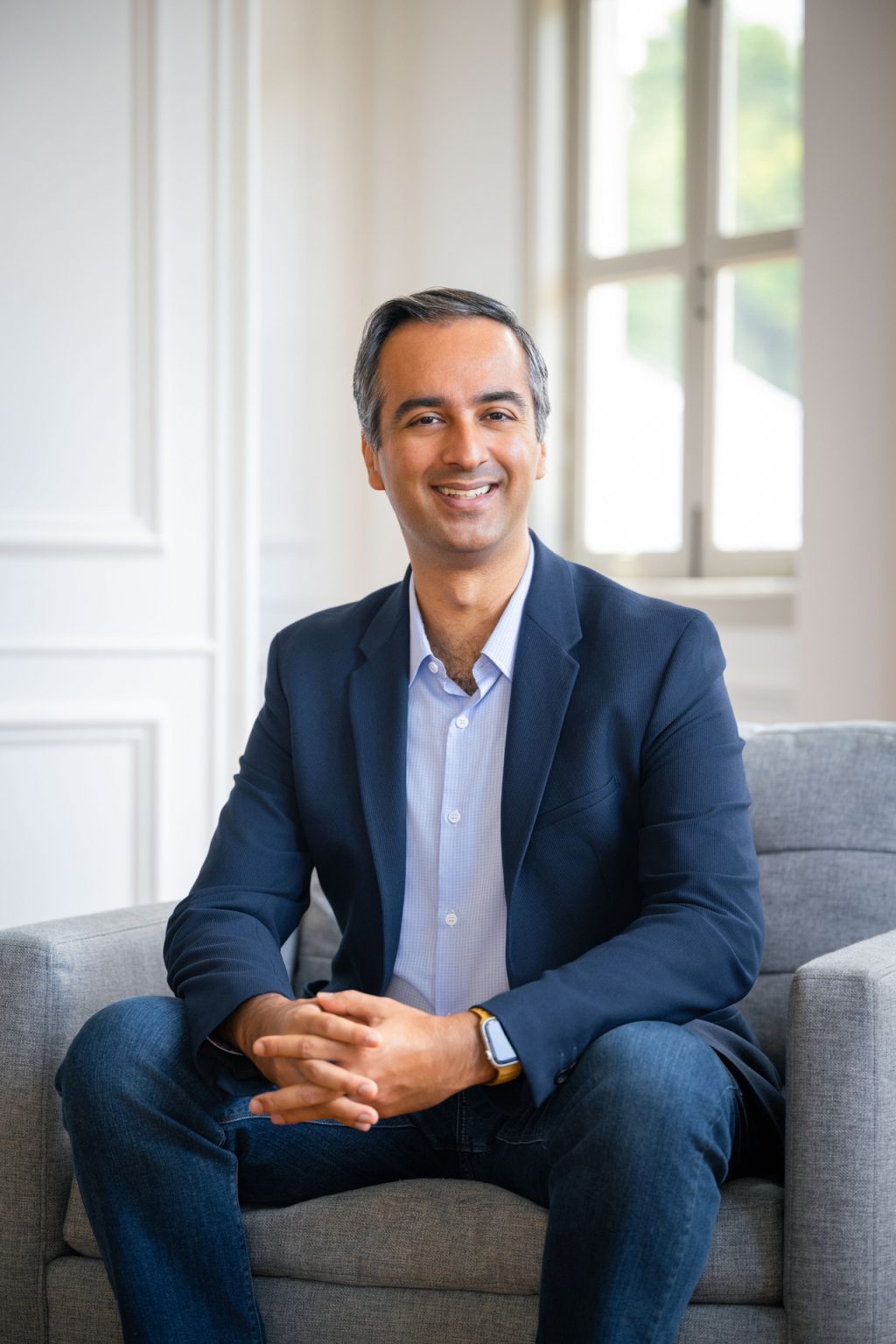
Won-backed stablecoins are poised to revolutionize domestic payment infrastructure in Korea, rather than directly challenging dominant dollar-denominated tokens in cross-border settlements. This perspective comes from Hassan Ahmed, Singapore Country Director at Nasdaq-listed US cryptocurrency exchange Coinbase, highlighting a crucial distinction in the evolving Korean stablecoin market.
In a recent exclusive interview with The Korea Herald, Ahmed stated, “Instead of competing head-to-head, a Won-backed stablecoin is more likely to forge a unique growth path in the near term, capitalizing on its inherent domestic advantages.” He added, “A more effective strategy could be to position it alongside dollar stablecoins, where each fulfills distinct yet complementary functions within the broader digital asset ecosystem.”
Ahmed’s insights address a core point of contention within Korea’s ongoing stablecoin debate. Policymakers are actively deliberating whether these Won-pegged tokens can modernize existing payment systems or inadvertently facilitate an easier transition into dollar-denominated stablecoins. Simultaneously, major banks, fintech innovators, and digital asset exchanges are gearing up for forthcoming regulatory frameworks, shifting the discourse from mere crypto-market speculation to fundamental questions of digital money issuance and its integration with the traditional banking system in Korea.
The Bank of Korea (BOK) has previously urged a cautious approach. Former Governor Rhee Chang-yong acknowledged potential benefits of Won-based stablecoins last year but warned that streamlined conversion between Won and dollar tokens could inflate demand for dollar stablecoins, potentially complicating critical foreign exchange (FX) management. Senior Deputy Governor Ryoo Sang-dai further advised a gradual introduction of Won-denominated stablecoins, ideally commencing with tightly regulated commercial banks to ensure stability and oversight.
This concern surrounding capital flows and dollar demand is particularly acute in Korea, a nation where authorities meticulously monitor the Won’s vulnerability to global risk sentiment shifts. This also intensifies a central policy dilemma for Korean stablecoin regulation: should issuance be initially restricted to banks, as the BOK suggests, or eventually broadened to include fintech firms and digital asset exchanges, fostering wider innovation?
While acknowledging these risks, Ahmed emphasized that potential downsides for non-dollar stablecoins are frequently overstated. Data from the Bank for International Settlements indicates that dollar-denominated tokens still command approximately 98 percent of the global stablecoin market, with their real-economy payment utility remaining limited. This context suggests that local-currency tokens are far from achieving the scale necessary to materially impact national currency stability, especially for a currency like the Korean Won.
According to Ahmed, the primary function for a Won-backed stablecoin would undoubtedly be within Korea’s borders. It would aim to enhance payment efficiency and bolster financial use cases where the Won naturally holds an advantage. However, successful commercialization will depend less on raw demand and more on Korea’s ability to construct robust regulatory frameworks and institutional rails essential for mainstream digital payments and secure settlement.
The current market landscape underscores this urgency. Even after an 8 percent decline in the latter half of the year, Korea’s virtual asset market capitalization reached a substantial 87.2 trillion Won (approximately $59 billion) by the end of 2025, according to data from the Financial Services Commission. Average daily crypto transactions surged to 5.4 trillion Won, representing roughly one-third of the Kospi’s average daily trading value during the previous year. Furthermore, market users expanded to around 11.13 million, and Won deposits into crypto platforms impressively jumped 31 percent to 8.1 trillion Won.
“Korea faces the unique challenge of high retail enthusiasm and rapid market growth, juxtaposed with institutional frameworks that are still under development,” Ahmed noted. “This disparity must be bridged before the widespread commercialization of Won stablecoins can genuinely take hold.”
Ahmed reiterated that while these impressive figures undeniably showcase Korea as a prime market for stablecoins, demand alone is insufficient to guarantee their successful integration.
“The paramount obstacle remains trust infrastructure,” Ahmed asserted. “Institutions require unequivocal clarity on regulatory standards, risk parameters, and settlement finality before they commit significant capital.” This necessitates comprehensive rules addressing stablecoin issuer eligibility, backing asset requirements, redemption terms, custody standards, and the extent to which issuers will face bank-like supervision in Korea.
This framing illuminates Korea’s critical policy decision. If Won-backed stablecoins are formally recognized as essential payment and settlement infrastructure, future regulation will likely prioritize aspects such as reserve requirements, transparent redemption processes, stringent issuer eligibility, and robust settlement safeguards. Conversely, if they are perceived merely as private money experiments, the debate could intensify, encompassing broader implications for bank funding, national monetary policy, and the role of non-bank entities in issuance.
Leading Korean financial institutions and prominent platform companies are already strategically positioning themselves for this anticipated regulated stablecoin market. Naver Financial’s proposed acquisition of Dunamu, the operator of Korea’s largest crypto exchange Upbit, would consolidate one of the nation’s dominant payment platforms with its leading digital asset exchange. Concurrently, Hana Financial Group has aggressively expanded its digital asset partnerships with global players including Standard Chartered, Dunamu, and Circle, spanning initiatives from stablecoin payments and cross-border remittances to a wider array of digital asset services.
Ahmed suggested that Korea’s early market positioning mirrors Singapore’s successful stablecoin development path. Singaporean regulators allowed for innovation and experimentation while progressively establishing formal regulatory guidelines. The Monetary Authority of Singapore (MAS) finalized its comprehensive stablecoin framework in 2023 to ensure value stability for regulated tokens. However, Korea’s distinct retail-heavy crypto market and sensitivity to foreign exchange fluctuations present unique challenges requiring tailored solutions.
“This approach demonstrates that development can effectively proceed in parallel with regulatory evolution, rather than awaiting a fully settled and complete regulatory regime,” Ahmed concluded, offering a forward-looking perspective for the Korean market.
For Korea, the fundamental question transcends mere permission for Won-backed stablecoins; it delves into whether they can be seamlessly integrated into the existing, regulated financial system, or if they will emerge as a parallel and potentially disconnected form of private digital money.
“Stablecoins are not designed to replace traditional currency,” Ahmed clarified. “Instead, they enhance currency by making it programmable, more cost-effective to transfer, and simpler to settle, thereby synergizing with current payment rails rather than creating competition.”
jwc


