Illegal Tesla FSD Activations Surge in South Korea Amidst Strict Eligibility Rules
Tesla owners in South Korea are increasingly engaging in unauthorized attempts to activate the Full Self-Driving (FSD) feature, circumventing regulations that strictly limit its availability to only US-manufactured Tesla models.
New data released on Monday by Rep. Park Yong-gap of the ruling Democratic Party of Korea, a key member of the National Assembly’s Land, Infrastructure and Transport Committee, reveals a concerning trend: 85 cases of attempted unauthorized FSD activation were recorded by April 28.
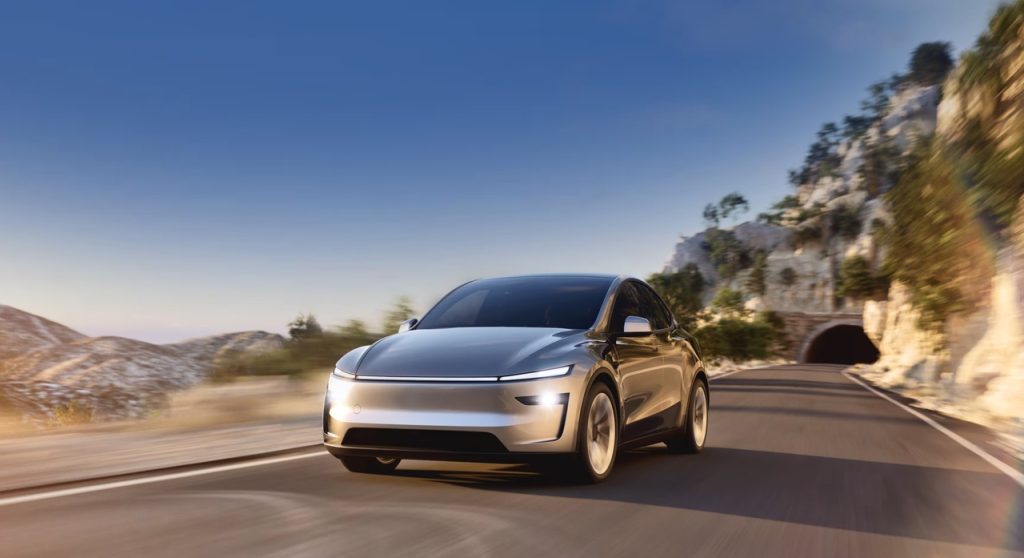
Under current South Korean regulations, the advanced FSD capability is exclusively permitted in Tesla models produced in the United States. This includes premium vehicles like the Model S, Model X, and the Cybertruck, which benefit from specific exemptions from local certification requirements due to the Korea-US free trade agreement.
Conversely, Tesla models assembled in China, which impressively constitute over 90 percent of all Tesla sales within the South Korean market, are not eligible for the FSD feature.
Consequently, out of 180,684 Teslas registered across the nation, a mere 4,292 vehicles — approximately 2.4 percent — can legally utilize Full Self-Driving. This exclusive group comprises 2,708 Model X units, 1,193 Model S vehicles, and 391 Cybertrucks.
Despite these clear restrictions, reports indicate that some determined owners are attempting to enable FSD using unofficial external devices or by modifying vehicle source code. They are exploiting the shared hardware architecture present in both US- and China-built Tesla models.
Such actions constitute a serious violation of the Automobile Management Act, which strictly prohibits any unauthorized software modifications to vehicles that could compromise safety. Offenders face severe penalties, including potential imprisonment for up to two years or substantial fines reaching up to 20 million won (approximately $13,600 USD).
Kim Pil-su, an esteemed automotive engineering professor at Daelim University, suggests that this issue also highlights a significant pricing disparity between the different Tesla models.
“US-manufactured Teslas typically carry a price tag roughly 20 million won higher than their China-made counterparts, and owners must then invest an additional 8 to 9 million won to access the FSD feature,” Professor Kim explained. “It appears that some drivers of China-built models are seeking to acquire this sought-after feature without incurring these substantial additional costs.”
In response to these illegal activities, the Land Ministry has formally referred relevant cases to the police for investigation. Furthermore, Tesla Korea has actively issued software updates aimed at blocking unauthorized FSD access. However, industry officials caution that these reactive measures often have limited effectiveness.
Enforcement efforts are further complicated by existing privacy laws, which restrict authorities’ ability to access individual vehicle data. This makes the identification and prosecution of such violations particularly challenging.
Rep. Park Yong-gap emphasizes the urgent need for robust legislative measures, as vehicle software manipulation continues to grow in sophistication.
“As the adoption of electric vehicles and autonomous driving technologies expands rapidly, attempts to illegally manipulate vehicle software are highly likely to escalate,” Park stated. “Current reactive measures, such as post-facto investigations and remote blocking, clearly demonstrate their limitations, underscoring the critical need for comprehensive institutional reform.”
hyejin2