
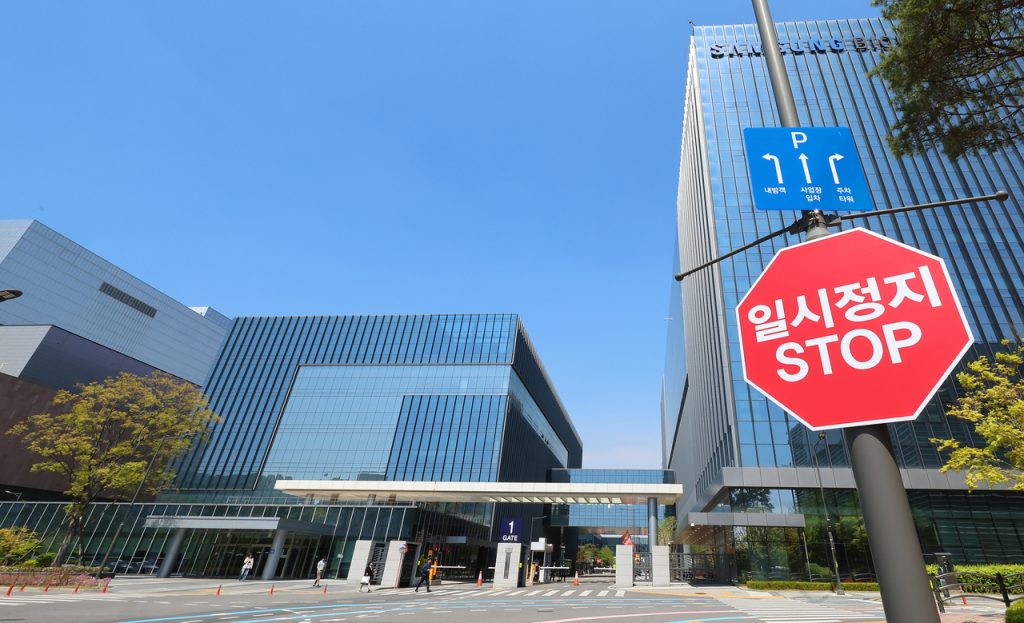
Unionized workers at Samsung Biologics, a prominent biopharmaceutical contract development and manufacturing organization (CDMO) and a key biotech affiliate of Samsung Group, have initiated a five-day general strike. This industrial action, which began on Friday, aims to secure higher wages and expanded performance-based compensation for employees.
This significant walkout marks the first labor strike in the company’s history since its establishment in 2011, highlighting escalating tensions over pay disputes.
Samsung Biologics has stated that it is mobilizing all available personnel to mitigate disruptions to its critical manufacturing operations. However, the company acknowledges that some impact on production and services may be unavoidable due to the ongoing strike.
The biopharmaceutical giant estimates that potential losses stemming from a full-scale strike could exceed 640 billion won (approximately $433 million). This figure represents roughly half of its impressive first-quarter sales, which amounted to 1.26 trillion won, underscoring the substantial financial repercussions of the industrial action.
The union’s demands are comprehensive, calling for a 14 percent increase in both base salary and performance-related pay. Additionally, they seek a one-off cash incentive of 30 million won per worker and bonuses equivalent to 20 percent of the company’s annual operating profit.
In contrast, Samsung Biologics has put forward a proposal for a combined 6.2 percent increase in base and performance pay, a figure significantly lower than the union’s demands.
Despite 13 rounds of intensive negotiations held between December and March, both sides have failed to bridge the considerable differences in their proposals, leading to the current impasse and strike.
Adding a legal dimension to the dispute, Samsung Biologics filed for a court injunction last month to prevent the planned industrial action. The court partially granted the request, imposing restrictions on strike activities across three of the company’s nine vital production stages, while permitting the union to proceed with the strike in the remaining six segments.
The company promptly appealed this ruling, signaling its intent to further challenge the scope of the strike.


