AliExpress, Temu Drive C-Commerce Surge in South Korea as K-Sellers Explore Global Cross-Border Channels
Chinese e-commerce platforms, often termed C-commerce, are rapidly expanding their influence within South Korea’s competitive retail landscape. This surge is fueling a cross-border price war, significantly impacting Korean households grappling with economic pressures.
Leading this robust expansion are AliExpress and Temu, which have rapidly climbed to become some of the largest e-commerce platforms by user base in the Korean market.
Recent data from WiseApp Retail highlights their impressive growth. During the first quarter of the year (January-March), AliExpress reported 8.57 million monthly active users, while Temu closely followed with 8 million monthly active users.
These figures demonstrate that, with the exception of local giant Coupang, both Chinese platforms have surpassed many established domestic players. For instance, 11street recorded 7.7 million users, Naver’s Plus Store had 7.52 million, and Gmarket registered 6.9 million. Together, AliExpress and Temu command a combined 16.5 million users, representing approximately half the market reach of Coupang, which currently leads with 33.25 million users.
Further emphasizing their market traction, Temu topped all shopping apps in March with 749,320 new installations, according to IGAWorks’ Mobile Index. In comparison, Naver Plus Store was the leading domestic platform with 674,100 installs, and AliExpress added 369,020 new users.
Industry experts attribute this growing market penetration to a significant shift in consumer behavior. Elevated inflation rates are increasingly eroding household budgets, compelling shoppers to prioritize practical, value-driven purchases over discretionary spending.
Statistics from the Ministry of Data and Statistics reveal that inflation-adjusted average monthly consumption spending in South Korea decreased by 0.4 percent last year. This marks the first annual decline in five years since 2020, even as nominal spending showed an increase.
One industry official remarked, “As affordability becomes a paramount factor in purchasing decisions, a growing number of consumers are gravitating towards low-cost Chinese e-commerce platforms.”
Moreover, the rise of these platforms is significantly propelled by younger consumers, who are highly attuned to both pricing and evolving trends.
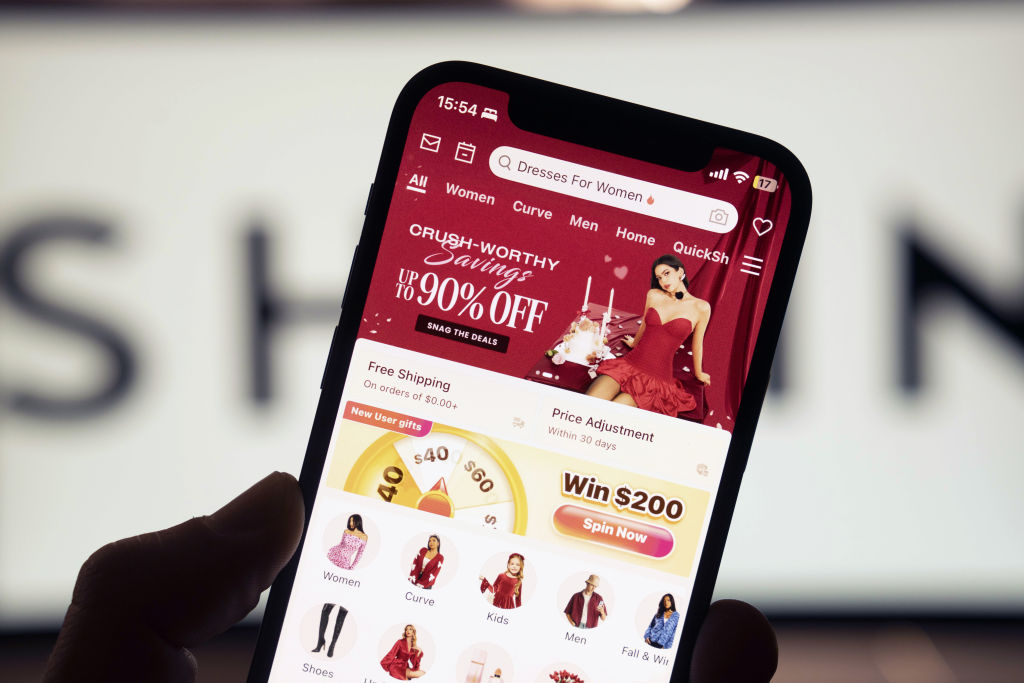
This trend is particularly evident within the fashion sector. Chinese online fashion retailer Shein, for example, saw its user base among those in their 20s and 30s nearly triple to 1.22 million in January compared to the previous year, according to WiseApp Retail. This shift is already reflected in trade data, with imports of Chinese clothing reaching a record $4.89 billion last year, an 8.1 percent increase year-on-year.
“With less brand loyalty and a greater willingness to adopt new digital platforms, consumers in their 10s and 20s can rapidly reshape market dynamics as trends evolve,” an industry source commented. “Any platform that fails to innovate alongside consumer demands risks losing market share to emerging competitors.”
Chinese E-commerce Platforms Offer Global Market Gateways for Korean Sellers
While the expanding presence of Chinese platforms in South Korea might seem like a one-sided market shift, these platforms are also increasingly serving as vital conduits connecting Korea’s robust e-commerce ecosystem to broader international markets.
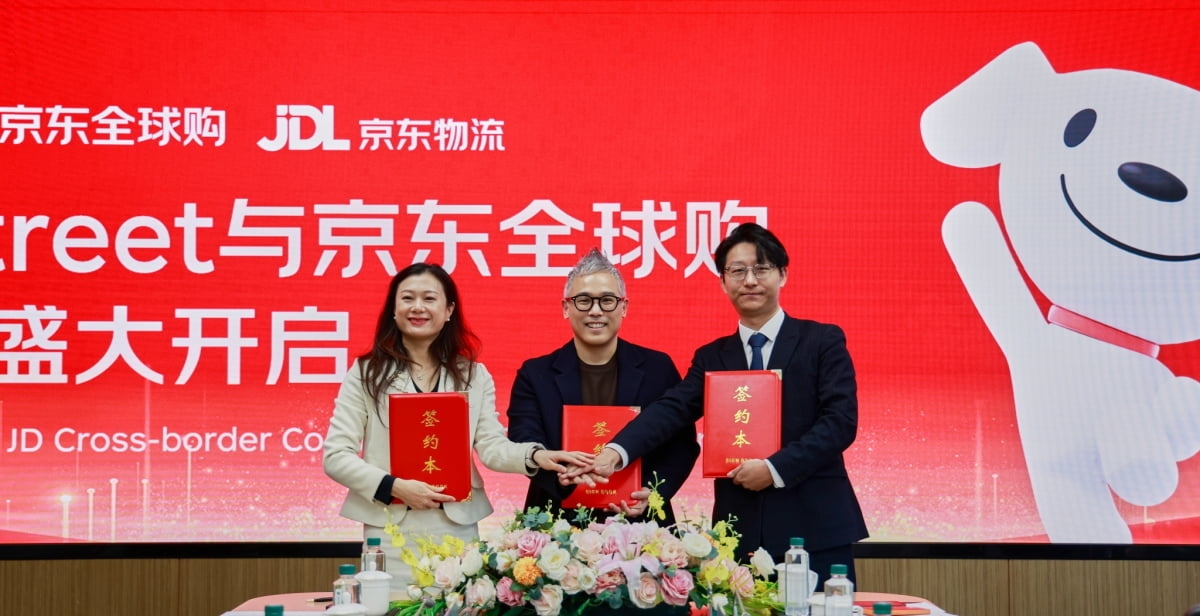
A recent collaboration between JD.com and 11street exemplifies this trend. This partnership enables Korean sellers to list their products on JD Worldwide, JD.com’s dedicated cross-border platform. JD Logistics handles the entire fulfillment process, from warehousing to delivery. This integrated approach allows Korean brands, particularly those in fashion and beauty, to concentrate on product innovation and competitiveness as their goods reach a global audience.
During an export consultation session in March, Kim Min-hwa, head of JD.com Korea, stated, “Through our Korean subsidiary, we are committed to actively supporting the export of Korean brands to China using a direct sourcing model.”
A similar strategy is being implemented by Gmarket, which is leveraging Alibaba’s extensive global platforms, including Lazada, to boost its cross-border sales capabilities. In March, Gmarket participated in a trade plaza in China, hosting export consultations for numerous Korean firms. Participating companies showed significant interest in Gmarket’s streamlined onboarding process, integrated logistics solutions, and localized marketing expertise.
However, some industry observers caution that such partnerships could introduce long-term risks for Korean businesses.
While these collaborations undeniably provide access to powerful global logistics networks and vast overseas demand, they could inadvertently foster a dependence that might erode bargaining power concerning fees and data utilization, as highlighted by one industry official.
The official emphasized, “It appears crucial for Korean companies to strategically utilize Chinese e-commerce platforms as a launchpad for global expansion, all while maintaining strong strategic control and proactively developing their own independent overseas networks.”