South Korea’s Financial Services Commission (FSC) on Friday unveiled an extensive 80 trillion won ($54 billion) support package designed to bolster the domestic steel industry. This crucial initiative aims to mitigate the economic repercussions of the ongoing Middle East crisis, preventing its ripple effects from impacting other vital sectors like machinery and electronics.
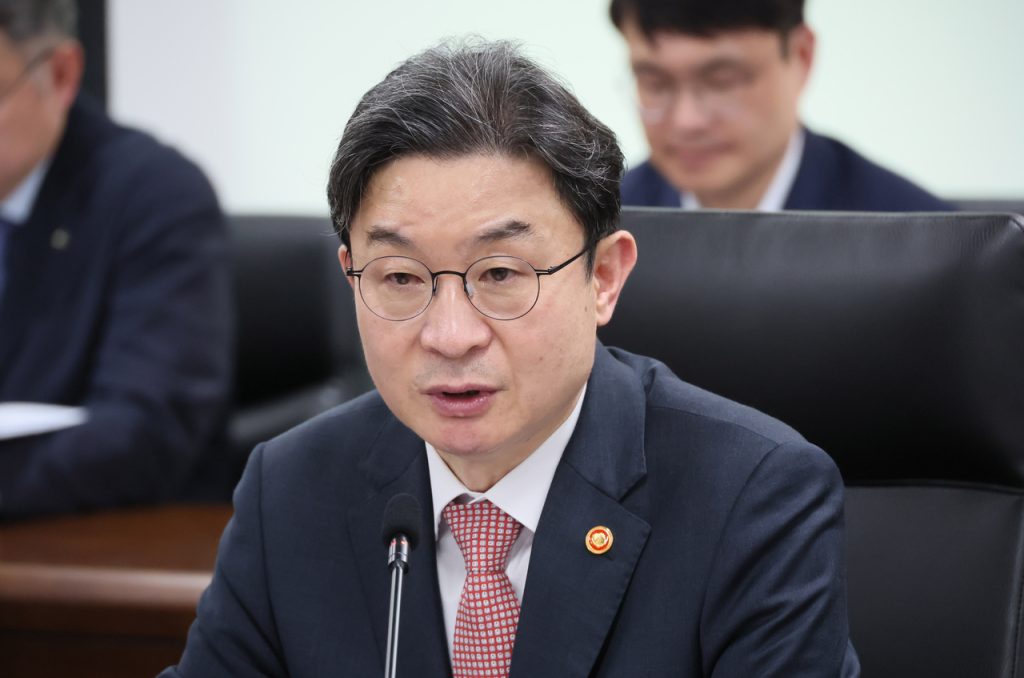
FSC Chairman Lee Eog-weon spearheaded the discussions, convening with key steel industry executives and representatives from leading financial institutions, including state-backed lenders and commercial banks. This meeting marked the third in a series of targeted sessions focused on comprehensively assessing the crisis’s impact and strategically coordinating robust response measures across various sectors.
Chairman Lee articulated the pressing challenges faced by the industry, stating, “The recent Middle East crisis is intensifying pressure on the steel sector, with escalating logistics costs, persistent supply chain disruptions, and new tariff policies in the US and EU further increasing the burden.” He underscored the gravity of the situation, adding, “We gravely consider the risk that this impact could extend beyond the steel industry to critical downstream sectors, potentially initiating a widespread economic chain reaction.”
This comprehensive financial package allocates 25.6 trillion won in direct support from policy lenders, a provision significantly expanded under the nation’s recent supplementary budget. Additionally, over 53 trillion won in financing will be mobilized from the private sector to substantially bolster lending opportunities for businesses impacted by the crisis. Officials affirmed that the program’s scale and scope retain flexibility, allowing for expansion based on evolving industry demand.
Furthermore, the South Korean government is actively implementing measures to alleviate refinancing pressures within the bond market. Effective this month, specific terms for Primary-Collateralized Bond Obligations (P-CBOs) will be adjusted. Small and medium-sized enterprises (SMEs) affected by the Middle East crisis will benefit from reduced repayment ratios and modified subordinated underwriting ratios when rolling over their P-CBOs, which are crucially backed by the Korea Credit Guarantee Fund.
This targeted intervention is particularly relevant given government estimates that approximately 370 billion won of the 900 billion won in P-CBOs maturing within the next year for crisis-affected SMEs are directly linked to the steel and related industries, highlighting the sector’s significant exposure.
Commencing in June, the Korea Credit Guarantee Fund will further streamline support by directly issuing P-CBOs, a move anticipated to reduce corporate issuance costs by approximately 50 basis points, thereby enhancing financial accessibility for businesses.
Beyond immediate aid, the FSC confirmed its commitment to long-term economic resilience, announcing significant investment in business restructuring and balance sheet enhancements across six pivotal industries. These include steel, petrochemicals, semiconductors, automobiles, displays, and secondary batteries. This strategic support will be channeled through the sixth Corporate Restructuring Innovation Fund, a substantial 1 trillion won initiative scheduled to commence operations this month.
jwc