
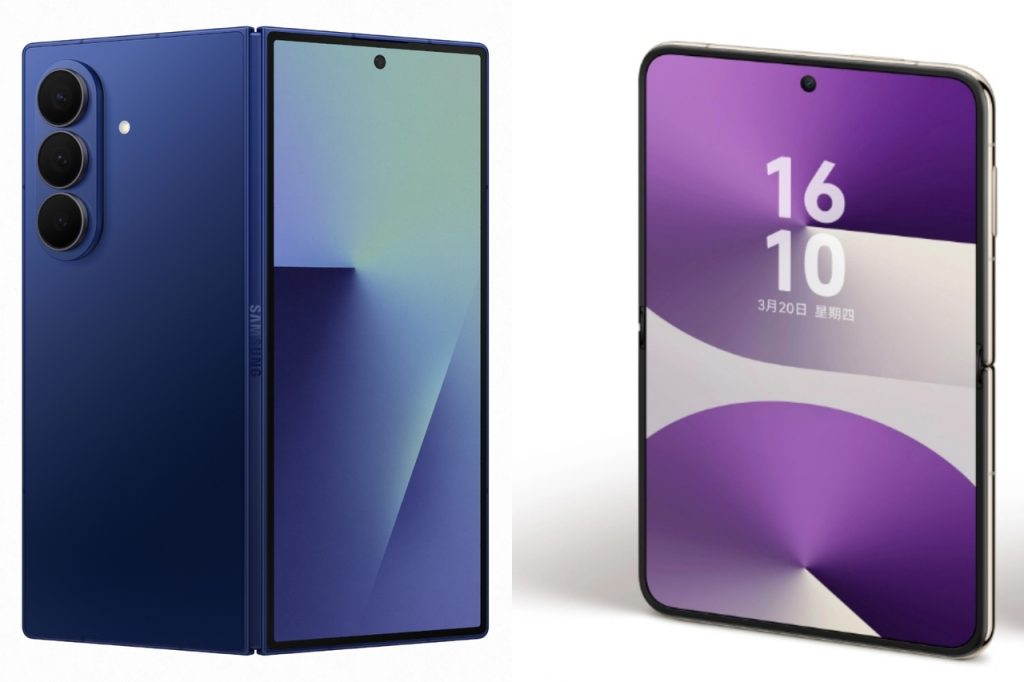
Foldable Phone Wars: Samsung, Huawei Push Tablet-Style Designs as Apple Targets Crease-Free Display
The anticipated launch of Apple’s wide-format, tablet-style foldable iPhone this fall is poised to ignite a new era of intense competition within the foldable smartphone market. Key rivals, including Samsung Electronics and Huawei, are actively developing similar groundbreaking devices to challenge the Cupertino tech giant’s entry into this innovative segment.
Industry sources reveal that Samsung Electronics is preparing to unveil its latest foldable lineup at the highly anticipated Galaxy Unpacked event in London this July. This launch is expected to introduce the next-generation Galaxy Z Fold8 and Galaxy Z Flip8, alongside a groundbreaking new foldable model, tentatively dubbed the ‘Z Wide Fold,’ signaling Samsung’s commitment to advancing foldable phone technology.
The innovative Z Wide Fold is designed with a distinctive 4:3 aspect ratio for its internal display, aiming to provide an optimized user experience. When folded, the device’s screen is projected to measure approximately 5.4 inches, expanding to a substantial 7.6 inches when fully opened. Furthermore, this new Samsung foldable is rumored to achieve an ultra-slim profile of around 4 millimeters, making it roughly 0.5 millimeter thinner than current iPhone models and highlighting advancements in foldable phone engineering.
Not to be outdone, Huawei is also gearing up to launch its own cutting-edge foldable device, provisionally named the Pura X2. This launch will reportedly include a model designed to rival Apple’s developing foldable iPhone. Moving beyond its predecessor’s vertically folding Pura X design, the new Huawei foldable is set to feature a horizontally expanding format, delivering a significantly wider screen experience that could be comparable to an iPad.
While detailed hardware specifications for the new Huawei Pura foldable model remain under wraps, the Chinese tech giant is anticipated to heavily emphasize its distinctive exterior design as a primary competitive differentiator. In contrast to Apple’s foldable iPhone, which is largely expected to offer traditional, subdued color choices like black and white, Huawei aims to capture consumer attention with a vibrant palette, potentially including striking orange and purple options for its next-gen foldable.
Apple is widely projected to unveil its highly anticipated foldable iPhone, tentatively known as the “iPhone Fold,” during its significant September product launch event. When unfolded, this innovative device is expected to boast a wide display ratio, mirroring a tablet and placing its design closer to the popular iPad Mini. A key focus for Apple is addressing the persistent issue of the screen crease, a drawback frequently highlighted in current foldable devices, aiming for a truly crease-free display experience.
Currently, the foldable smartphone market constitutes a nascent segment, representing only about 2.5 percent of the overall smartphone market. However, industry analysts predict that Apple’s entry with a wide-format foldable device will significantly expand the product offerings and drive substantial growth in market share. Smartphone manufacturers, particularly Samsung, harbor strong expectations for the positive impact of Apple’s arrival in this burgeoning segment, signaling a potential boom for foldable technology.
“The adoption of wider foldable formats stems from the conviction that they provide a profoundly richer and more immersive user experience when the device is fully unfolded, offering enhanced productivity and entertainment,” an anonymous industry source commented.
The source further elaborated that “this strategic expansion into advanced foldable models also represents a concerted effort by smartphone manufacturers to solidify technological advantages in next-generation form factors and to decisively secure a leadership position within the competitive global market.”
yeeun


