Introduction Seoul boasts one of the best public transport systems in the world. It’s clean, safe, affordable, and punctual. However, the sprawling network can be intimidating at first. This guide will turn you into a Seoul commuter pro in no time.
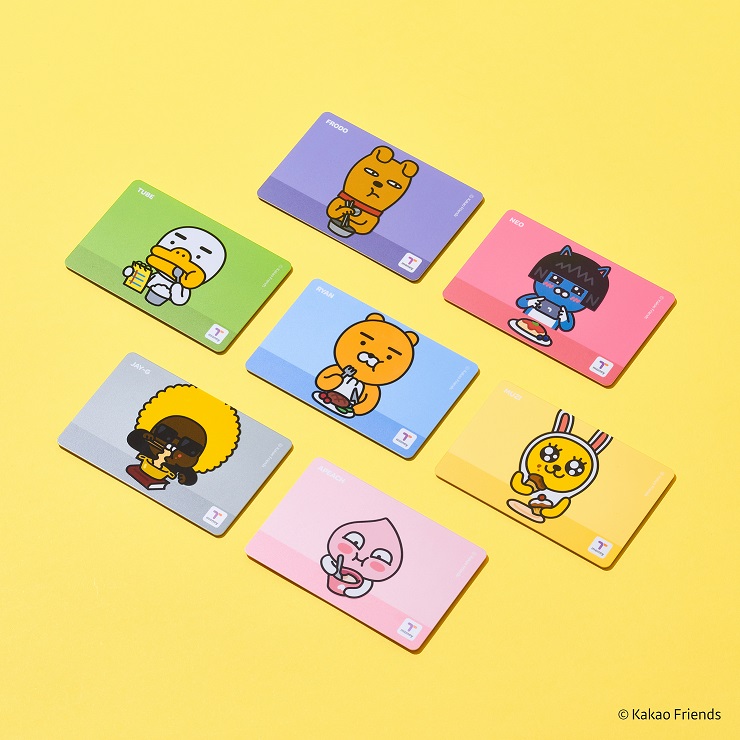
1. The Golden Rule: Get a T-Money Card Before you do anything else, buy a T-Money card.
- What is it? A reloadable transportation card used for subways, buses, and even taxis nationwide.
- Where to buy/reload? Any convenience store (CU, GS25, 7-Eleven) or subway station vending machines. The card itself costs roughly 3,000 KRW (cash only).
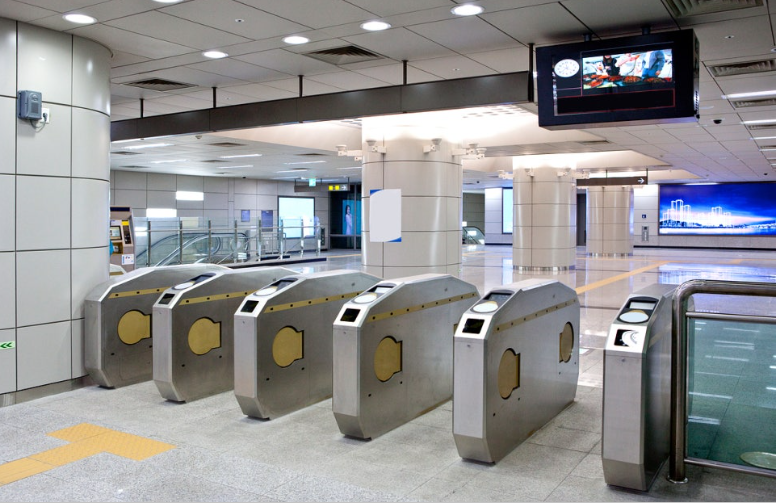
- How to use: Tap your card on the sensor when entering AND exiting the subway or bus.
- Pro Tip: Failing to tap out on a bus can result in being charged double the fare on your next ride.
2. The Subway System
- It’s the fastest way to travel. Lines are color-coded and numbered. Signs are in English, Korean, and Chinese.
- Navigation: Download Naver Map or KakaoMap (Google Maps doesn’t work well for walking/transit directions). These apps tell you exactly which train car is closest to your transfer exit.
- Etiquette: Do not sit in the priority seats at the ends of carriages (for elderly/pregnant), even if they are empty.
3. City Buses
- Buses are great for short distances or seeing the city view.
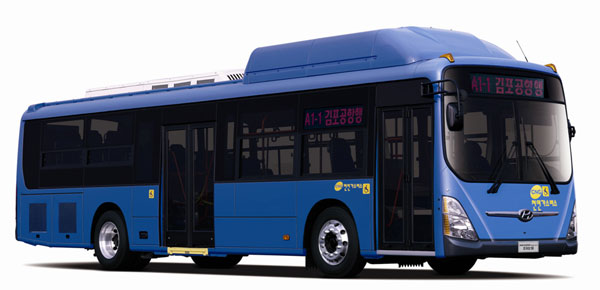
- Colors matter: Blue (main roads), Green (shorter distances connecting to subways), Yellow (circulates downtown districts).
- Remember to tap on when boarding at the front and tap off when exiting at the back.
4. Taxis & Ride-Sharing
- Taxis are relatively affordable. You can hail them on the street (look for a red “빈차” light, meaning empty).
- Colors: Silver/Orange are standard taxis. Black are “Deluxe” taxis (more expensive, better service).
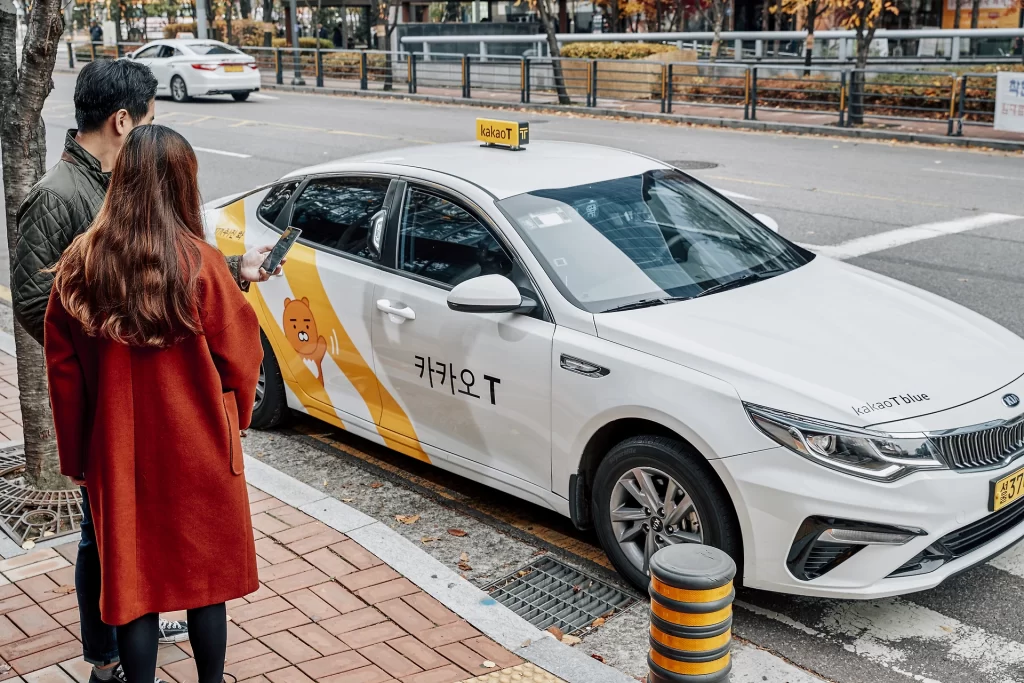
- Apps: Uber is available but limited (calls local taxis). The local champion is Kakao T. You can use it without a Korean phone number, and you can select “Pay to driver” if you don’t have a Korean card linked.