
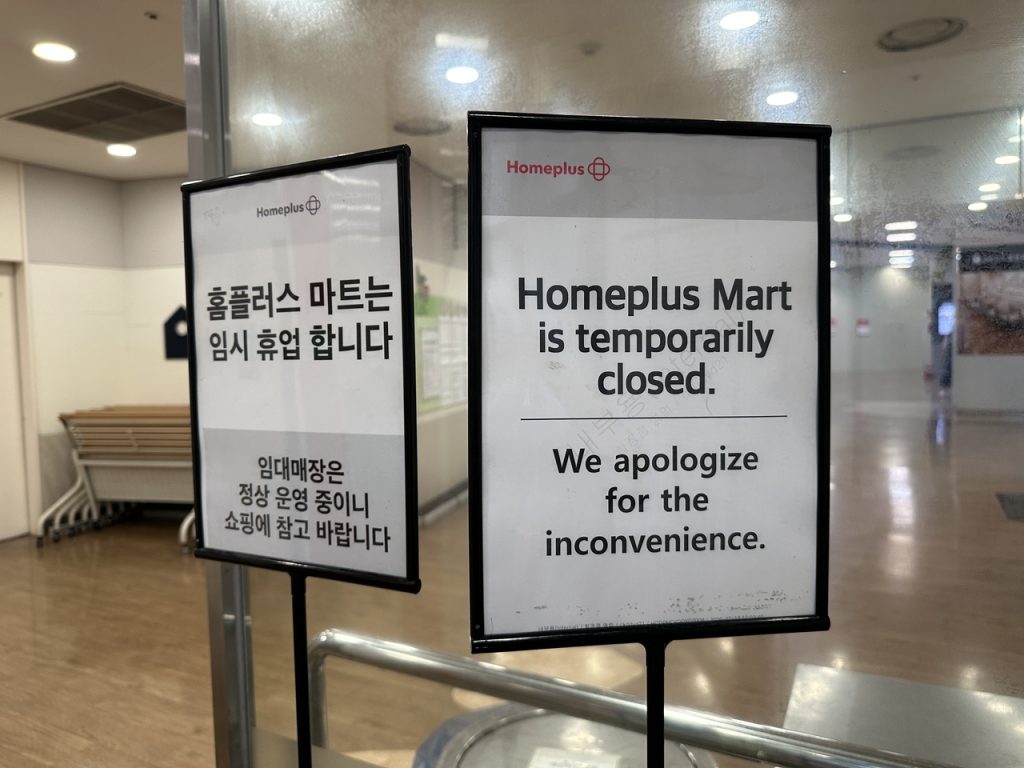
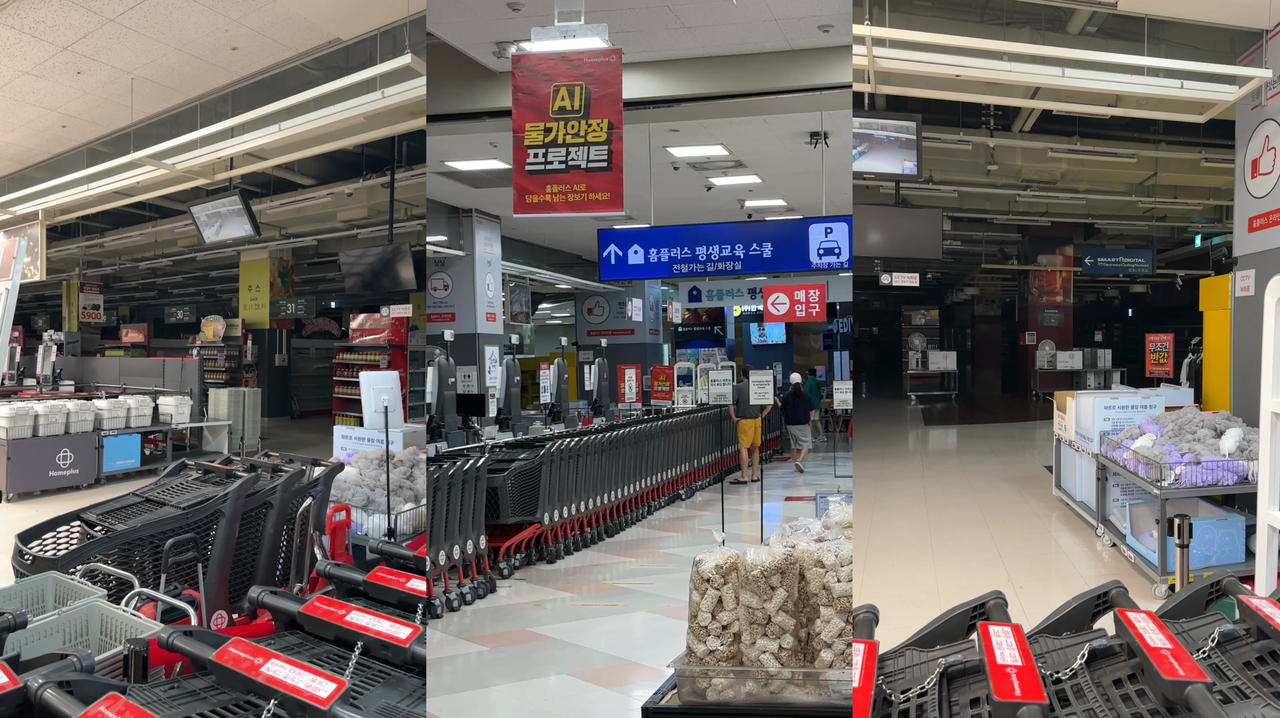
Despite banners proclaiming “We are open as usual,” the reality within Homeplus stores is starkly different. The once bustling aisles, where shopping carts rattled and checkout counters buzzed, now sit eerily silent, a stark symbol of halted operations across the prominent South Korean hypermarket chain.
Just steps away, at Homeplus’ associated culture centers, employees are engaged in a relentless stream of phone calls, informing patrons, “Hello, you heard we’re closed today, right?” Classes, once a regular fixture, are now indefinitely suspended, reflecting the widespread disruption.
This temporary shutdown, occurring nearly three decades after Homeplus launched its first store in 1997, has brought daily routines — from cultural classes to essential family grocery shopping — to an abrupt halt. The uncertainty looms large for thousands of employees, suppliers, and loyal customers, all questioning if the hypermarket doors will ever truly reopen.
Understanding the Crisis: How South Korea’s Homeplus Faced Suspension
The roots of this profound crisis extend back years. Homeplus, a key player in the South Korean hypermarket sector, initially grappled with the broader industry trend of consumers migrating to online grocery platforms and rapid delivery services. However, its struggles intensified due to severe financial pressures, culminating in court-led rehabilitation proceedings initiated in March 2025.
Just this month, the Seoul Bankruptcy Court officially terminated these rehabilitation proceedings. This drastic decision followed Homeplus’s inability to secure the critical 200 billion won ($134 million) required for its proposed restructuring plan.
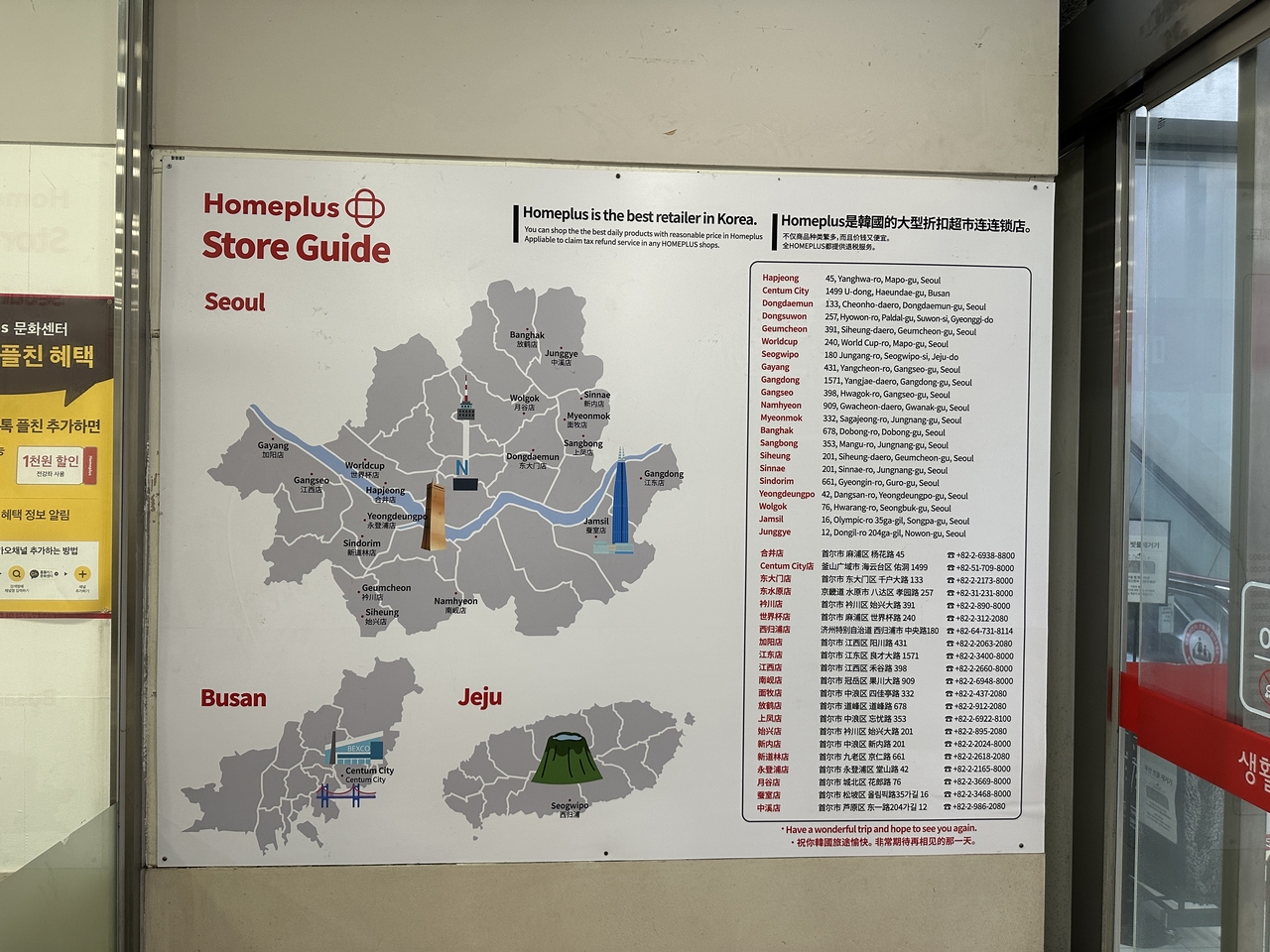
Consequently, on Sunday, Homeplus declared the temporary suspension of all operations at its headquarters and 67 hypermarket branches, citing exhausted funds necessary for supplier payments and daily operational maintenance.
In a desperate bid for survival, Homeplus is now actively seeking an emergency 200 billion won loan from its primary creditor, Meritz Financial Group. Simultaneously, the company is preparing an immediate appeal to challenge the court’s recent ruling.
The critical deadline looms on July 20.
By this pivotal date, Homeplus must not only present a viable funding plan but also formally file its appeal to have the rehabilitation process reinstated. The company has stated that a decision on whether its stores can reopen hinges on an assessment of its financial standing and the outcomes of court proceedings by this date.
Should Homeplus successfully acquire new capital and reactivate the rehabilitation process, it would gain a crucial second opportunity to implement its restructuring efforts.
However, failure to meet these requirements could push the major South Korean retailer closer to liquidation. This grim prospect would entail the sale of its assets to repay creditors, casting a shadow of profound uncertainty over the livelihoods of thousands of employees, suppliers, and partner businesses connected to Homeplus.
tammy


