A notable trend is emerging within the K-pop landscape, as boy groups increasingly delve into the traditional roots of dance-pop to shape the genre’s future.
While recent K-pop idol releases often prioritize short-form-friendly hooks, easy-listening melodies, and segmented song structures tailored for social media, a shift is underway. Several leading K-pop male acts are now embracing a more traditional dance-pop approach, marked by robust melodic lines, dramatic song progression, and classic verse-chorus-bridge structures.
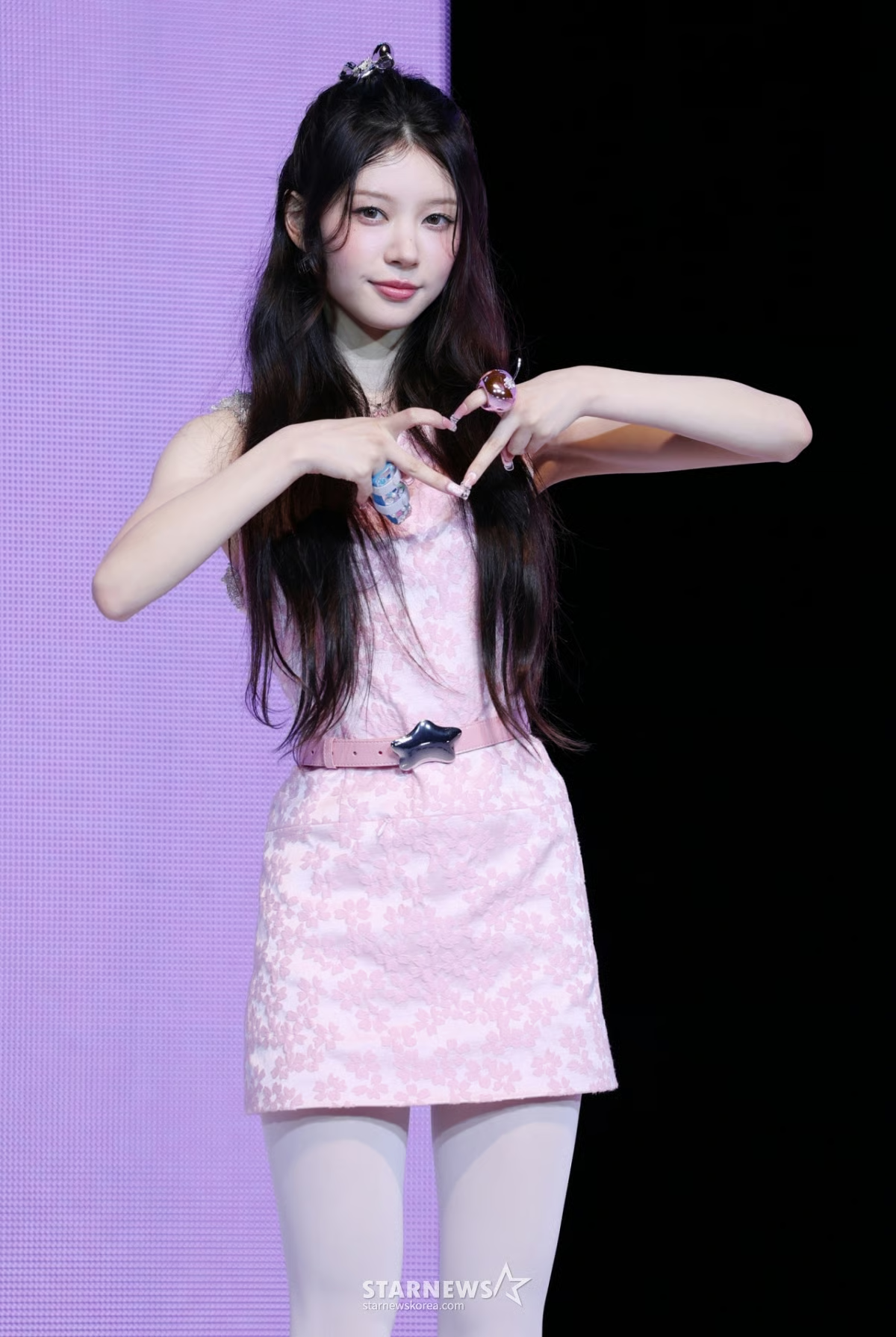
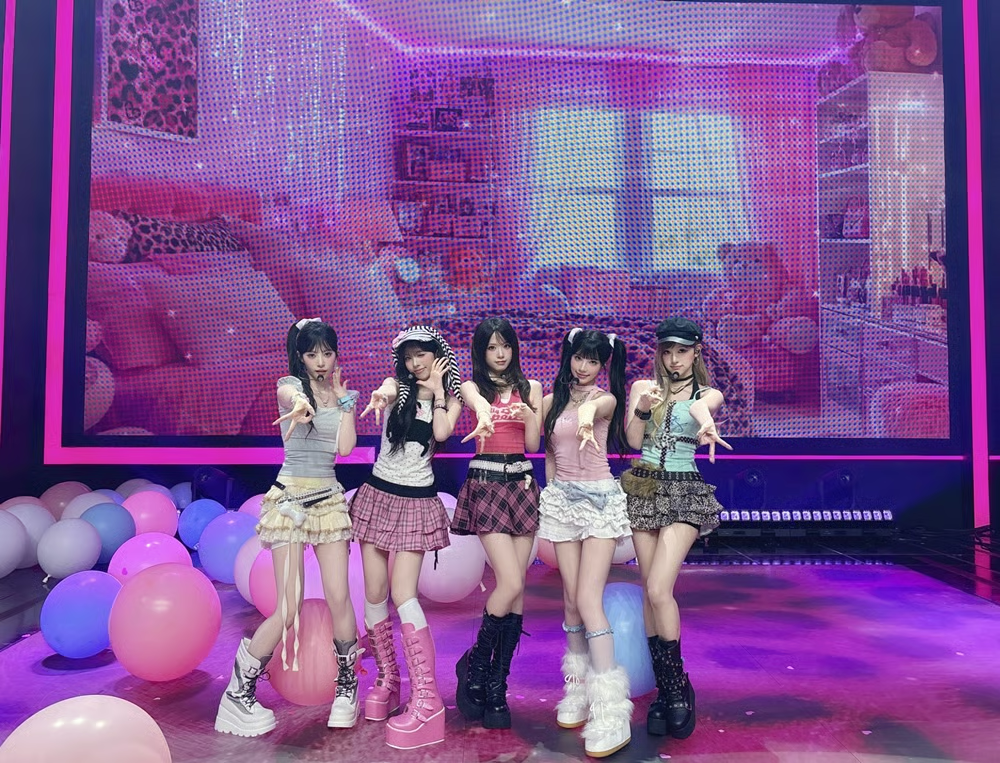
This trend parallels a broader resurgence of electronic dance music, fueled by girl groups like Le Sserafim, Illit, Katseye, and Izna with their house- and techno-inspired tracks. However, among K-pop boy groups, this movement manifests differently, drawing specific inspiration from the foundational dance-pop formulas that captivated K-pop audiences throughout the 2000s.
Prominently showcasing this musical direction are popular K-pop groups Tomorrow X Together (TXT) and BoyNextDoor.
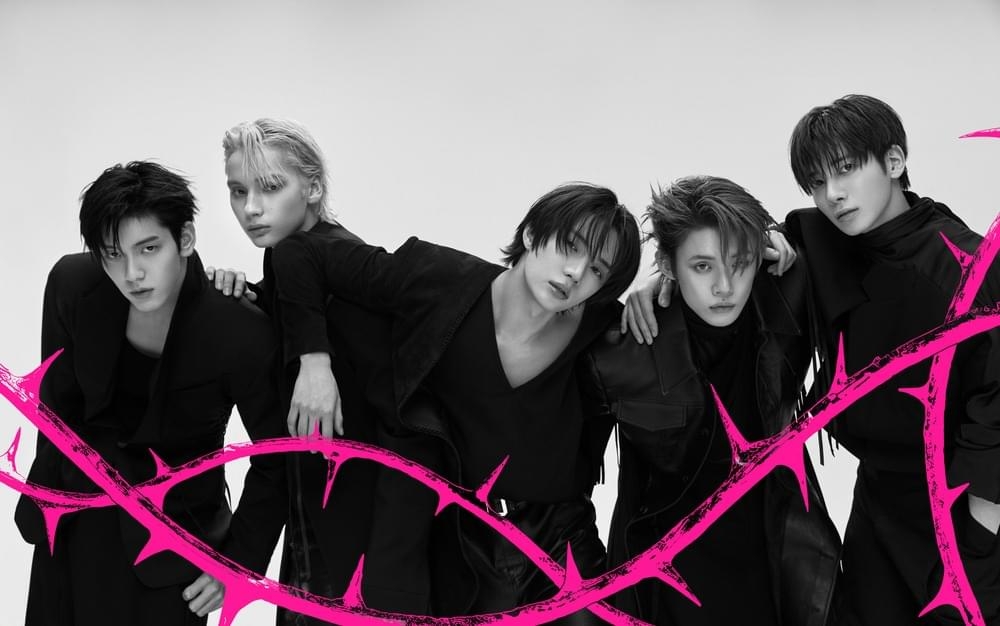
Tomorrow X Together’s lead track, “Stick With You,” from their eighth EP, released in April, distinctly echoes the emotional depth of early-2000s K-pop. Its minor-key melodies and dramatic progression offer a refreshing contrast to trendy synth-driven production, instead emphasizing intricate vocal harmonies and compelling melodic storytelling that build significant emotional momentum.
BoyNextDoor adopts a comparable musical strategy with “Viral,” the standout lead track from their debut album, “Home.”
“Viral” masterfully begins with understated vocals, progressively layering instrumentation to build into a grander arrangement. Its structure, featuring a clear verse-to-chorus progression, a prominent hook, a dramatic bridge, and a dynamic dance break, successfully merges K-pop’s earlier dance-pop traditions with a distinct contemporary sound.

BoyNextDoor’s leader, Jaehyun, confirms that this intentional musical direction was a conscious choice for the group.
“During the album’s preparation, we considered how the classic grammar of K-pop — characterized by clear narrative progression, performance-focused choreography, and songs featuring distinct emotional highs and lows — could feel uniquely refreshing when interpreted by BoyNextDoor,” Jaehyun explained during a press interview in early June.
He further elaborated, “We questioned whether audiences might be yearning for this type of music once more: tracks exceeding three minutes, incorporating dramatic structures, impactful emotional bridges, powerful high notes, and energetic dance breaks.”
These insights highlight a growing recognition among artists for the potential return to fully developed song structures, especially in an era dominated by releases optimized primarily for short-form digital platforms.
Notably, this resurgence of classic K-pop song structures is also yielding significant commercial success for these groups.
Tomorrow X Together (TXT) notably secured five music show wins for “Stick With You,” concurrently ascending to No. 2 on the prestigious Billboard 200 albums chart. Similarly, BoyNextDoor’s “Home” shattered records, surpassing 1 million first-week album sales and solidifying their status as a four-time million-selling artist.
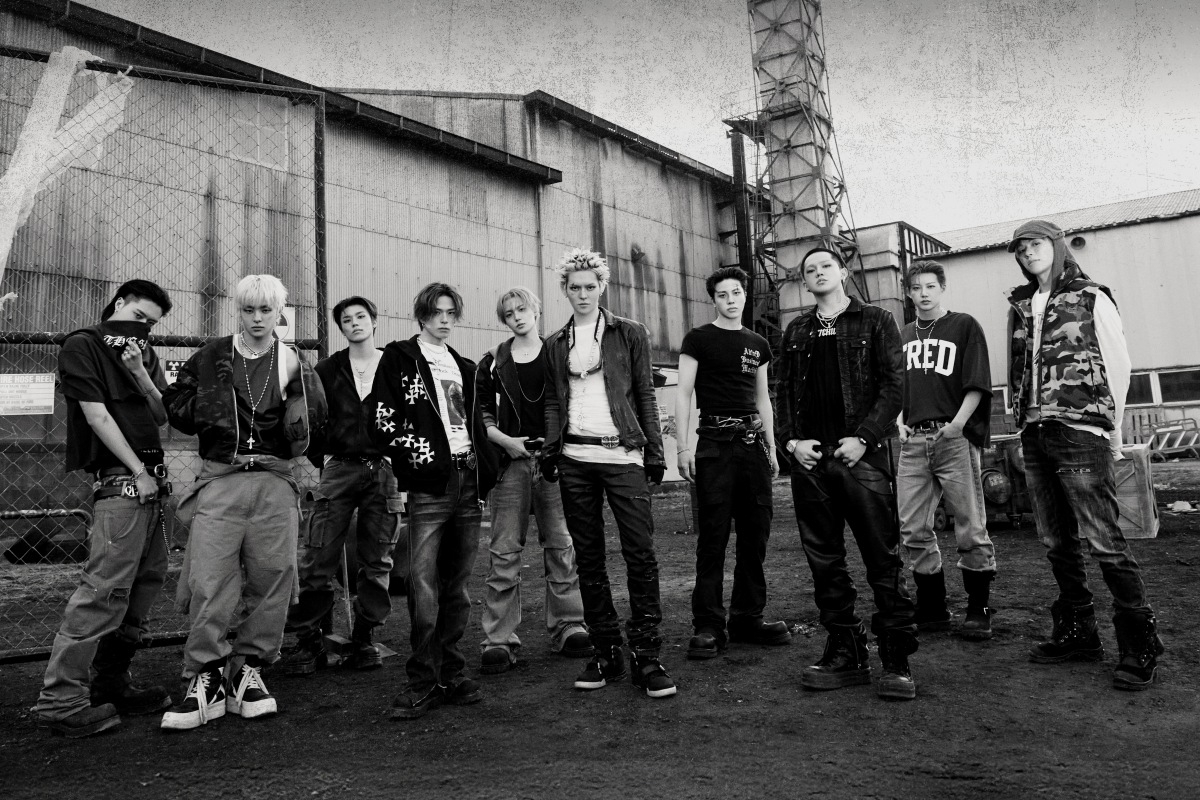
This movement towards foundational musical styles isn’t limited to dance-pop alone. YG Entertainment’s boy group Treasure recently made a comeback with their lead track “If I,” which intentionally channels earlier hip-hop foundations within the K-pop industry, distinct from current pop trends. The track, characterized by heavy beats and raw, powerful rap performances, zeroes in on the core appeal of hip-hop and quickly amassed over 100 million YouTube views within just 11 days of its release.
Music critic Lim Hee-yun further elaborated on this trend, stating, “Artists aren’t merely recreating sounds from earlier eras; instead, they are thoughtfully rebuilding familiar K-pop sounds and formulas using contemporary production techniques, evolved performance styles, and modern visual aesthetics.”
She concluded, “For younger K-pop listeners, these intricate structures and compelling storytelling can feel refreshingly distinct from prevalent contemporary trends. Meanwhile, for older audiences who experienced earlier generations of K-pop, these tracks provide a comforting sense of familiarity, expertly filtered through a sophisticated contemporary lens.”