For years, the K-pop industry’s image-building strategies heavily relied on traditional gendered archetypes. Historically, boy groups were often characterized by powerful, masculine concepts, while girl groups were typically expected to embody beauty, elegance, femininity, or cuteness. This established formula, however, is undergoing a significant evolution within the K-pop landscape.
As global audiences become increasingly receptive to gender-fluid fashion and diverse forms of self-expression, a growing number of K-pop acts are actively challenging and redefining traditional expectations surrounding gender presentation in the idol industry.
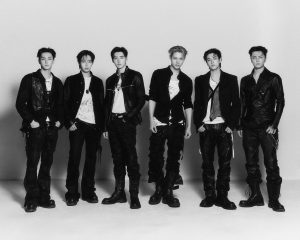
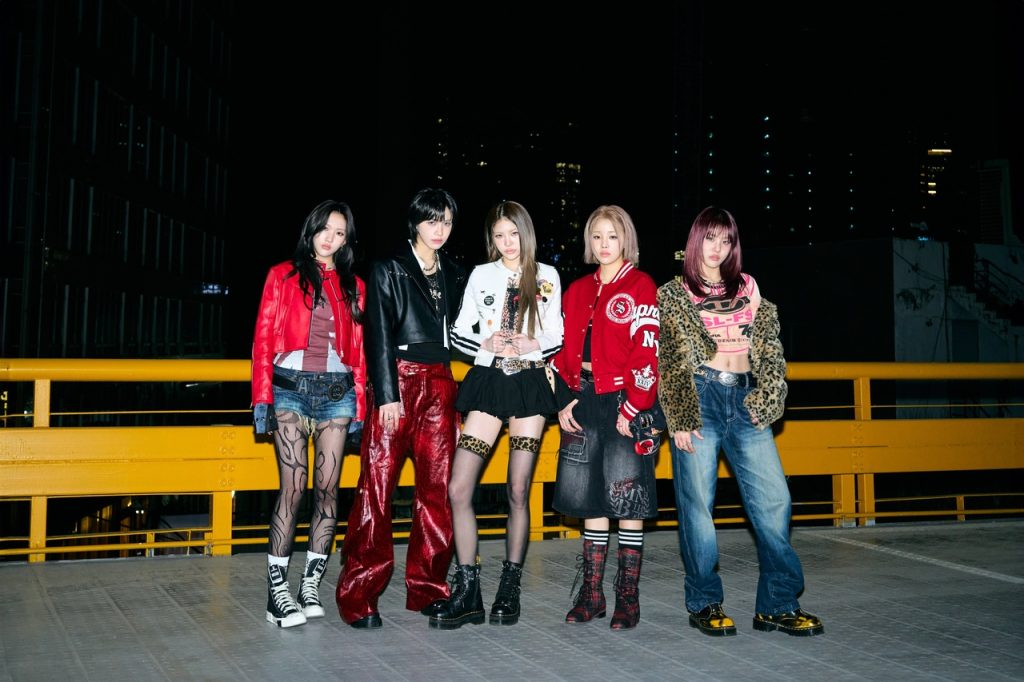
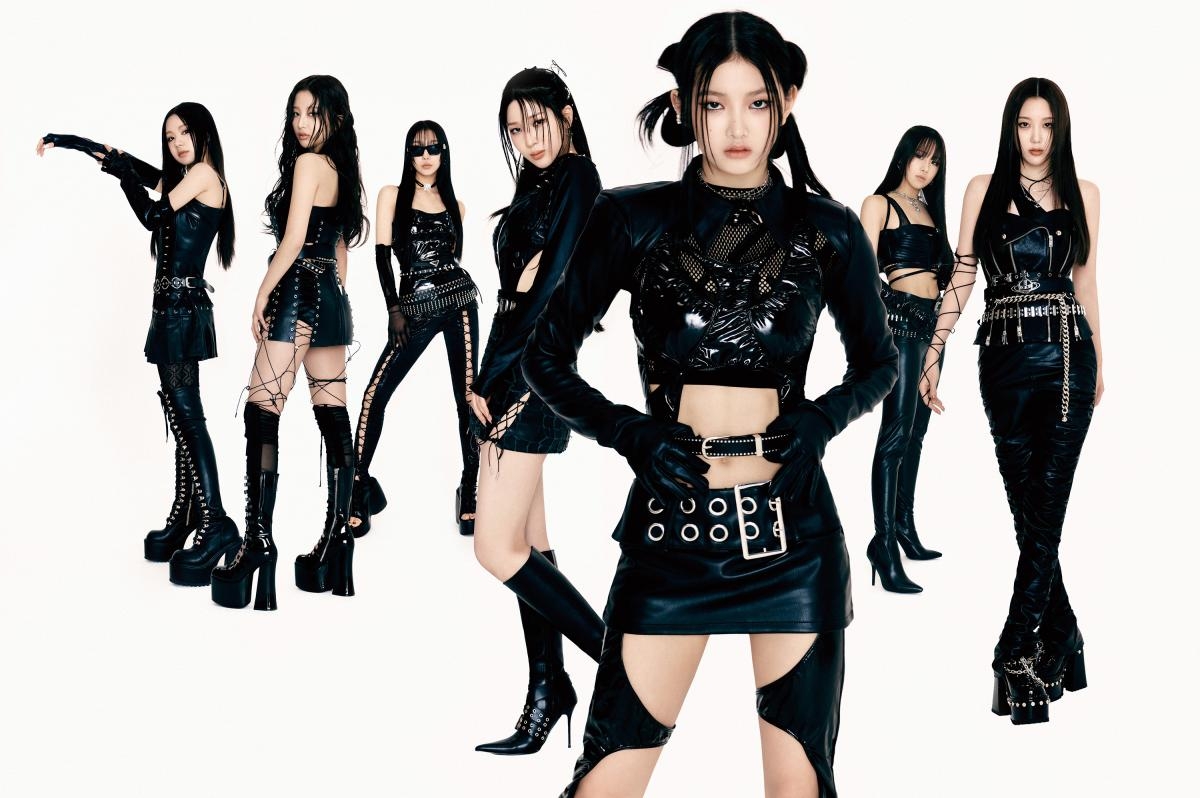
This shift is evident across the spectrum. Boy groups such as NCT Wish have achieved notable success by embracing softer, more delicate visual concepts. Concurrently, girl groups including Young Posse and Badvillain are making their mark with rap-heavy, street-inspired aesthetics, pushing against conventional notions of femininity in K-pop.
This broader expansion in K-pop allows artists to explore a wider range of visual and sonic identities, regardless of gender. Rather than strictly adhering to traditional boy group and girl group formulas, newer K-pop acts are increasingly experimenting with innovative concepts that prioritize individuality and authentic self-expression.
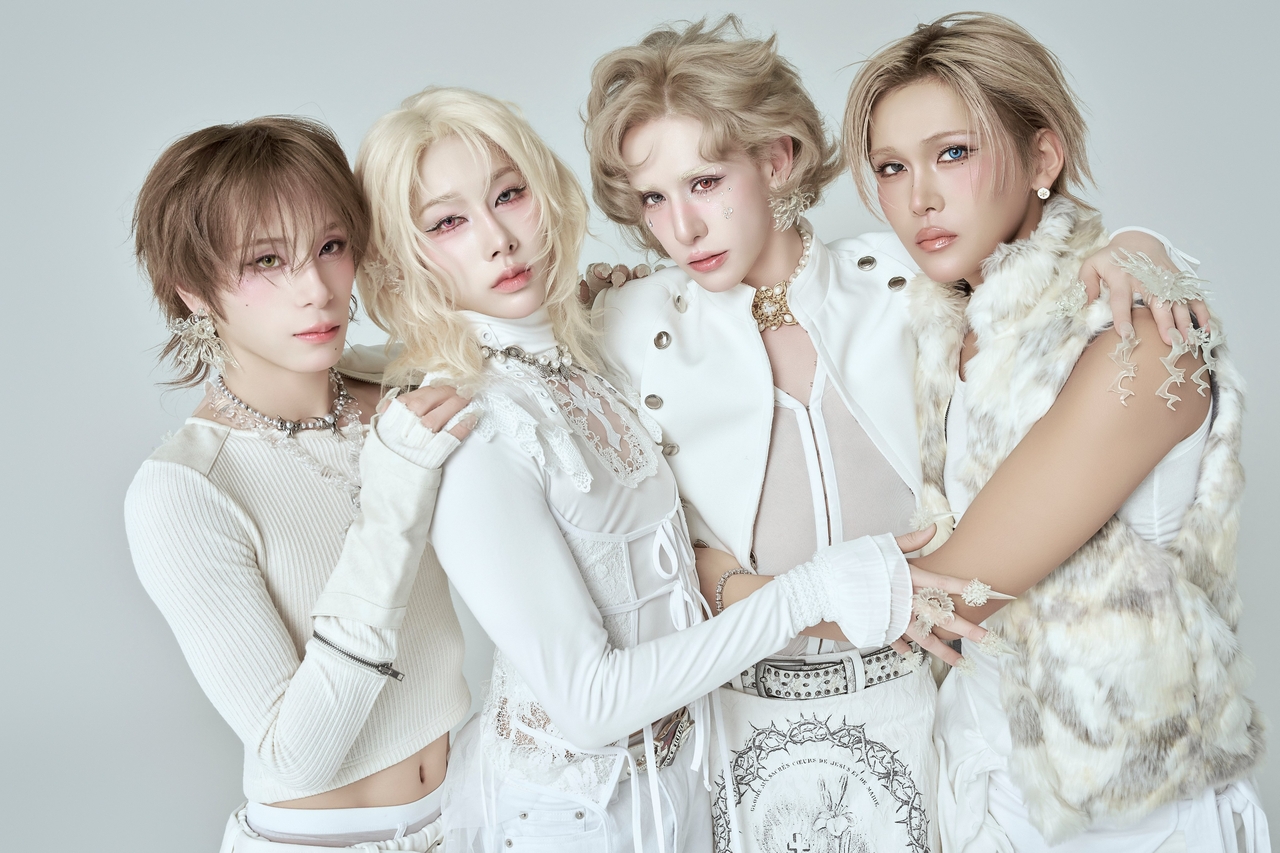
One of the most prominent examples spearheading this movement is Xlov, a boy group that has fundamentally built its identity around a concept of gender neutrality.
Debuting in January 2025, the four-member group—comprising Wumuti, Rui, Haru, and Hyun—has garnered significant attention for integrating skirts into their stage outfits and incorporating voguing-inspired choreography. These choices remain notably uncommon within the traditionally masculine framework of K-pop boy group performances, marking Xlov as a unique presence.
While individual K-pop artists have previously experimented with gender-neutral styling, Xlov stands out by positioning genderlessness as a core and permanent part of the group’s identity, rather than merely a temporary concept or trend.
According to respected culture critic Kim Heon-sik, the increasing rise of such innovative concepts reflects evolving attitudes among both K-pop artists and their dedicated audiences.
“In the past, K-pop relied heavily on clearly defined masculine and feminine images. But as the genre evolved, the industry began to realize that such defined norms placed limitations on the concepts the artists could try and experiment with,” Kim stated. “Today, audiences are generally more open to diverse forms of self-expression. Rather than focusing on whether an image appears masculine or feminine, fans are increasingly evaluating artists based on how unique and authentic they feel.”
Xlov’s debut was met with initial skepticism, with some questioning whether a boy group openly embracing a genderless concept could truly gain traction in the highly competitive domestic K-pop market. Despite these initial doubts, Xlov is steadily expanding its fandom both in Korea and internationally, successfully transforming what was once perceived as a commercial risk into one of its defining and celebrated characteristics.
The group’s remarkable momentum has been particularly visible on the global stage.
According to WM Entertainment, Xlov has accumulated approximately 7.8 million monthly listeners on YouTube Music and over 2.3 million monthly listeners on Spotify. Their recent European tour, which concluded in February, saw sold-out stops in the UK, France, and Romania. Furthermore, the group’s first-anniversary fan concert in January sold out completely within one minute of ticket sales opening, highlighting their immense popularity.
The boy group is scheduled to kick off its inaugural North American tour in New York and Los Angeles in early July, with plans to subsequently tour in Korea and Japan later that month.
Their latest EP, “I, God,” released in May, sold an impressive 220,000 copies in its first week. This represents a substantial 163 percent increase in sales compared to the group’s previous EP, “UXLXVE,” underscoring their growing commercial success.
“International listeners are generally more open to diverse forms of gender expression, which can be explained as a significant factor behind the group’s overseas success,” Kim concluded. “Whether concepts of gender neutrality will establish a lasting presence in the K-pop industry or remain a niche trend is yet to be fully seen. However, Xlov’s emergence strongly suggests that K-pop is increasingly willing to move beyond rigid formulas, actively testing new approaches to identity, performance, and audience engagement as the genre continues its dynamic evolution.”