A groundbreaking initiative is underway in Antarctica to power research facilities using green hydrogen, significantly reducing their reliance on conventional diesel-generated electricity. This pioneering project stems from a memorandum of understanding signed between Hyundai Motor Group, the Ministry of Oceans and Fisheries, and the Korea Polar Research Institute.
The core of this innovation is a green hydrogen grid, a cutting-edge renewable energy-based power system. It functions by producing hydrogen through water electrolysis, utilizing electricity generated from sustainable sources such as solar power.
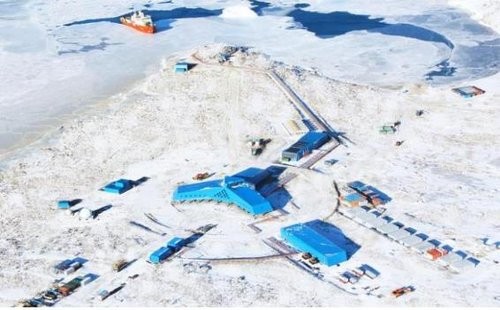
Historically, Antarctic research stations have faced unique energy challenges. Lacking connections to external power grids, these remote facilities have long depended on diesel generators. While diesel is relatively transportable and provides a stable energy supply for extended periods, its environmental impact is substantial.
Under the terms of the agreement, Hyundai Motor Group is tasked with developing a specialized green hydrogen grid tailored for the harsh Antarctic environment. This system will harness surplus solar energy to produce and store hydrogen. Crucially, during periods of limited solar power generation, this stored hydrogen will be converted back into electricity via advanced fuel cells, ensuring an uninterrupted power supply.
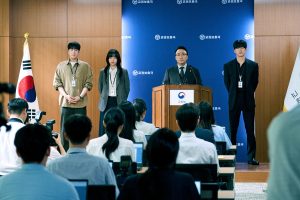
“The development of a green hydrogen grid in Antarctica marks a major first step toward the station’s transition to clean energy,” stated Sung Kim, president of Hyundai Motor Co., in a recent press release. He added, “This collaboration is particularly meaningful because it aligns with the government’s carbon neutrality goals and policy direction.”
Oceans Minister Hwang Jong-woo emphasized that this project showcases South Korea’s strong commitment to environmental protection and the sustainable utilization of Antarctica’s unique resources.
“We will continue to make every effort to earn the trust of the international community as a responsible participant in Antarctic activities.”
(END)