
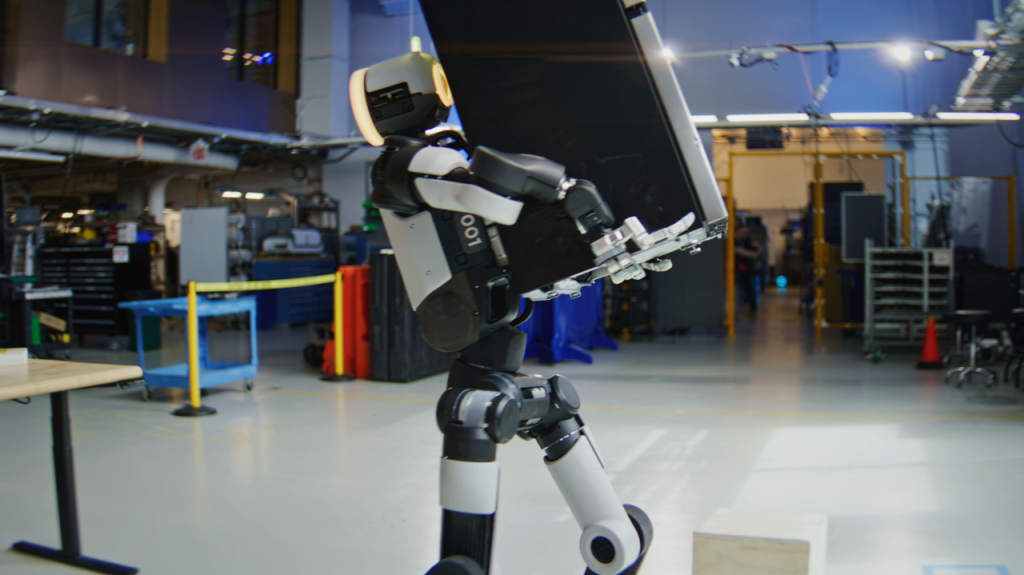
Hyundai Motor Group, a leading South Korean conglomerate, is set to revolutionize its vehicle manufacturing with the deployment of over 25,000 Atlas humanoid robots from its US robotics subsidiary, Boston Dynamics. This strategic move also includes plans for critical robot component manufacturing within the United States.
This ambitious plan was officially unveiled during an investor relations session hosted by JPMorgan Chase in Boston on Monday (local time). The high-profile event gathered key officials from six Hyundai affiliates: Hyundai Motor, Kia, Hyundai Mobis, Hyundai Glovis, Hyundai AutoEver, and Boston Dynamics, highlighting a unified vision for robotics integration.
Prominent attendees included Hyundai Motor Group Vice Chair Chang Jae-hoon, Hyundai Motor Vice President Kim Heung-soo, and Boston Dynamics interim CEO Amanda McMaster, underscoring the significance of this robotics initiative.
Initially, the group intends to deploy over 25,000 Atlas robots within Hyundai and Kia manufacturing plants. Following this internal integration, there are plans to expand the advanced humanoid robots to external sales markets.
This significant deployment represents approximately 83 percent of the 30,000 robots Hyundai aims to produce annually by 2028, showcasing the scale of their commitment.
Although a detailed timeline wasn’t provided during the investor session, Kia CEO Song Ho-sung separately disclosed at an overseas roadshow that the initial deployment of Atlas robots is slated for Hyundai Motor Group Metaplant America in Georgia in 2028, with Kia’s Georgia plant to follow in 2029. This phased rollout strategy is critical for smooth integration.
Further solidifying its robotics strategy, Hyundai also announced plans for a new US production facility dedicated to manufacturing actuators. These critical components, often referred to as the “muscles” of humanoid robots, represent approximately 60 percent of their material costs. The Hyundai Mobis-operated facility is projected to have an annual production capacity of 350,000 units, commencing operations in 2028.
Industry experts estimate that each advanced Atlas robot will necessitate the use of more than 10 actuators for optimal functionality.
Current industry estimates place Atlas production costs at approximately $130,000 to $140,000 per unit during the initial mass-production phase. However, these costs are projected to significantly decrease to around $30,000 once cumulative production surpasses 50,000 units. By strategically securing early demand through its Hyundai and Kia factories, the group aims to achieve substantial production volumes for these humanoid robots, thereby rapidly driving down manufacturing costs and enhancing market competitiveness.
Amidst these developments, market observers have speculated that Hyundai Motor Group might be preparing for a potential Initial Public Offering (IPO) of its robotics subsidiary, Boston Dynamics.
However, during a recent overseas roadshow, Kia CEO Song Ho-sung addressed and played down this speculation, stating that the company has not yet finalized a decision regarding the timing of an IPO or the pursuit of external fundraising for Boston Dynamics.
sahn


