Samsung Electronics Strike Looms: Government Intensifies Pressure for Wage Compromise Ahead of 18-Day Walkout
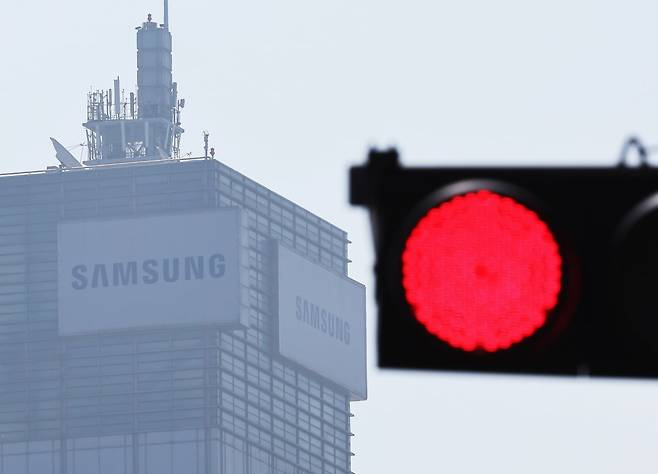
Samsung Electronics and its prominent labor union are poised for crucial, potentially final, wage negotiations this Monday. This pivotal meeting precedes an impending strike and follows a rare public apology and fervent appeal for unity from Samsung Chair Lee Jae-yong, aiming to avert industrial action at the tech giant.
Industry sources confirm that management and union representatives will engage in a second round of post-mediation discussions at the National Labor Relations Commission. These talks are critical, occurring just before the union’s planned 18-day walkout scheduled to commence this Thursday. The significance of these Samsung labor talks is underscored by the expected attendance of commission chair Park Soo-geun.
South Korean Prime Minister Kim Min-seok publicly welcomed the renewed discussions on Sunday, yet firmly reiterated the government’s readiness to invoke emergency arbitration should these vital negotiations collapse. This highlights the high stakes for Samsung and the national economy.
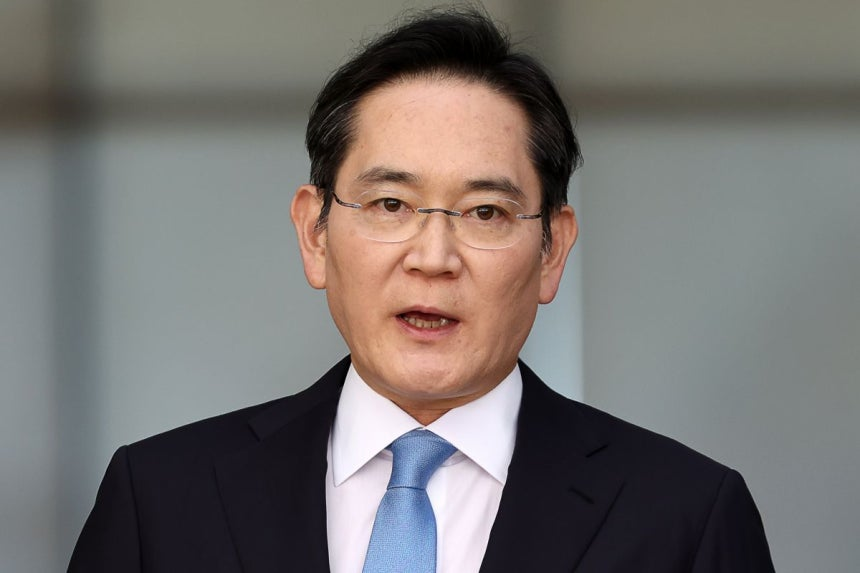
The impetus for these renewed talks stems from Samsung Chair Lee Jae-yong’s first public apology since assuming the role in October 2022. Addressing the escalating labor dispute, Lee emphasized unity on Saturday after returning from Japan, stating, “Dear union members and fellow Samsung family members, we are one body and one family. Now is the time for us to wisely come together and move in one direction.”
Lee also extended his apologies to Samsung’s global customers and the broader Korean public, acknowledging the widespread concern generated by the intensifying labor dispute at the electronics giant.
Earlier on Saturday, Labor Minister Kim Young-hoon intervened, meeting with Samsung management following prior discussions with union officials. He strongly urged both parties to sustain their dialogue amidst the ongoing wage dispute.
At the core of these critical Samsung wage negotiations is the company’s performance bonus structure, specifically whether its rules should be formally institutionalized and made more transparent.
The union is advocating for significantly greater transparency within Samsung’s OPI (Overall Performance Incentive) system. Key demands include allocating 15 percent of the operating profit to a dedicated bonus pool, and the permanent removal and codification of the current cap that limits bonuses to 50 percent of annual salary.
Projected operating profits for Samsung Electronics this year stand at 300 trillion won. Under the union’s proposed OPI system, this would generate an enormous 45 trillion won bonus pool, translating to an average payout of nearly 600 million won per employee within the crucial semiconductor division.
In response, Samsung management has put forth a counter-proposal. It suggests maintaining the existing OPI framework while introducing a new, uncapped special bonus. This bonus, equivalent to 10 percent of operating profit, would be activated if Samsung successfully reclaims the industry’s No. 1 market position. Such a bonus could yield nearly 400 million won per employee in the critical chip division, a stark contrast to last year’s average OPI payouts of approximately 50 million won.
Despite the significant differences, industry observers suggest that a path for compromise remains. The union has indicated a willingness to accept a reduced profit-sharing ratio if Samsung agrees to expand its stock-based OPI program, which permits employees to receive up to half of their bonus in company shares.
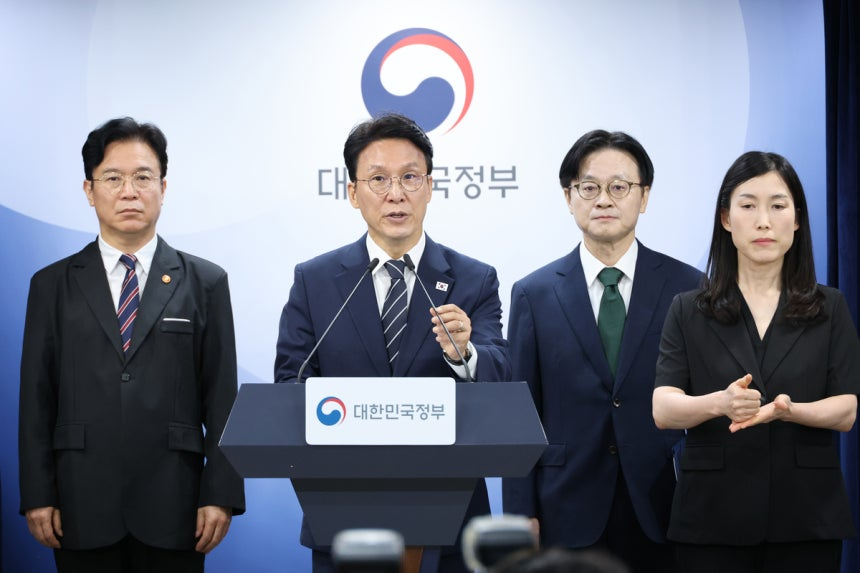
As the South Korean government reiterates its readiness to employ “all available measures,” including invoking emergency arbitration, to avert a strike potentially damaging to the national economy, major labor groups have voiced sharp opposition.
Under South Korean labor law, emergency arbitration grants the government the authority to suspend strikes or other collective labor actions if such industrial action is deemed to pose a serious threat to the national economy or public welfare. Crucially, this governmental measure can only be invoked once a strike has already commenced.
The Federation of Korean Trade Unions (FKTU) on Sunday sharply criticized attempts to label Samsung’s powerful chip union as an “aristocratic” labor group. The FKTU argued that invoking emergency arbitration based on potentially inflated damage estimates would only exacerbate existing tensions and prolong the Samsung labor dispute.
“This critical dispute should not be narrowly reduced to accusations of excessive demands by highly paid workers,” the FKTU stated. “Instead, it must ignite a broader discussion about equitable corporate profit sharing among workers, suppliers, and society at large.”
Similarly, the Korean Confederation of Trade Unions (KCTU) issued a strong warning against government intervention. They contend that workers’ fundamental right to strike should not be curtailed merely because an industry holds strategic importance for the nation.
“Such governmental action could establish a dangerous precedent for state intervention in lawful strikes across other vital strategic industries,” the KCTU cautioned, specifically citing autos, shipbuilding, steel, and batteries as potential targets.