
Samsung Electronics recently highlighted its commitment to the rapidly expanding Korean running market, detailing how the Galaxy Watch and Samsung Health platform empower runners through advanced training and recovery support. This strategic focus underscores Samsung’s long-term vision for digital health solutions.
Evidencing robust demand, the Korean running market is experiencing significant growth. The Ministry of Culture, Sports and Tourism’s annual survey revealed a nearly 60 percent surge in running participation among Koreans aged 10 and above, rising from 4.8 percent to 7.7 percent by 2025. Concurrently, smartwatch adoption among Korean adults has also skyrocketed, reaching 33 percent in 2024-2025, a substantial increase from just 12 percent in 2020, as reported by Gallup Korea.
Globally, Samsung Health boasts an impressive user base, with approximately 77 million monthly active users and 46 million weekly active users. Running stands out as the most frequently logged workout category on the platform, according to Choi Joon-il, Vice President of the Mobile eXperience Division’s Digital Health Team.
Notably, Korea’s engagement with running on Samsung Health surpasses the global average.
Samsung distinguishes its offering through a holistic, integrated approach to health, rather than focusing on isolated features. Choi explained, “We don’t look at running on its own. Running sits inside comprehensive health management, alongside sleep, nutrition, mental health, and cardiac signals,” underscoring the platform’s complete wellness ecosystem.
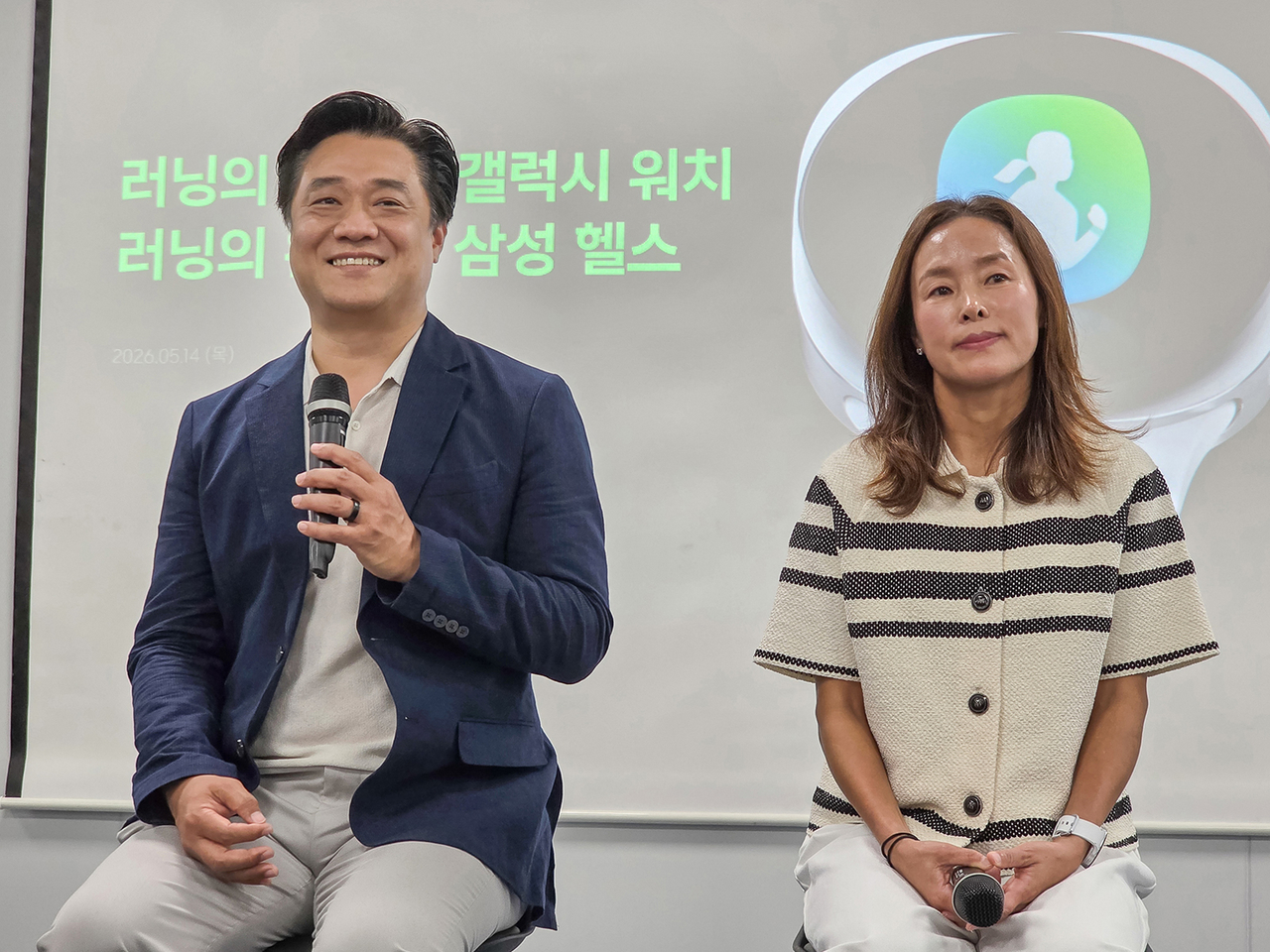
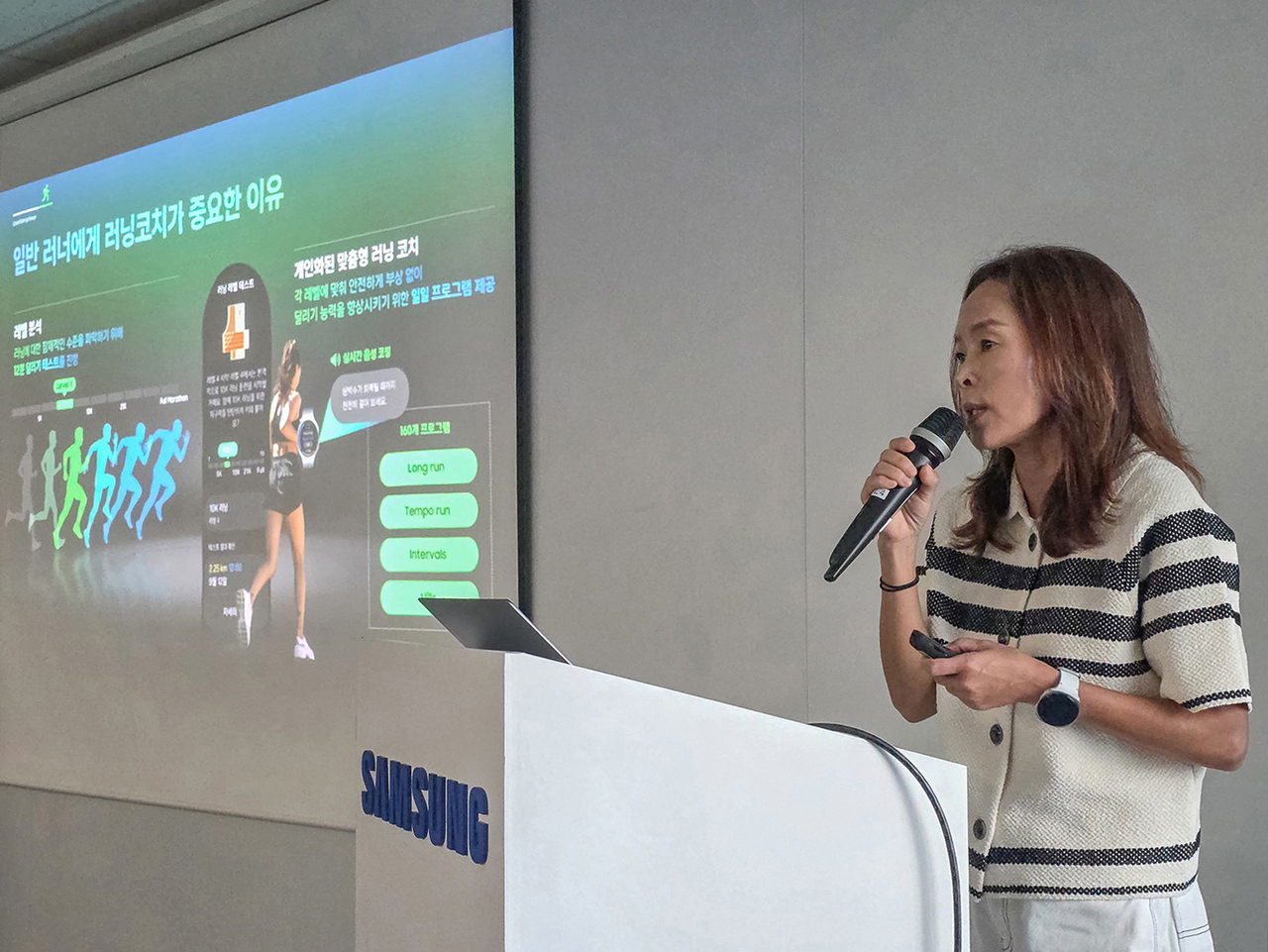
A prime example of this integrated strategy is the Running Coach program, introduced in 2025. This innovative feature begins with a 12-minute assessment, evaluating a user’s fitness level on a scale of 1-10, calibrated against distances from 5K to a full marathon. Based on this, users are then precisely matched with one of approximately 160 tailored training programs, encompassing diverse running styles such as long runs, tempo runs, intervals, and hill workouts.
Developed with the expertise of former national marathoner Kwon Eun-joo, who famously held the Korean women’s marathon record for 21 years, alongside researchers from Dongguk University, the Running Coach program features a unique design. It prioritizes heart-rate-based pacing over rigid time targets, incorporating real-time voice guidance to effectively prevent over-pacing and optimize performance.
Kwon, who recently completed the London Marathon in her quest to conquer all seven World Marathon Majors, shared her personal experience, highlighting the Galaxy Watch’s invaluable role in monitoring recovery signals.
She recounted, “After London, my sleep score came back at 53, and my heart rate hit 190 right out of the gate on a 7K run the next morning.” The Galaxy Watch promptly advised her to reduce intensity, underscoring the crucial, personalized guidance it provides to everyday runners for safe and effective training.
In a highly competitive global smartwatch market, while overall shipments saw a 4 percent year-on-year growth in 2025, Samsung’s shipments decreased by 12 percent, resulting in its market share declining from 9 percent to 7 percent. This shift saw competitors like Apple, Huawei, and Xiaomi increase their foothold, as reported by Counterpoint Research. Significantly, the $200-$400 smartwatch segment, where the Galaxy Watch is a key contender, experienced a substantial 48 percent surge, driven by consumers upgrading specifically for advanced health and fitness features.
mjh


