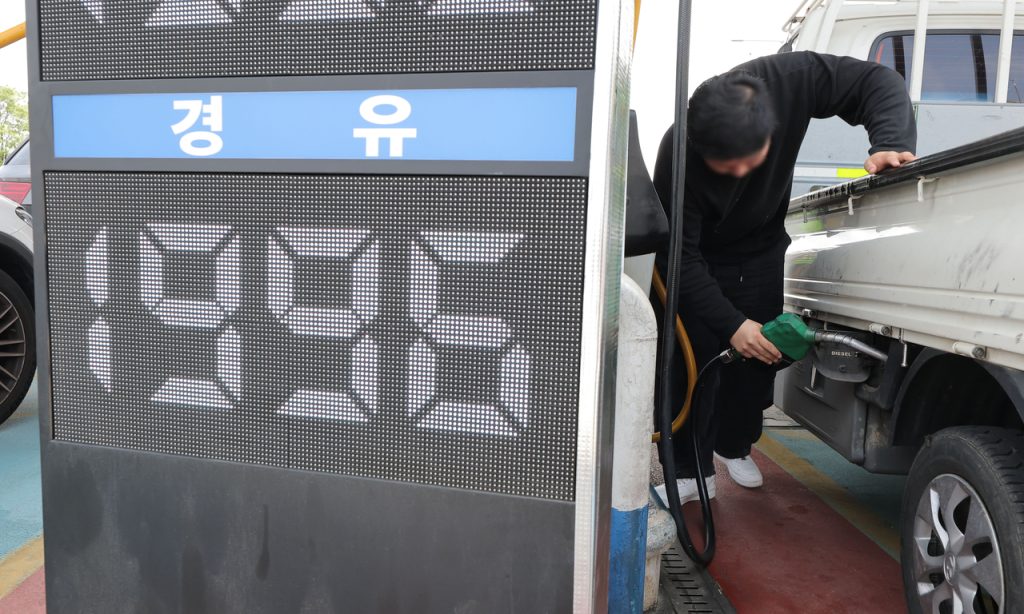
Soaring global oil prices, primarily driven by the prolonged conflict in the Middle East, are significantly impacting operational costs for gas-powered vehicles across Korea. This economic pressure is simultaneously fueling a surge in demand for more cost-efficient electric vehicles (EVs) nationwide.
Data released by the Korea Statistical Information Service on Thursday reveals a sharp increase in personal transport equipment operating costs. The index, which tracks expenses for vehicle maintenance and usage, jumped 16.3 percent in April compared to the previous year. This marks the most substantial rise since July 2022, when costs escalated by 26.0 percent in the wake of Russia’s invasion of Ukraine, underscoring the vulnerability of the transportation sector to international energy market fluctuations.
A closer look at the categories shows that spending on fuel and lubricants climbed 22.7 percent year-on-year, the steepest increase observed since July 2022’s 33.0 percent surge. Notably, diesel prices escalated by 30.8 percent from a year ago, while gasoline prices rose by 21.1 percent. In contrast, automotive LPG prices saw a modest 3.5 percent decrease, partly attributed to the delayed reflection of international contract prices in the domestic market.
Beyond fuel, vehicle maintenance and repair expenses also contributed to rising operational costs, increasing by 4.5 percent—the highest since November 2023. Specifically, engine oil replacement costs saw a significant 11.6 percent jump, the steepest rise since June 2009, driven by higher crude oil prices and escalating labor costs.
Despite previous challenges from high inflation and broader economic uncertainties that slowed market growth, consumer demand for electric vehicles is now experiencing a strong rebound, signaling a shift in consumer preferences towards sustainable and potentially more economical transport options.
According to statistics from the Environment Ministry, the cumulative number of registered battery-powered vehicles in Korea officially surpassed the 1 million mark as of April 15, a significant milestone for the nation’s electric mobility transition.
The pace of EV adoption is accelerating rapidly. New EV registrations this year exceeded 100,000 units by April 14, achieving this landmark nearly three months earlier than last year, when the same figure was reached in the second week of July. As of the end of March, EVs constituted 20.1 percent of all new vehicle registrations, a notable increase from 13.0 percent in the previous year, highlighting their growing market dominance.
The Korean electric vehicle market is witnessing an intensifying price war, as major local player Hyundai Motor Group, which has traditionally held the largest market share, faces increasing competitive pressure from formidable foreign rivals like Tesla and BYD.
Data from the Korea Automobile Importers & Distributors Association reveals Tesla’s remarkable performance in April, with 13,190 units sold. This achievement allowed Tesla to surpass Kia, becoming the bestselling brand in Korea’s passenger EV market for the first time in terms of monthly sales. This figure also represents the highest monthly sales ever recorded by any imported car brand in the country.
Meanwhile, BYD, which strategically entered the Korean market just last year, has rapidly expanded its footprint by leveraging aggressive price competitiveness. The company reported sales of 2,023 vehicles in Korea last month, securing the fourth position in monthly sales rankings.
BYD’s cumulative sales in Korea have already exceeded 10,000 units as of last month, a feat accomplished just 11 months after delivering its first vehicle to local customers. This remarkable speed sets a new record for the fastest cumulative sales growth ever achieved by an imported car brand in the nation’s burgeoning EV market.