By Lee Minji
Dive into the profound history of artistic dialogue at “Art Between Korea and Japan Since 1945,” a landmark exhibition co-presented by the National Museum of Modern and Contemporary Art (MMCA) and the Yokohama Museum of Art. This significant showcase meticulously chronicles 80 years of cultural exchange and collaboration through the visionary works of renowned Korean and Japanese artists.
Opening its doors at the MMCA’s Gwacheon branch this Thursday, the exhibition proudly features an impressive collection of approximately 200 artworks by 43 influential artists and creative teams. Visitors will encounter masterpieces from iconic South Korean figures such as Paik Nam-june, Lee Ufan, and Lee Bul, alongside celebrated Japanese artists including Jiro Takamatsu, Takashi Murakami, and Koki Tanaka. This unprecedented gathering offers a unique perspective on post-war contemporary art in both nations.
Structured across five compelling chapters, the “Art Between Korea and Japan Since 1945” exhibition embarks on its journey by honoring the resilience of Zainichi Koreans. These ethnic Korean residents, who remained in Japan post-war, often faced immense challenges integrating into society. A poignant example is Cho Yang-gyu’s 1957 painting, “Sealed Warehouse,” which offers a vivid, realistic depiction of the struggles inherent in their daily lives.
The exhibition further shines a spotlight on the revolutionary works of Paik Nam-june, globally recognized as the “father of video art.” It explores his dynamic artistic collaborations and profound exchanges with Japanese artists, notably Shigeko Kubota, his lifelong partner and creative confidante, and Shuya Abe. These interactions reveal a rich tapestry of cross-cultural artistic development.
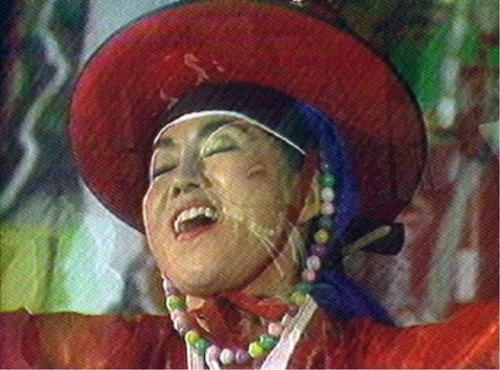
A central highlight and powerful statement within this collection is Paik Nam-june’s groundbreaking 1986 piece, “Bye Bye Kipling.” This ambitious satellite project ingeniously linked Seoul, Tokyo, and New York, broadcasting live cultural events simultaneously across these major cities. “Bye Bye Kipling” serves as a direct artistic retort to Rudyard Kipling’s famous assertion, “East is East and West is West and never the twain shall meet,” powerfully demonstrating the interconnectedness of global cultures through art.

The exhibition further meticulously chronicles the evolution of these artistic exchanges, particularly how they gained a more institutionalized structure following the normalization of diplomatic ties between Korea and Japan in 1965. This period saw the cultural dialogue expand significantly, moving beyond the capital cities of Seoul and Tokyo to embrace vibrant art scenes in regions like Daegu and Busan in South Korea, and Kyoto and Sapporo in Japan, fostering a wider network of contemporary art collaboration.
Through powerful visual narratives, the showcase illustrates how artists from both nations have forged a profound sense of solidarity, often in response to shared experiences of hardship and suffering. Themes explored include the discrimination faced by Koreans in Japan and the aftermath of the devastating 2011 Great East Japan Earthquake. These poignant artistic dialogues underscore how such exchanges continuously enrich and broaden the scope of their respective artistic journeys in deeply multifaceted ways.
A compelling work exemplifying this depth is Koki Tanaka’s 2018 documentary, “Vulnerable Histories (A Road Movie).” This impactful project revisits significant historical events, delving into complex themes of identity and xenophobia, with a particular focus on the intricate connections between Zainichi Koreans and ethnic Japanese communities. It’s a powerful exploration of shared pasts and ongoing relationships.
Notably, the Korean title of the exhibition incorporates the phrase “road movie.” This genre, characterized by a protagonist’s transformative journey through a series of events while traveling, symbolically references the dynamic 80-year artistic voyage that both Korea and Japan have collectively undertaken, as highlighted by the MMCA.
MMCA Director Kim Sung-hee emphasized the exhibition’s significance, stating, “This exhibition provides a crucial opportunity to revisit pivotal historical moments shared by both countries and to appreciate the enduring traces of artistic exchanges that have emerged from them. My hope is that this showcase will enable everyone to gain a fresh understanding of the profound significance and immense potential of contemporary art in both Korea and Japan.”
Don’t miss “Art Between Korea and Japan Since 1945,” running until September 27th at MMCA Gwacheon. This acclaimed exhibition made its successful debut in Japan last year, and now invites a Korean audience to explore this vital cross-cultural dialogue.