
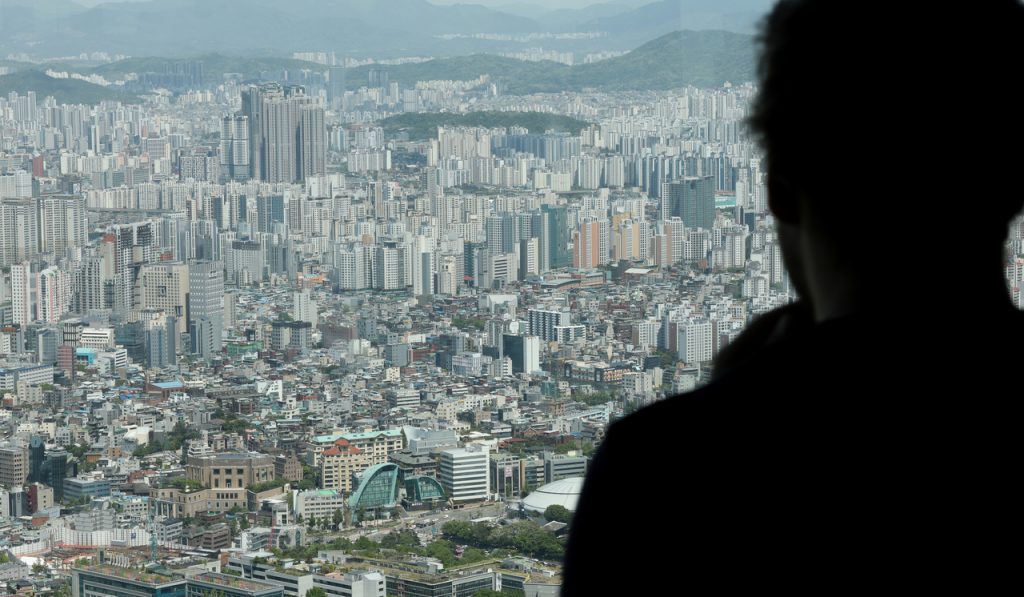
Heavier levy returns after four-year suspension as Korea tightens housing curbs
South Korea has reimposed a significantly heavier capital gains tax on multiple-home owners, effective Sunday. This move is designed to curb soaring housing prices and will substantially increase the tax burden on property sales within designated regulated areas.
The four-year suspension of this augmented property tax concluded Saturday, as initially scheduled. Consequently, the additional levy is now reinstated for individuals owning two or more homes who sell properties located in South Korea’s real estate regulated zones.
This critical measure introduces a surtax on top of the existing basic capital gains tax rates, which range from 6 percent to 45 percent. Specifically, owners of two homes will incur an additional 20 percentage points on their capital gains, whereas those possessing three or more homes will face an extra 30 percentage points.
Factoring in the 10 percent local income tax, the maximum effective capital gains tax rate for owners of three or more properties could escalate to approximately 82.5 percent. Industry estimates indicate that for these multiple-home owners, their overall tax burden might more than double, varying significantly with the magnitude of their capital gains.
The South Korean government had initially suspended this heavier property tax in May 2022. The aim was to stimulate sluggish property transactions and alleviate a shortage of available listings in the housing market. This waiver was subsequently extended on multiple occasions before its planned expiration this month.
To facilitate a smoother transition back to the stricter taxation, the government has implemented specific exceptions for homeowners who had firm plans to sell their properties. Sellers who successfully completed their property transfers by Saturday are exempt from this new surtax. Furthermore, those who had already applied for land transaction approval may still avoid the additional levy, provided they finalize their sales within a government-specified timeframe.
In line with the comprehensive Oct. 15 housing measures introduced last year, property transactions in 21 Seoul districts and 12 areas within Gyeonggi Province, which were newly designated as regulated zones, must now be finalized within six months of the contract signing date. For properties located in Seoul’s highly sought-after and pricier districts — Gangnam, Seocho, Songpa, and Yongsan — an even tighter deadline of four months from the contract date applies.
jwc


