Samsung Electronics Braces for Historic Strike as Wage Negotiations Stall
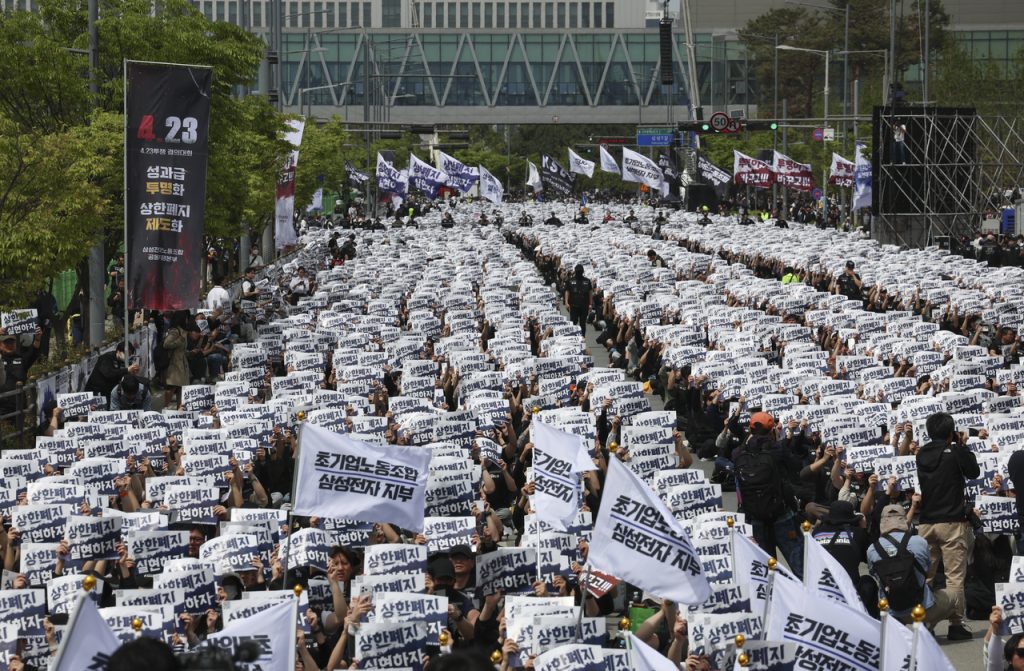
Samsung Electronics confronts the imminent threat of its most significant labor strike to date. As wage negotiations remain stalled, labor authorities are actively intervening to facilitate renewed talks between the company’s management and its union, aiming to avert a massive walkout planned for later this month.
Industry sources confirm that Kim Do-hyung, the Gyeonggi branch chief of the Ministry of Employment and Labor, responsible for overseeing Samsung Electronics, is scheduled to meet with Choi Seung-ho, head of the Samsung Electronics Labor Union — the tech giant’s largest union — later today. This urgent meeting underscores efforts to resolve the escalating labor dispute.
This critical meeting takes place as the union has officially announced plans for a full-scale strike on May 21st. This impending action significantly heightens pressure on both Samsung management and the union to resume wage talks and reach an agreement before the dispute escalates into a historic walkout.
Further highlighting the gravity of the situation, the National Labor Relations Commission (NLRC), tasked with mediating labor disputes, has approached both Samsung Electronics and its labor union regarding their willingness to enter a post-mediation process.
Post-mediation provides a pathway for resuming negotiations after formal mediation concludes, requiring mutual consent from both Samsung’s labor union and management. In this capacity, the NLRC would serve as a crucial mediator, facilitating ongoing discussions between the parties.
Formal mediation regarding Samsung Electronics’ performance-based bonus system ceased in March. However, should both sides agree to post-mediation, the vital wage negotiations could potentially recommence under the commission’s guidance, offering a glimmer of hope for resolution.
This isn’t Samsung Electronics’ first encounter with such a complex labor negotiation process.
In July 2024, when the Samsung union initiated its inaugural strike, the National Labor Relations Commission also facilitated post-mediation between labor and management. Despite these efforts, that process ultimately concluded without a definitive agreement.
Subsequently, the parties independently resumed direct negotiations, eventually culminating in a tentative wage agreement.
With the Samsung labor dispute now approaching a full-scale strike, its implications are broadening, acquiring significant economic weight and increasing pressure on the South Korean government to assume a more proactive role.
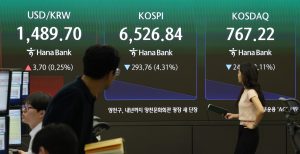
The government’s heightened involvement stems from growing concerns that an extended strike at Samsung Electronics, a global technology leader, could severely impact Korea’s national economy and disrupt critical industrial supply chains worldwide.
During a senior secretaries’ meeting on April 30, President Lee Jae Myung commented, “Should certain organized workers pursue excessive or unreasonable demands solely for self-protection, inviting public criticism, it would ultimately harm not only the specific union involved but also the broader workforce.”
Although President Lee did not explicitly name Samsung Electronics, his remarks were widely interpreted as directed toward the company’s union, particularly as public criticism surrounding the impending strike has intensified.
Echoing this sentiment, Labor Minister Kim Young-hoon also urged dialogue on Thursday during a nationwide gathering of regional labor office chiefs, convened to review pressing labor relations issues.
Minister Kim specifically appealed, “I strongly urge Samsung Electronics’ labor and management to swiftly engage in sincere and constructive dialogue.”
yeeun