South Korea witnessed a significant surge in producer prices in March, marking the fastest increase in approximately four years. This upward trend was primarily fueled by escalating global oil costs, directly impacting petroleum and chemical product prices, according to data released Wednesday by the central bank.
The preliminary figures from the Bank of Korea revealed that the producer price index (PPI), a critical indicator for forecasting future consumer inflation, climbed 1.6 percent month-on-month to reach 125.24 last month.
This substantial rise represents the sharpest monthly increase since April 2022, when the index also saw a 1.6 percent climb, thereby extending its consistent upward trend observed since September.
On an annual basis, South Korea’s producer prices surged by 4.1 percent in March, marking the quickest year-on-year growth rate recorded since February 2023.
The trajectory of producer prices is a vital economic indicator, offering crucial insights into prospective inflation trends and directly influencing the cost of goods and services that businesses will pass on to consumers in the coming months.
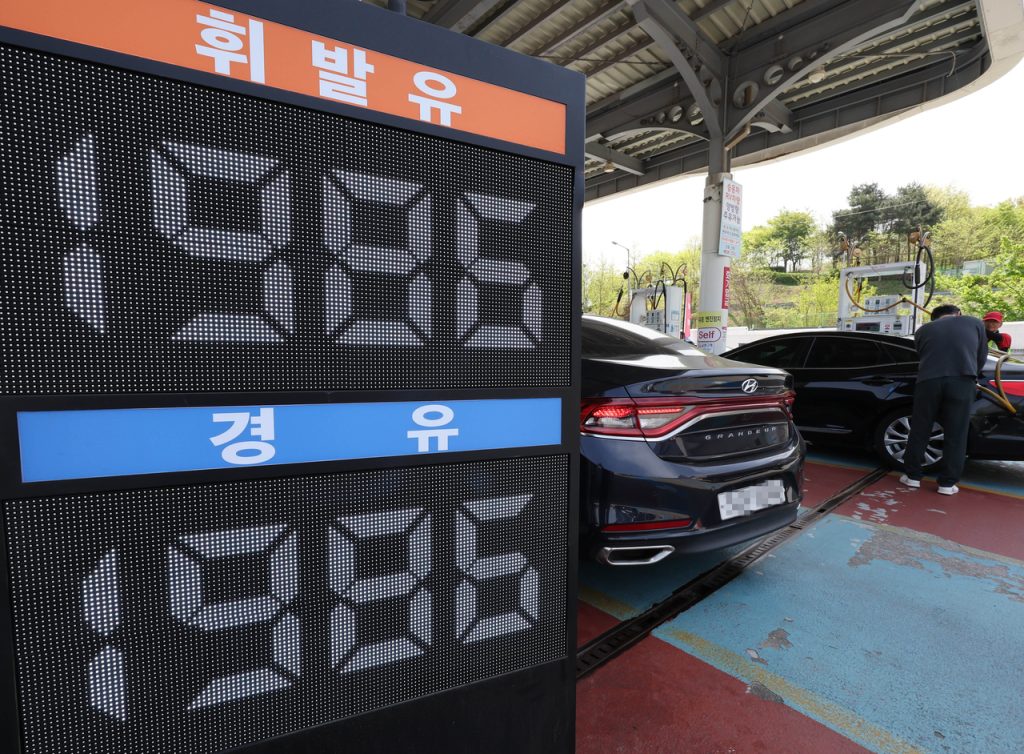
The overall increase was primarily propelled by a notable 3.5 percent month-on-month jump in industrial goods prices during March. This segment saw significant increases, including a staggering 31.9 percent surge in coal and petroleum products and a substantial 6.7 percent rise in chemical products.
Conversely, not all sectors experienced price hikes; agricultural, livestock, and fisheries products actually registered a 3.3 percent decline month-on-month. Meanwhile, service sector prices remained stable, showing no change during the period.
Furthermore, the domestic supply price index, a comprehensive measure encompassing both producer and import prices, also saw a considerable 3.7 percent month-on-month increase in March, according to the latest figures.